

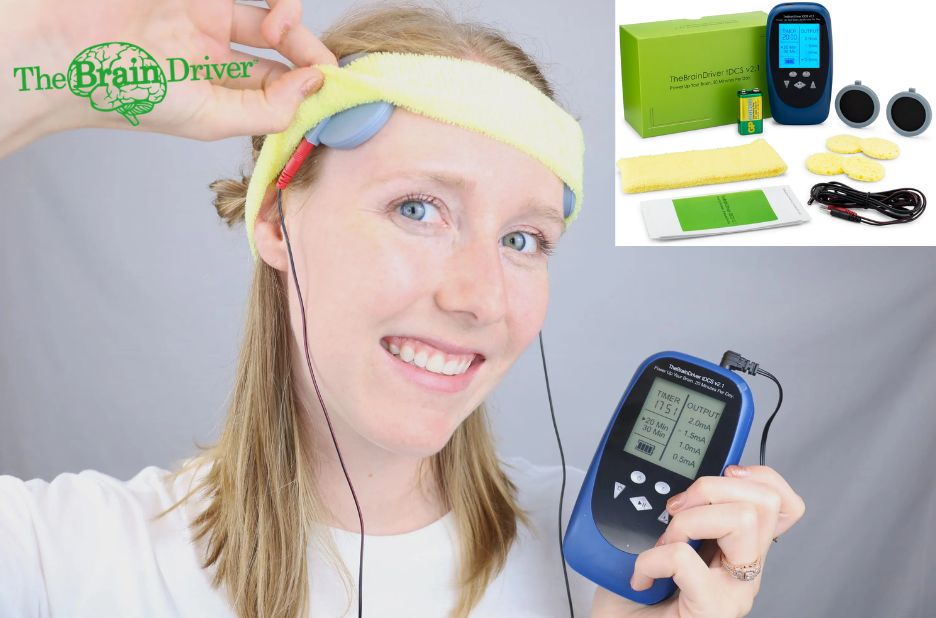
What brain based care involves
Brain-based Chiropractic Therapy focuses on how neural pathways influence musculoskeletal function. Practitioners look for connections between brain signals and movement patterns, aiming to restore harmony between the nervous system and physical health. This approach considers stress, sleep, and proprioception as key factors in Brain-based Chiropractic Therapy recovery, guiding tailored adjustments and education for patients. By emphasising neural mechanisms, therapists seek durable improvements rather than short term fixes, supporting long lasting changes in posture, balance and pain perception through precise, evidence informed strategies.
Core principles for safe practice
Central to this field are safety, patient-centred goals, and clear communication about expected outcomes. Clinicians assess baseline neural response, then structure gentle, progressive interventions to avoid overload. Reassessment is integral, ensuring plans adapt to evolving Brain-based Chiropractic Exercises brain body interactions. The emphasis on function over anatomy helps patients reconnect with meaningful tasks, from basic mobility to complex activities, while keeping manipulation within conservative, well documented guidelines.
Brain based Chiropractic Therapy techniques
Therapeutic approaches blend manual adjustments with cognitive, visual and sensory integration exercises. Practitioners may employ targeted mobilisation, soft tissue work and neuromuscular retraining to influence brain maps that control movement. Patients learn strategies to regulate arousal, optimise attention and reduce fear avoidance, which supports better engagement with therapy and more consistent progress across sessions.
Integrating lifestyle factors and outcomes
Successful programmes acknowledge daily routines, nutrition, sleep quality and stress management as essential components. Practitioners coach patients to embed brain friendly habits in everyday life, enhancing learning and retention of new movement patterns. Outcome measures extend beyond pain relief to include functional abilities, balance, reaction times and overall quality of life, reflecting a holistic approach to wellbeing.
Conclusion
Brain-based Chiropractic Therapy offers a neuro centred path to recovery that values gradual, functional gains and patient education. Practitioners tailor plans to neural responses, aligning manual care with cognitive strategies for durable change. For those seeking practical, science informed support, exploring Brain-based Chiropractic Exercises may provide concrete routes to improve movement control and daily comfort. Thebraindriver