

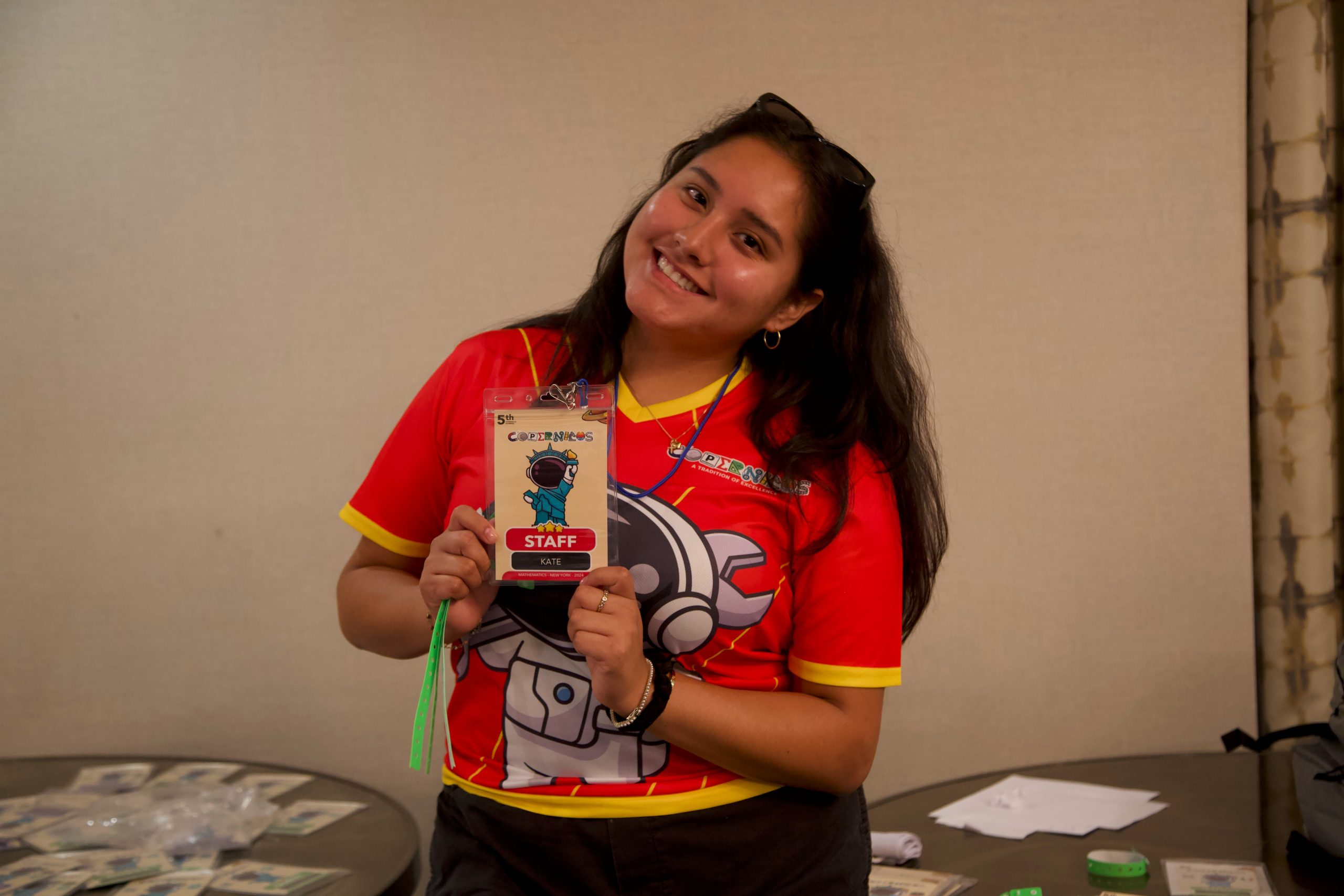
Overview of the competition
The international mathematics science olympiad stands as a beacon for curious students who seek to apply theory to real world problems. Participants explore a range of topics across maths and science, pushing their analytical thinking and problem solving to new levels. The structure emphasizes independent reasoning, collaborative discussion, and international mathematics science olympiad rigorous testing under time constraints. Teachers and mentors play a crucial role in guiding learners toward disciplined study habits, effective note taking, and clear communication of ideas. Preparing well means balancing practice with thoughtful review of concepts that underpin advanced reasoning.
Preparation strategies for learners
Effective preparation focuses on consistent practice, fresh problem sets, and reflective learning. Start with a strong foundation in core topics, then incrementally tackle more challenging puzzles that require creative approaches. Track mistakes carefully to identify recurring gaps and adjust study plans accordingly. Time management during practice tests is essential, as is learning to articulate solutions aloud or in writing. Regular feedback from coaches helps align effort with the demands of high level competitions and builds confidence under pressure.
Resources and community support
Participants benefit from a mix of online courses, offline workshops, and peer study groups. Mentors summarise complex ideas into digestible insights and demonstrate step by step reasoning. Community forums encourage collaboration while preserving individual accountability. Engaging with past papers helps familiarise competitors with typical formats, scoring rubrics, and the kinds of strategies that tend to yield full marks. A supportive network motivates perseverance across long training journeys.
Practical advice for guardians and schools
Parents and schools can create an enabling environment by providing structured practice time, access to reference materials, and opportunities for critical discussion. Encouraging students to explain their reasoning to others deepens understanding and highlights gaps that formal tutoring may miss. Regular mock exams help reduce anxiety and foster a growth mindset. When learners experience steady progress, they are more likely to continue their exploration of mathematics and science beyond school assignments.
Conclusion
In the end, sustained curiosity about patterns, proofs, and experiments matters most. For those seeking further inspiration and encouragement, Visit Copernicus Olympiad for more examples of well organised competitions and learning resources that align with this journey.