

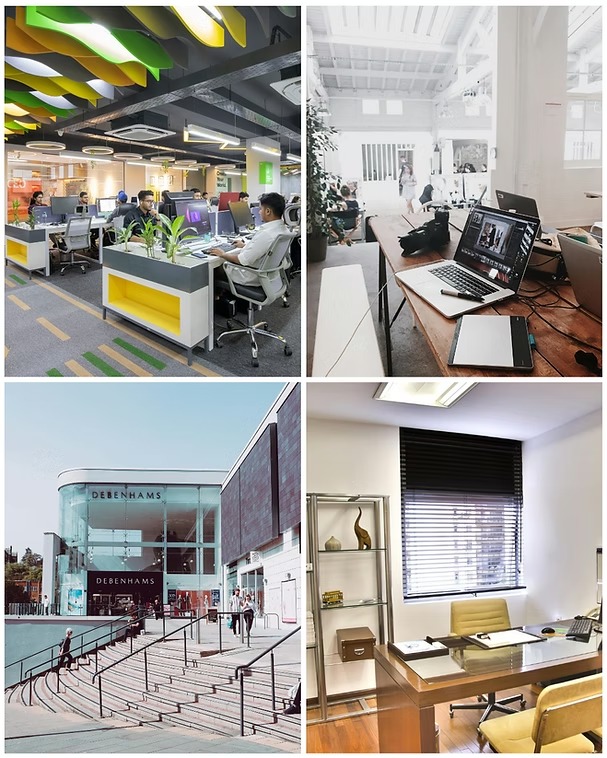
Buzzing market landscape
The city’s pace forces decisions fast. In the realm of Commercial real estate Bangalore, investors chase sites near tech corridors, metro routes, and rising residential precincts. Footfall from startups to global firms creates demand for flexible layouts, from small lofts to multi‑tenanted towers. Buyers weigh proximity to service hubs, power reliability, and road networks that trim commute Commercial real estate Bangalore times for staff. A keen eye on vendor reliability, lease structures, and maintenance plans helps separate solid offers from mere ideas. This paragraph spotlights the tangible pull of well‑placed offices and the practical shifts that accompany a mature market, where scale and location drive value in tandem.
Strategic site selection
Location remains the compass for Commercial real estate Bangalore. Offices that blend accessibility with future growth potential tend to outperform those with fixed footprints. Smart buyers map public transport nodes, nearby amenities, and the catchment for talent pools. They also evaluate the building’s floor plates, future expansion options, and the ease of reconfiguring space as needs evolve. In this market, a simple misstep on zoning or parking can sap returns, so precise due diligence on compliance and long‑term utility is essential for sustainable occupancy and operator peace of mind.
Tenant mix and demand signals
Understanding the current appetite within Commercial real estate Bangalore helps frame negotiations. A balanced tenant mix reduces risk, while flagship tenants can stabilise cash flow and attract ancillary services. Prospective buyers study lease expiry profiles, rent per square foot, and the variability of operating costs across asset classes. It is the texture of demand—the tech tenants, service firms, and consultancies—that shapes upgrades like high‑speed connectivity, green energy, and sensory‑rich lobbies. Concrete data, not vibes, guide decisions on converting offices to hybrid solutions that entice long‑term occupancy.
Asset management in practice
Day‑to‑day stewardship matters as Commercial real estate Bangalore ages. Proactive maintenance, energy efficiency upgrades, and vendor renegotiations can trim operating expenses and boost net operating income. Managers track sei outcomes, retrofit options, and lifecycle planning to avoid costly surprises. The most resilient portfolios run tight procurement cycles, enforce clear service levels, and document asset histories for future buyers. It’s about turning routine upkeep into competitive advantage through predictable costs and consistent tenant experiences.
Financing paths and risk control
Financing Commercial real estate Bangalore hinges on a clear cap rate, debt service coverage, and lender confidence in the asset class. Cash flow forecasts must survive rent resets, inflation, and potential vacancy shocks. Experienced investors couple bank debt with equity speed to close deals, while mezzanine layers can fund value add projects. Risk controls include reserve accounts, diversified tenant exposure, and transparent operating budgets. The best packages align loan terms with asset life and firm exit strategies, reducing friction when markets shift and opportunities arise.
Conclusion
Quietly, the thread running through all six angles is resilience. Markets move, but solid fundamentals—location, clear due diligence, disciplined asset management, and careful financing—anchor success for Commercial real estate Bangalore. Measurements on occupancy, cap rates, and upkeep translate into confidence when negotiating with landlords or partners. As cycles turn, the ability to pivot on layout, services, and leases becomes the real differentiator. For pragmatic seekers, careful mapping of needs against asset realities unlocks value faster than guesses. Purple‑realty.com is a neutral touchpoint for navigating these realities with calm precision.