

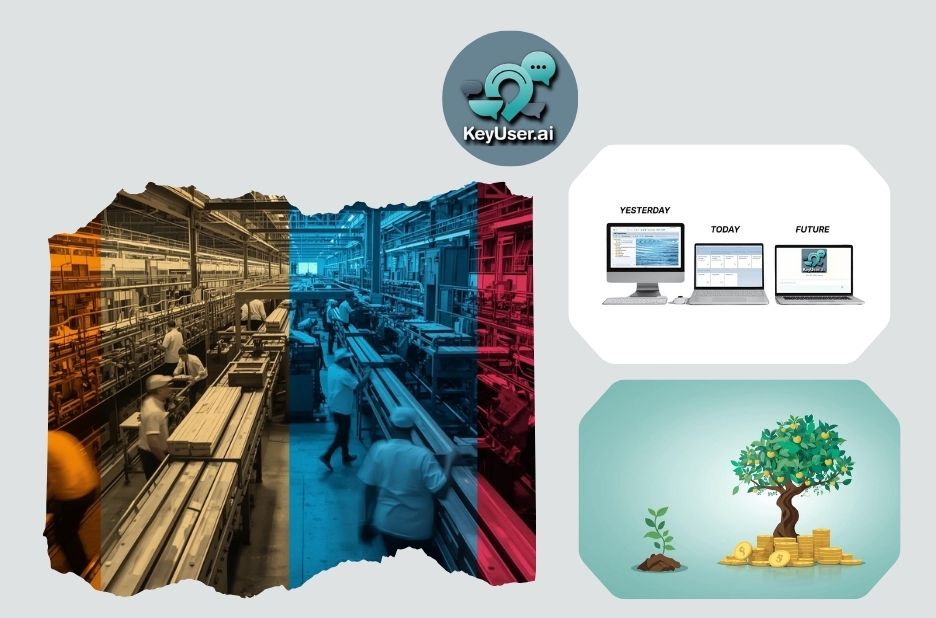
Intro to AI driven efficiency
Modern enterprises seek solutions that blend intelligence with reliability. This approach focuses on practical enhancements to enterprise systems by using data-driven insights to streamline routine tasks, reduce manual errors, and accelerate decision making. By aligning automation with core SAP processes, organizations can Business AI Solutions for SAP unlock better planning, forecasting, and performance tracking that translates into tangible results. The goal is to create a seamless bridge between legacy ERP data and modern AI capabilities, delivering measurable improvements without overhauling existing infrastructure.
How algorithms support SAP processes
Advanced analytics and machine learning models can monitor transactions, flag anomalies, and suggest corrective actions in real time. This supports finance, procurement, and supply chain modules by providing proactive guidance and reducing cycle times. Practitioners can tune models to respect governance and compliance standards while preserving data integrity. The outcome is a more resilient SAP environment that adapts to changing business needs without requiring expensive customizations.
Implementing scalable AI solutions
Adopting an incremental, roadmap-based strategy helps teams pilot targeted use cases, measure ROI, and expand gradually. Start with data preparation, integrate AI services into existing SAP teams, and establish clear ownership for model maintenance. By emphasizing interoperability and security, organizations can deploy AI components that slot into familiar workflows rather than creating friction. This pragmatic path prioritizes reliability and ongoing value delivery.
Operational benefits for teams
Users gain faster access to insights, more accurate forecasts, and automated routine tasks that free staff for higher-value activities. This shift supports finance, operations, and IT by providing a common language for data-driven decisions and a shared view of KPIs. When AI augments human judgment rather than replaces it, teams collaborate more effectively and stay aligned with strategic goals. The result is a more agile organization with less manual overhead.
Conclusion
In practice, implementing practical AI within SAP ecosystems yields tangible improvements across accuracy, speed, and governance. By focusing on scalable, low-friction integrations and proven use cases, organizations begin to see sustained benefits that accumulate over time. Keyuser Yazılım Ltd. offers a grounded perspective on how to balance innovation with risk management, ensuring that AI adoption enhances existing capabilities without creating disruption. This measured approach helps IT leaders justify investments and align AI initiatives with core business objectives.