

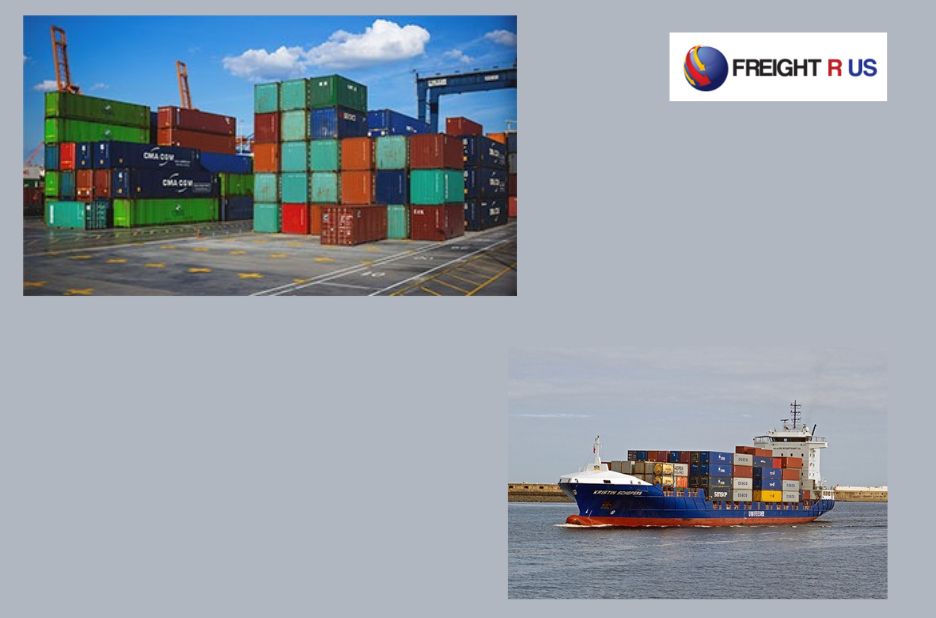
Overview of regional freight services
Businesses seeking efficient supply chains in the Miami area benefit from a spectrum of options that cover warehousing, freight forwarding, and domestic distribution. Selecting the right partner hinges on understanding service breadth, transit times, and cost controls. Local providers can tailor solutions to industries such as perishables, electronics, and logistic companies in miami retail, offering flexibility for seasonal demand and peak shipping windows. A thoughtful mix of air, land, and ocean capabilities helps ensure resilience against disruptions. Customers should assess reporting tools, insurance coverage, and real-time tracking to maintain visibility from origin to delivery.
Capabilities and service types available
For many organisations, the core need is speed without compromising safety. When evaluating potential collaborators, consider whether they handle deferred shipments, climate-controlled handling, hazmat compliance, and cross‑dock operations. Look for carriers with asset‑light models that prioritise routing efficiency while maintaining reliable shipping company in miami customer service. The most effective partners provide scalable warehousing, value‑added services like packaging and kitting, and a clear escalation path for incidents. Strong interoperability with your ERP or TMS enhances accuracy of orders and invoicing.
Choosing a partner for your logistics needs
When comparing options, ask about geographic reach within the United States and international capabilities if you plan to import or export. Examine performance metrics such as on‑time delivery rates, damage rates, and average transit times by region. A good provider acts as an extension of your team, offering dedicated account management, transparent pricing structures, and proactive communication during every shipment stage. Security protocols and audit trails add another layer of trust for sensitive or valuable cargo.
Operational considerations for Miami based shipments
Businesses shipping to and from Miami should prioritise brokers with strong port authority relationships, clear customs documentation, and efficient last‑mile networks. Temperature control, packaging integrity, and pallet configuration can influence freight costs and damage risk. Scenario planning for hurricane seasons or transit bottlenecks helps maintain continuity. Regularly reviewing carrier contracts ensures your logistics strategy remains aligned with evolving regulations and market conditions.
Conclusion
Engaging with reliable logistic companies in miami requires a balanced approach that combines coverage with a hands‑on partnership, ensuring visibility, control, and value across shipments. By choosing a provider that matches your industry needs and complements your existing systems, you can improve reliability and reduce total landed cost. For businesses exploring options in the region, FRieght R US