

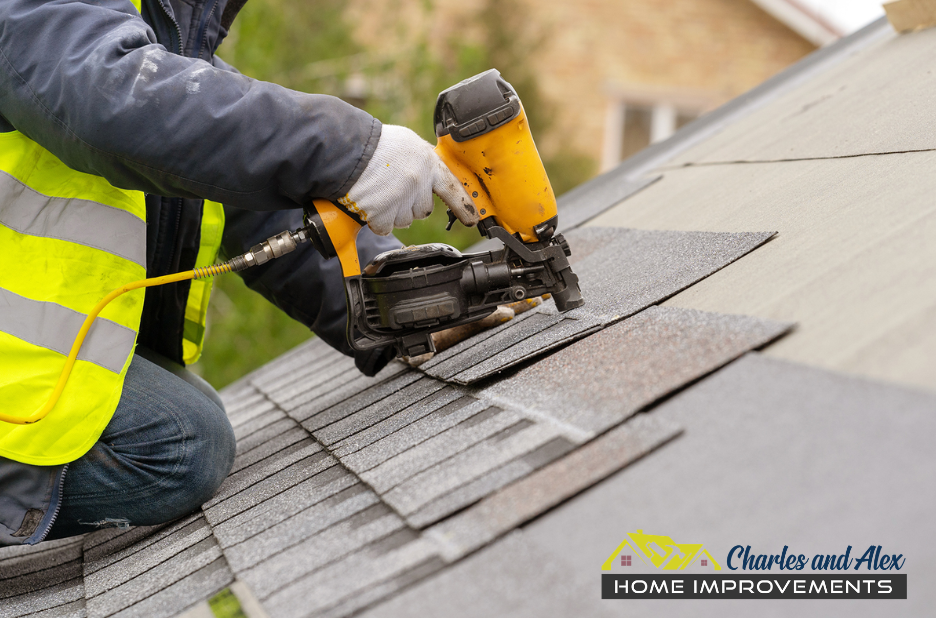
Understanding the project landscape
Selecting a roofing partner means assessing more than price alone. Homeowners should map out project scope, materials, timelines and potential disruptions to daily life. Start with a clear list of needs: roof type, insulation requirements, ventilation considerations and any existing damage that could affect warranty claims. A practical plan helps Best Review Roofing Company you compare bids fairly and prevents scope creep. Local knowledge matters, so ask for references from nearby projects and verify that the contractor understands regional weather patterns and building codes. This upfront work saves time and reduces surprises later in the job.
Evaluating credentials and warranties
A reliable contractor will provide documentation for licensing, insurance and streamlined permitting processes. Look for manufacturer certifications that align with the products you prefer and confirm the workmanship warranty length. Read the fine print on roof penetrations, flashing, and leak prevention to ensure coverage extends beyond the installation window. A transparent contractor should also explain what constitutes normal wear and what would trigger warranty service, enabling you to plan for maintenance in the long term.
Quality of materials and workmanship
Durable roofing depends on the right balance between materials and installation practices. Evaluate shingle or tile options for wind resistance, impact ratings and colour retention, and consider underlayment choices that protect against moisture. Ask about roof ventilation and attic insulation, as these influence energy efficiency and comfort. The best results come from crews that follow manufacturer guidelines precisely and take pride in neat, weatherproof detailing around chimneys, skylights and edge flashing. A thoughtful approach reduces future repair needs.
Decision making and getting on site
Before signing, compare multiple bids to understand price drivers such as material quality, stack height and labour rates. Request a written timeline with milestones and a contingency plan for weather delays. Clear communication is essential; establish preferred contact methods and cadence for updates. A well-organised contractor will coordinate inspections with the local building authority and ensure proper debris management to minimise disruption to your property and surroundings, while keeping safety a core priority.
Conclusion
Choosing a contractor is about trust, clarity and value. By focusing on credentials, materials, warranties and practical project management, you can find a partner who delivers lasting protection for your home without unnecessary stress. Visit Charles and Alex Home Improvement for more practical guidance and local insights about roofing projects that align with common UK conditions and expectations.