

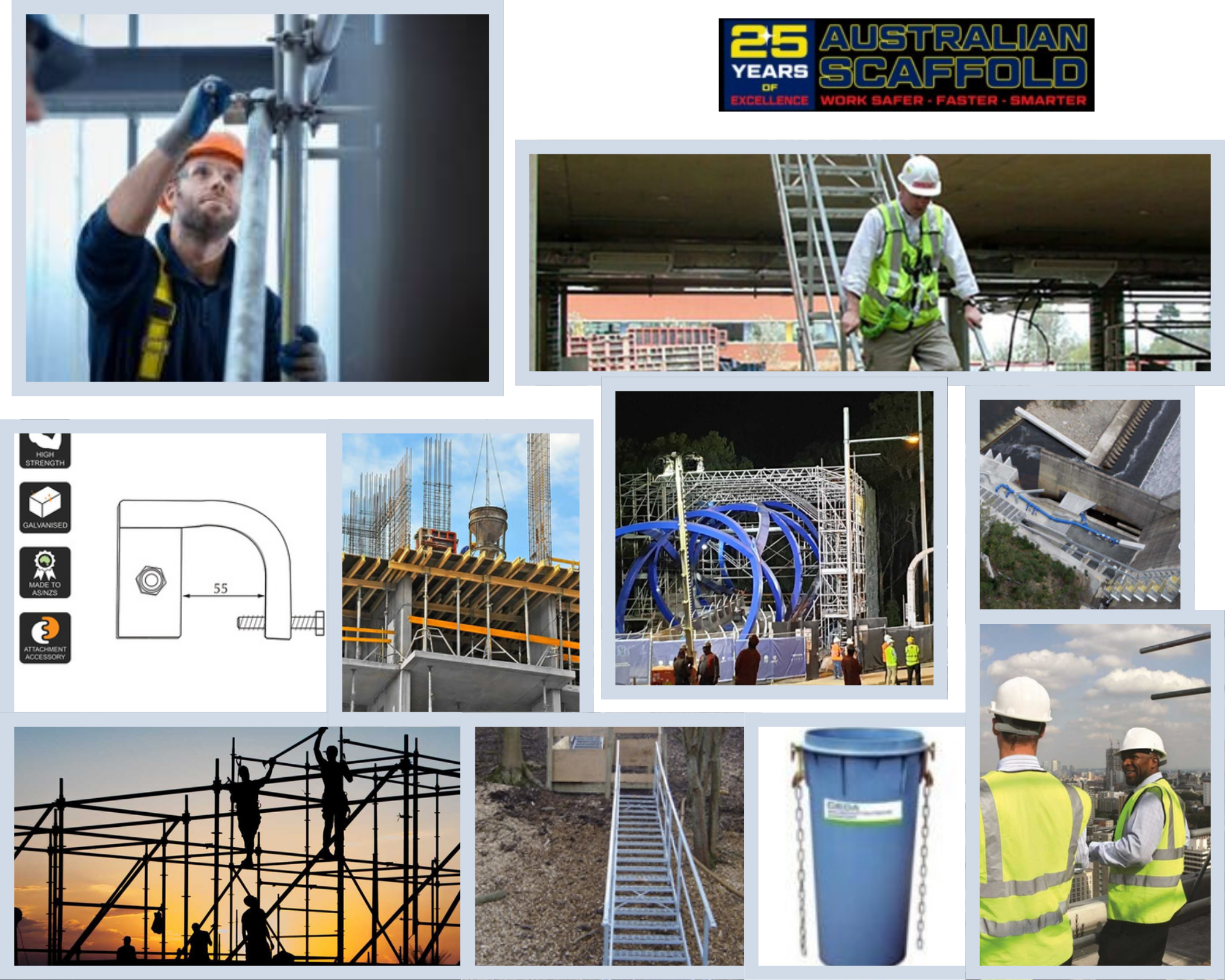
Choosing the right equipment
On any construction site, selecting the right form of support is crucial for safety and efficiency. Tools like the Acrow Prop provide adjustable, reliable support for formwork and temporary structures, helping teams maintain level surfaces and secure loads. When assessing options, Acrow Prop consider load capacity, adjustability, ease of handling, and compatibility with existing scaffolding systems. A thoughtful approach reduces delays and enhances overall workflow, particularly in tight spaces where precise vertical alignment matters for subsequent work phases.
Understanding system versatility
The term Acrow Prop often reflects a broader family of adjustable props designed to stabilise scaffolds, decks, and walls during building and renovation. Their versatility shines in projects where walls rise incrementally or where temporary shoring is needed while Mobile Scaffold permanent supports are installed. Operators appreciate predictable performance, whether the prop is used to brace a portal frame or to fine tune the height of a platform, ensuring projects progress with minimal interruptions.
Safety and handling tips
For workers, correct handling of stabilising gear is essential. Regular inspection before use helps identify wear, corrosion, or thread damage that could compromise strength. When assembling, follow manufacturer guidelines for base timber, rubber pads, and locking pins. Never exceed stated load limits, and always secure props with appropriate supports to prevent unexpected movement. Training on safe techniques pays dividends in accident reduction and time saved on site.
Maintenance and lifecycle planning
Maintenance is a practical investment in longevity. Clean footwear and surfaces to prevent grit from jangling threads, rotate components to distribute wear evenly, and store props in a dry area away from corrosive substances. A simple maintenance log captures usage, inspections, and replacements, helping managers plan budgets and procurement cycles. Well-kept equipment performs reliably, reducing downtime and extending service life even under heavy, daily use.
Conclusion
Effective use of scaffolding equipment hinges on choosing adaptable gear that fits the project at hand. By prioritising safety, maintenance, and clear usage guidelines, crews can maintain steady progress through varying tasks. This approach supports on site efficiency and dependable results, reflecting the practical needs of trades and supervision alike. Australian Scaffold PTY LTD