

Precision at the point of touch
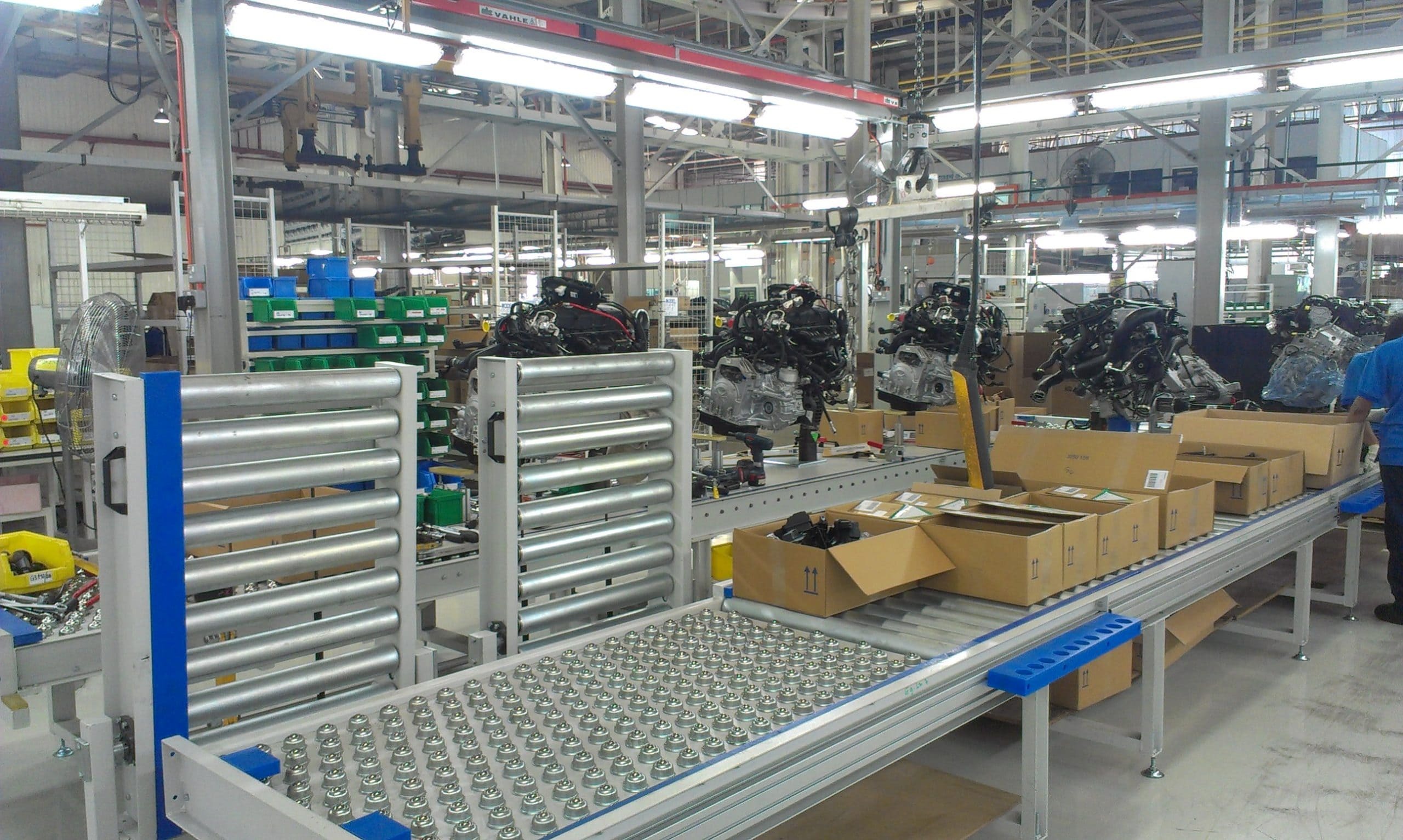
The first rule when dealing with fragile boards is control. A practical approach uses a compact trolley with adjustable levers so operators can cradle a PCB without bending tabs. The goal is a steady transfer from storage to work area, avoiding sudden twists or jolts. When the handling process is calm, pcb handling equipment even a small gap in the machinery can prevent micro-scratches on copper traces. The focus here is not speed but grace under load, ensuring the board arrives flat and ready for inspection. This mindset makes pcb handling equipment invaluable on busy lines.
Choosing the right grip and stance
Balance matters as much as grip. A gentle clamp that distributes pressure evenly reduces stress on corners and vias. The operator’s stance should align with the board’s weight, feet planted, elbows tucked, wrists neutral. Even small ergonomics pay off: fewer strains, steadier handoffs, fewer dropped parts. When the grip feels secure, a routine becomes repetitive rather than reckless. In this setting a simple, well-calibrated clamping solution becomes essential in the broader toolkit for pcb handling equipment.
Flow that respects suitables of size and shape
Boards vary a lot in form. Some are dense with fine pitch chips; others carry thick stiffeners. A thoughtful transport plan uses rails and guides that accept different footprints while keeping boards level. Operators learn to scan for edge notches and markers that tell where to grip. The system should lock in place when aligned, yet release quickly when needed. This balance between firm control and fluid motion is what makes pcb handling equipment work in real-life production, not just on paper.
Dust, oils and surface life
Cleanliness is a quiet killer of yield. A compact hood or local extractor near the work zone matters, catching airborne residues that cling to copper pads. Wipe-down protocols between jobs prevent grime from migrating into solder joints. Any grease or fingerprint left on the board invites corrosion or weak solder joints later on. A steady routine, powered by reliable pcb handling equipment, helps keep boards pristine from entry to exit, preserving function across the line and reducing rework.
Interfacing with automated lines
Manual touch points mix with automation in many plants. A robotic arm paired with a calibrated gripper can handle delicate boards with repeatable finesse, while human operators provide situational judgment for odd shapes. The key is a clean handoff from human to machine and back again, with sensors that confirm grip strength and board orientation. In this arena, pcb handling equipment becomes a bridge, smoothing transitions and supporting a steady cadence rather than abrupt pauses that stall throughput.
Inspection as a habit, not a step
Quality begins the moment a board enters the line. A quick, tactile check on alignment and surface condition saves hours downstream. Any misalignment is flagged early, with a clear visual cue and an immediate corrective path. The practice forces discipline, so boards move through each station without orphan errors. The equipment surrounding that routine is not decorative; it keeps the process calm, deliberate, and reliable, letting technicians trust their eyes and hands alike in every shift.
Conclusion
In fast paced electronics work, the right pcb handling equipment lowers risk and raises yield. Small details count: how boards are grasped, how they travel, how clean the surface stays between steps. The result is a smoother line, fewer defects, and more confident assembly teams. Across tasks from storage to final test, the proper setup preserves delicate traces and tight tolerances, turning potential fragility into predictable performance. For teams looking to optimise, this is where discipline meets practical gear, and where the best results come from deliberate, repeated practice. sacS.com.my