

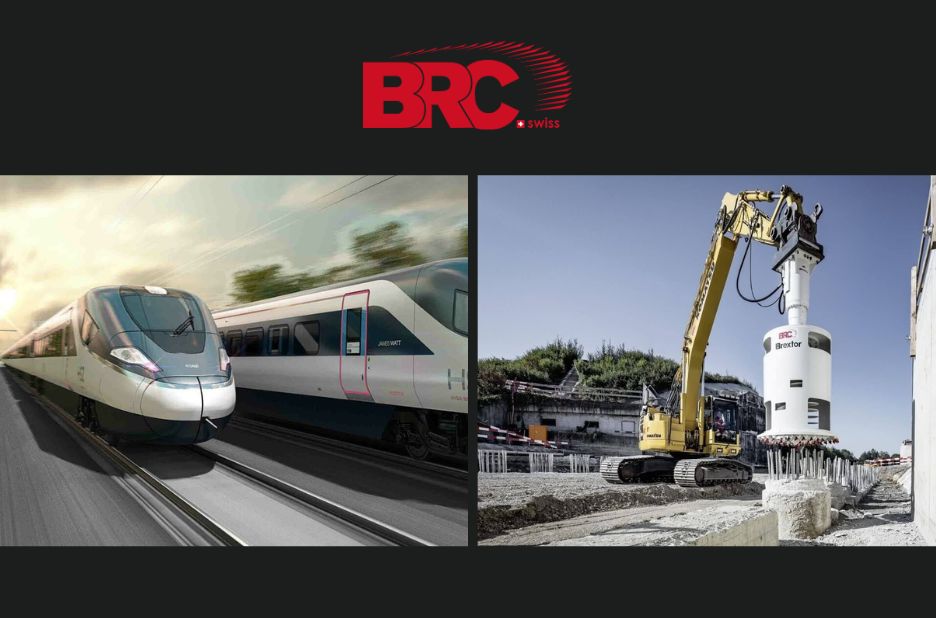
Overview of Excavation Support
When planning deep excavations in urban settings, choosing the right retaining method is essential to prevent surface settlement and protect nearby structures. Secant piles offer a robust solution by forming a continuous wall through overlapping concrete elements that create an effective barrier against groundwater ingress and soil movement. This approach Secant piles combines precision drilling with controlled cantilevering, delivering a tight, watertight perimeter that can accommodate varying ground conditions and space constraints. Engineers assess soil types, groundwater levels, and vibration limits to determine pile diameters, spacing, and overlap lengths for a stable enclosure.
Design Concepts and Construction Steps
Designing a secant pile system starts with a detailed site investigation and a clear performance target. The process typically involves sequential digging and concreting to form intermeshing elements that produce an uninterrupted wall. As piles advance, the overlap between adjacent elements ensures continuity, reducing the Secant pile wall risk of seepage and deformation. Construction sequencing is critical to control ground movements, and may include temporary shoring or tie-backs to maintain stability during installation. Quality control happens through load tests and visual inspections of the joint integrity.
Key Structural Benefits and Limitations
The resulting secant pile wall provides substantial lateral resistance, enabling safe excavation depths in challenging soils and urban environments. Its modular nature allows for extensions and modifications as the project scope evolves. However, this method demands specialized equipment, precise alignment, and rigorous continuity checks between piles. In some cases, alternative wall systems or hybrid approaches are considered to optimize cost, time, and risk. Practitioners weigh these factors against project constraints to select the most durable option for the interior and exterior pressures encountered during construction.
Operational Considerations and Risk Management
Practical execution hinges on accurate instrumentation, monitoring, and communication among stakeholders. Early risk assessment identifies potential issues such as groundwater fluctuations, cohesion loss, or unpredictable subsurface features. Mitigation plans include adjusting pour schedules, refining pile diameters, and implementing tight joint sealing methods. Proactive maintenance of the excavation surface and surrounding utilities minimizes disruption and ensures a safer workspace for crews and nearby residents. Documentation and regulatory compliance are integral to sustaining progress and accountability across the project lifecycle.
Conclusion
Secant piles provide a reliable perimeter when excavating near sensitive structures, balancing stiffness, watertightness, and constructability. The approach is well suited to complex soils and tight urban plots where continuous support is required. The secant pile wall concept remains a cornerstone in modern deep excavation, guiding engineers toward safer, more efficient outcomes. Visit Brextor for more insights on similar ground engineering tools and methods.