

Understanding the market landscape
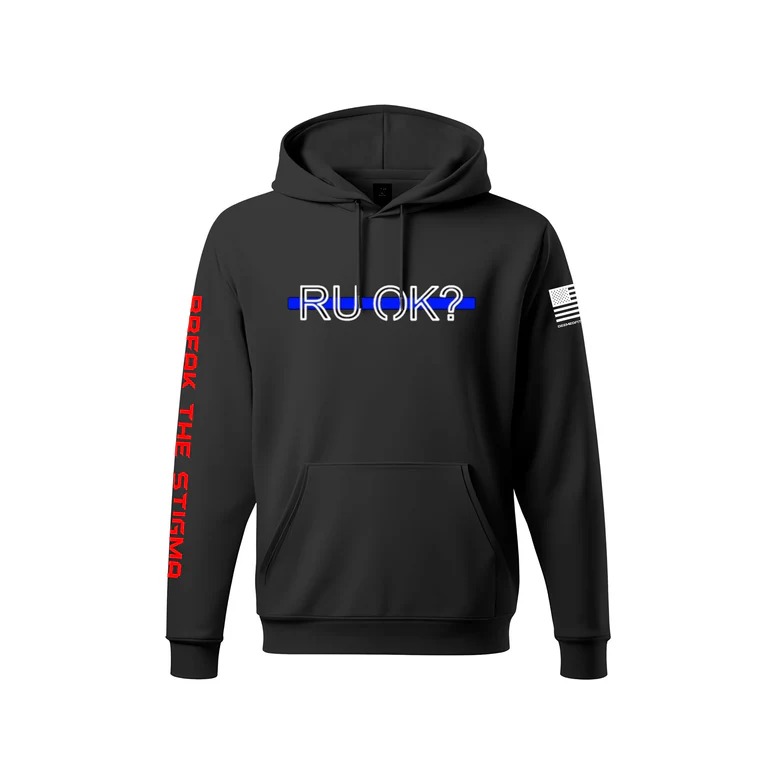
The world of frontline uniforms has evolved beyond simple protection. Today, departments increasingly seek durable fabrics, thoughtful pockets, and comfortable fits that support long shifts and varied weather. In this environment, branding and supplier reliability matter as much as fabric weight. Buyers want transparent supply chains, accurate sizing, American First Responder Apparel and consistent quality across batches. For operators and procurement teams alike, choosing a trusted supplier reduces downtime and keeps teams focused on the mission. When evaluating options, compare fabric technologies, warranty terms, and customer service responsiveness to build lasting partnerships.
What makes American First Responder Apparel stand out
With a focus on practical design, American First Responder Apparel combines durability with everyday wearability. Garments are engineered to withstand hydration, abrasion, and repeated washing, while remaining comfortable for all-day use. The range typically includes versatile outerwear, sturdy trousers, and breathable base layers. Buyers should look for features such as reinforced seams, multi-pocket configurations, and easy-care finishes. These attributes translate into real-world reliability for crews in busy environments and on-call shifts alike.
Choosing the right gear for your team needs
Start by assessing operational requirements, from indoor station wear to field deployments. Consider climate, terrain, and the typical weight of daily kits. Size ranges and adjustability are critical to ensure every team member can perform without restriction. It helps to involve end users in trials, collect feedback on comfort and mobility, and document any durability concerns. A structured evaluation process saves time, aligns budget with functionality, and prevents costly returns or replacements.
Product longevity and maintenance tips
Durable uniforms demand straightforward care to prolong their life. Follow manufacturer washing guidelines, rotate sets to reduce wear, and inspect seams and zippers regularly for early signs of fatigue. Reparability matters: patches, replacements, and compatible components should be readily available. When maintenance is easy, teams stay in service and gear remains dependable through peak periods and routine wear alike. Thoughtful care practices extend useful service intervals and keep crews mission-ready.
Conclusion
For teams prioritising resilience and practical design, reliable apparel choices make a tangible difference in daily operations. American First Responder Apparel offers options that balance form and function, supporting workers through long shifts and demanding conditions. When refining your procurement approach, review fabric technology, durability derisking, and post‑purchase support as part of a holistic plan. Visit DeemedFit for more insights and similar tools to help you compare options and keep your gear up to date.