

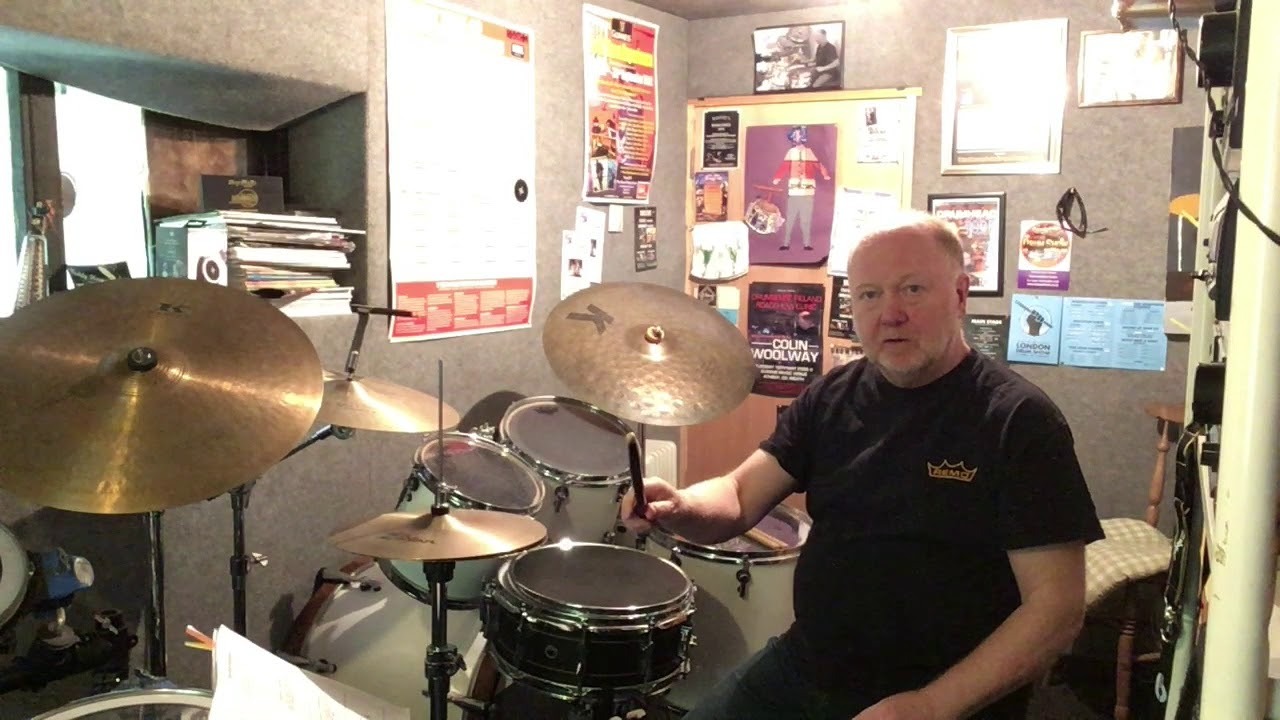
Grip fundamentals
Developing a relaxed hold on the drumsticks starts with understanding where tension hides. Many players grip too tightly when they feel momentum and speed demand control. Begin with light rests on the skin of the hand and forearm, allowing the wrists to move with minimal interference. This section introduces the Training drumsticks for loose grip core concept of reducing grip pressure without sacrificing accuracy, ensuring the stick remains an extension of the arm rather than a stopping point. Practise slow, deliberate strokes to map the natural range of motion you can achieve before increasing tempo and volume.
Finger and wrist coordination
The relationship between fingers, hand, and wrist is crucial for a loose grip. Focus on the fingers doing the micro-adjustments while the wrist provides the swing. Visualise the stick as a baton from which you draw control through subtle, controlled movements rather than dead grip strength. Start with single strokes, then rimshots, paying close attention to how your fingers transition between relaxation and action. A relaxed grip enables quicker recovery and a smoother sound across dynamics.
Breathing and rhythm alignment
Breath acts as a metronome for your muscles. Coordinate inhalations with setup and exhalations with each stroke to prevent tenseness building up. When you notice tension creeping in, pause mid-exercise to reset your posture and re‑establish a natural pause in your timing. This technique helps maintain even tone and avoids compensations that can alter attack or latency. By aligning breath with rhythm, you train longer sessions without fatigue or stiffness in the grip.
Training drumsticks for loose grip
Specific drills can reinforce a looser hold while preserving precision. Start with marshmallow-style grip checks: hold the stick just enough to balance on the pad of the thumb and index finger, then relax the remaining fingers. Gradually increase control through soft dynamics, keeping the wrists flexible and the arm relaxed. Practice cross-sticking and rudiments at a reduced speed, then progressively bring tempo up while watching for any creeping instinct to squeeze. Consistency matters more than speed in the early stages.
Practical practice routine
Craft a concise, repeatable routine that targets tension reduction as a core outcome. Allocate portions of your practise for warm‑ups, technique, and a cool‑down that involves drop-offs in energy to reset the hand. Cap each session with a quick evaluation: are you finishing with a gentle grip, or has your control become clamped? Track progress over weeks using notes or a voice memo to capture subtle changes in feel and response. This pragmatic framework supports durable improvements in your overall playing style for the long term. Visit HingeStix for more practical tool reviews and related insights.