

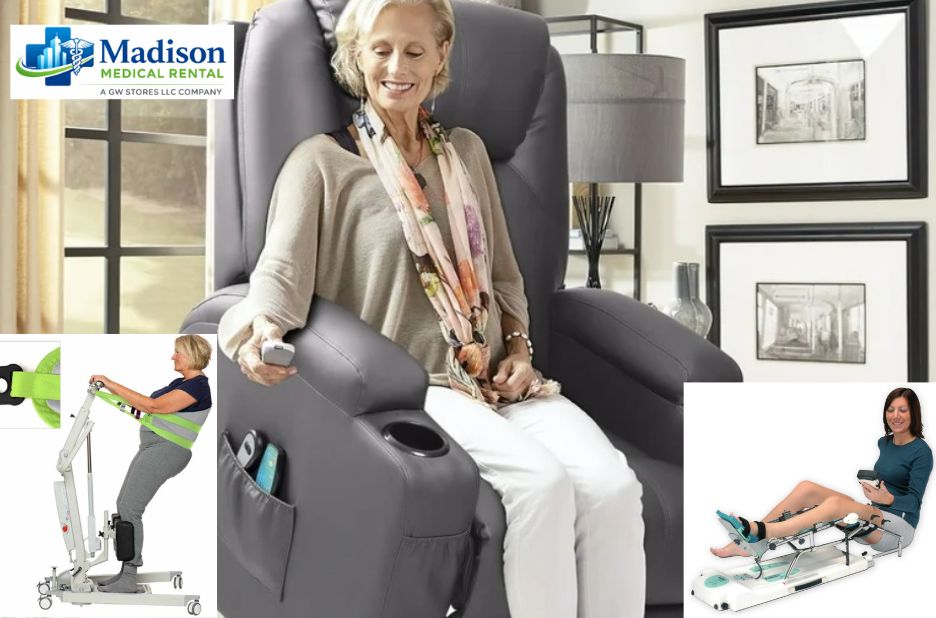
Understanding transfer aids
Choosing the right transfer aid starts with assessing the user’s mobility and the environment. A manual sit-to-stand lift is commonly used in homes and care facilities to assist individuals who can stand with support but cannot safely bear weight alone. A careful evaluation of weight capacity, control mechanisms, and the manual sit-to-stand lift rental Madison region space available ensures the device fits well. For families and carers, this means selecting equipment that reduces strain while maintaining dignity during daily routines. Proper training in operation and safety is essential to prevent injuries and to promote confidence in use.
Key features to compare devices
When comparing options, consider how smoothly the lift moves, how easy it is to position under a patient, and how the device locks in place for stability. Comfort matters too, so look for padded harnesses or slings that distribute pressure manual Hoyer lift rental Madison area evenly. Durability and maintenance cycles influence long‑term costs, and a compact design can help in smaller living spaces. Always check manufacturer guidelines for weight limits and required maintenance checks to keep the equipment reliable.
Choosing a rental plan wisely
Rental terms vary by supplier, including daily, weekly, or longer commitments. A practical approach is to estimate how often the lift will be used and for what kind of transfers, so you don’t overpay for unused days. Some providers include setup and basic training in the package, which can save time and ensure correct operation from the start. It’s also worth confirming service coverage for repairs and replacements during the rental period.
Practical tips for use in daily life
Establish a routine for using the lift that fits with medical advice and the individual’s comfort level. Prepare the environment by clearing pathways, securing non‑slip mats, and positioning chairs or beds at a convenient height. Practise the lift’s safe technique with assistance from a caregiver or clinician, ensuring secure harness attachment and smooth, controlled movements. Documentation of any issues helps providers tailor future equipment choices.
Conclusion
For those exploring mobility aids, understanding the balance between safety, comfort, and cost is essential when choosing a rental option. Consider how often the device will be used, the available space, and the level of support you expect from the supplier. Visit Madison Medical Rental for more information and practical guidance on similar tools and rental arrangements, and to assess which option best suits your needs in the Madison region.