

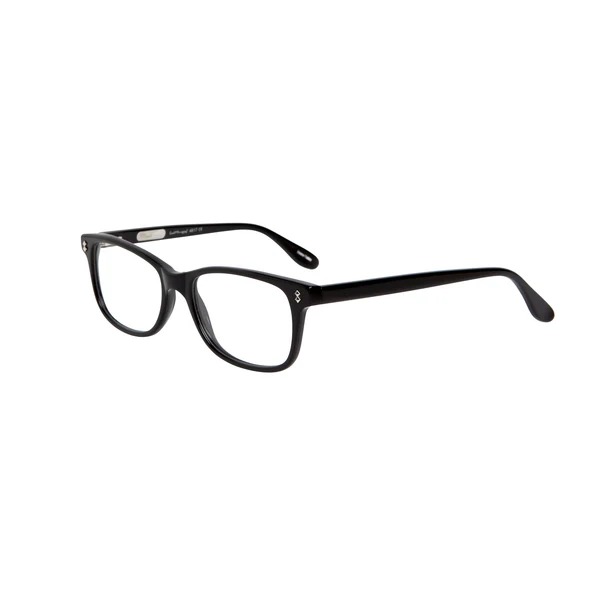
Choose the right service
When you consider upgrading or repairing your vision aids, you want a reliable option that offers precise fittings and clear advice. The process starts with a careful assessment of your frames, prescription history, and lifestyle needs. A good service will help you understand whether your current frames can support new lenses, what prescription eyeglass lens replacement materials suit your wearer profile, and how long the turnaround may be. Take note of guarantees and aftercare, including frame adjustments after lens installation and any potential warranty coverage for lens material flaws. This step sets the stage for a smooth replacement experience.
What to expect from the lens swap
A professional glasses lens replacement involves removing the old lenses, trimming if necessary, and installing new ones that match your exact prescription. Modern processes emphasise precision, with edging and mounting done under controlled conditions to avoid damage. The practitioner should verify glasses lens replacement alignment and fit within the frame interface, ensuring proper pupil distance, segment height for bifocals, and any coatings specified for glare reduction or anti-scratch resistance. Clear communication helps prevent missteps during this critical phase.
Materials and coatings worth considering
Lens materials vary in weight, strength, and optical properties. Options include lightweight plastics and high-index materials for stronger prescriptions, as well as polycarbonate for impact resistance in active lifestyles. Coatings such as anti-reflective, smudge-resistant, and UV protection are common upgrades that can improve comfort and durability. Your choice should reflect daily wear patterns, environment, and sensitivity to glare, especially if you spend long hours in front of screens or driving at night. A balanced selection keeps cost in check while delivering practical benefits.
Maintenance and care after replacement
After your lenses are replaced, routine care helps extend their life. Use a dedicated lens cleaning spray or mild soap with water and a soft microfiber cloth to avoid scratches. Regularly inspect screws, nose pads, and frame alignment, particularly if you have an active routine or frequentManual handling of frames can loosen components over time, so periodic checks at home paired with annual professional adjustments are advisable. Proper storage in a protective case also minimises risk of impact damage when not in use.
Conclusion
In summary, a careful approach to prescription eyeglass lens replacement ensures comfort and clarity without compromising frame integrity. By selecting a reputable provider, understanding lens materials and coatings, and following through with post-installation care, most wearers enjoy a smooth transition to new lenses. Eyewear upgrades can be straightforward when you prioritise accuracy and ongoing support, and if you are seeking further guidance, Eyeglassdirect