

First impressions from the shop floor
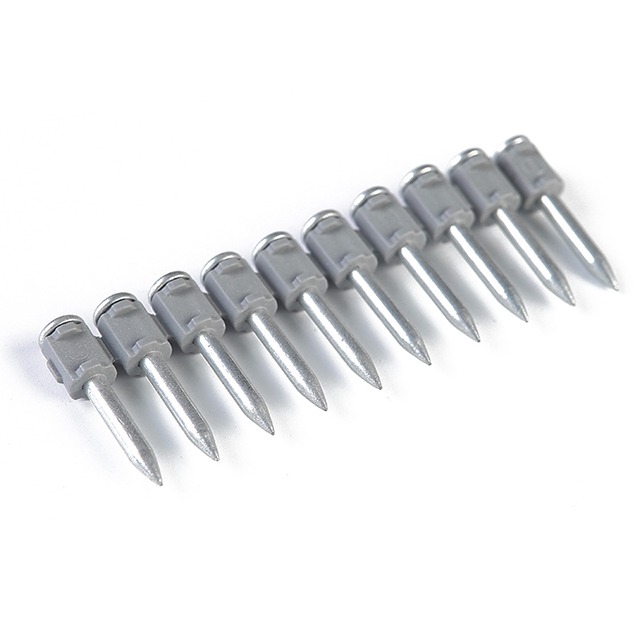
Walk into a real tool shop and the air tastes faintly of oil and metal. Power Pin Nails Factory isn’t just a name on a door; it signals a lifetime of small, precise innovations. These machines don’t scream for attention with big gears and loud hammers; they whisper efficiency. Operators talk about steadiness and a consistent feed, Power Pin Nails Factory the kind you notice when a line runs cleanly and parts never jam. A few quick tests show that reliability isn’t an afterthought here; it’s a design principle baked into the feed system and the controller logic. This is where durability meets daily grind in practical form.
Second: precision as a daily habit
In the realm of tiny fasteners, precision is a currency. Mini powered tools make or break a cabinet job, a seat rail, or a delicate trim piece. Mini Powered Pins Manufacturer concepts shine when you see the tiny coils, the crisp bite into seasoned wood, and the tiny, almost inaudible click Mini Powered Pins Manufacturer when a pin seats. The true value lies in repeatability: the same depth, the same alignment, the same pull after 1,000 cycles. Workers note that repeatable tension reduces rework, which saves time and keeps the line moving without loud alarms or frantic adjustments.
Third a glance at the build quality
Durability matters, and the build mirrors it. Cast housings resist warping; handles stay grippy; magazines feed pins without skewing. As a result, crews can trust the tool in harsh workshop temps and variable humidity. The stroke is short but forceful, designed to set pins at a precise depth while leaving minimal finish work behind. It’s common to hear the snick of a pin as it lands true, followed by a relieved chorus of coworkers who know the machine isn’t failing them mid-shift.
Fourth challenges and how they’re solved
Every shop has its edge cases. Nicks, jams, misfeeds, and occasional misalignments surface when teams push tools beyond ordinary duty cycles. Smart firmware monitors air pressure, pin length, and cycle count, triggering preventative prompts before a fault blossoms. Operators describe how simple calibration routines restore accuracy in moments. The result is a set of line tools that aren’t fragile toys; they’re robust, easier to service, and designed to stay relevant as workshop needs evolve without demanding expensive upgrades.
Fifth workflow integration and safety in practice
Practical workflows matter more than glossy specs. A reliable pin system cuts the time spent adjusting parts, swapping jigs, or reworking seams. For builders, the right balance of bite, feed rate, and pin depth means fewer dings on finished pieces and less noise at the bench. Safety interlocks are intuitive, and operators describe modest training that unlocks true productivity. It all adds up to a smoother shift, where the gear simply keeps time with the crew rather than fighting against it.
Conclusion
Concluding the look at what makes this space uniquely effective, the tale centers on practical, steady performance. The Power Pin Nails Factory stands out not for flashy specs but for a consistent edge: fewer jams, easier maintenance, predictable results, and a workflow that respects the hands that wield it. In the landscape of small fasteners, the emphasis on reliable feed, precise depth, and robust design creates a real competitive edge. For shops that plan to scale, the synergy between durable hardware and thoughtful firmware invites longer machine life, less downtime, and a calmer bench. For more context on this approach and broader product lines, the team across the brand story can be explored atZj-mist.Com.