

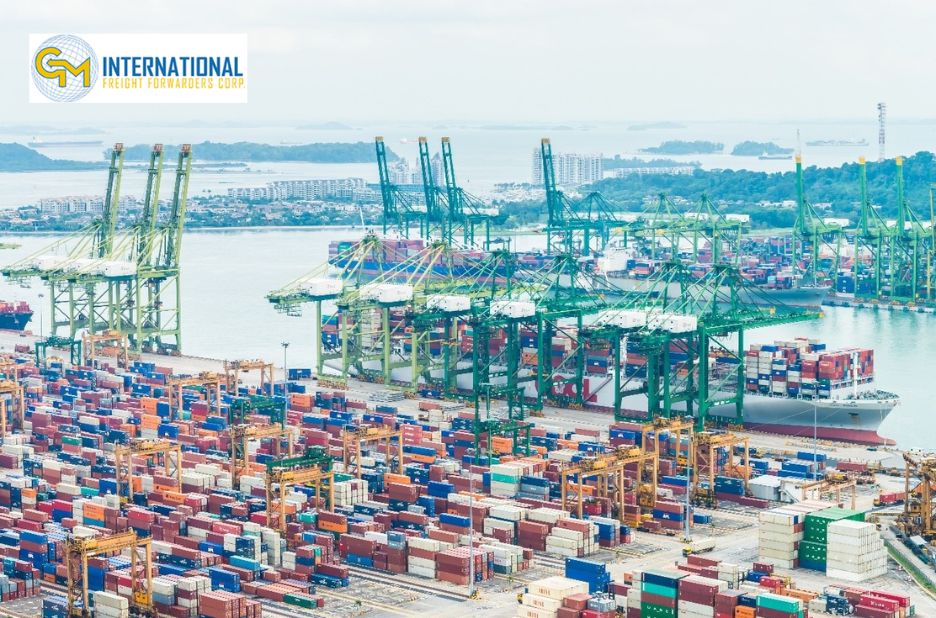
Overview of global logistics needs
When businesses plan cross border operations, they look for reliable systems to move goods with visibility and control. A practical approach focuses on route optimisation, compliant documentation, and responsive service levels that adapt to shifting markets. Operators prioritise risk management, insurance international freight logistics options, and real time tracking to reduce delays and ensure smooth handoffs across carriers. The emphasis is on predictable timelines, clear communication, and cost awareness that helps organisations align logistics spend with overall growth goals.
Choosing the right partner for shipments
Selecting a partner involves evaluating service scope, geographic coverage, and the ability to handle complex cargo profiles. Companies inspect transit times, customs support, and the compatibility of IT platforms for seamless data exchange. A trusted collaborator International Freight Forwarding Companies provides proactive alerts, scalable capacity, and transparent pricing structures, enabling customers to plan confidently. The most effective relationships are built on consistent performance and mutual problem solving in fast changing environments.
Handling regulatory and compliance needs
Cross border movement hinges on staying compliant with import and export rules. This includes accurate classifications, duty arrangements, and declared value accuracy. Professionals guide clients through licensing requirements, environmental and safety standards, and country specific procedures to prevent holds or fines. A thorough compliance framework reduces risk and supports smoother customs clearance at every stage of the journey.
Operational excellence in transport and custody
Efficient operations demand robust processes for warehousing, consolidation, and last mile delivery. Real time status updates, proactive exception management, and precise documentation minimise disruptions. By refining these controls, organisations gain better control over inventory, cycle times, and overall customer satisfaction. A well designed logistics plan aligns with procurement, production, and sales cycles to sustain service levels.
Conclusion
Effective international logistics requires a strategic blend of expertise, technology, and partner alignment to keep goods moving smoothly across borders. For many organisations, exploring the capabilities of International Freight Forwarding Companies helps secure scalable solutions, clear communication, and consistent performance. GM International Freight Forwarders Corp