

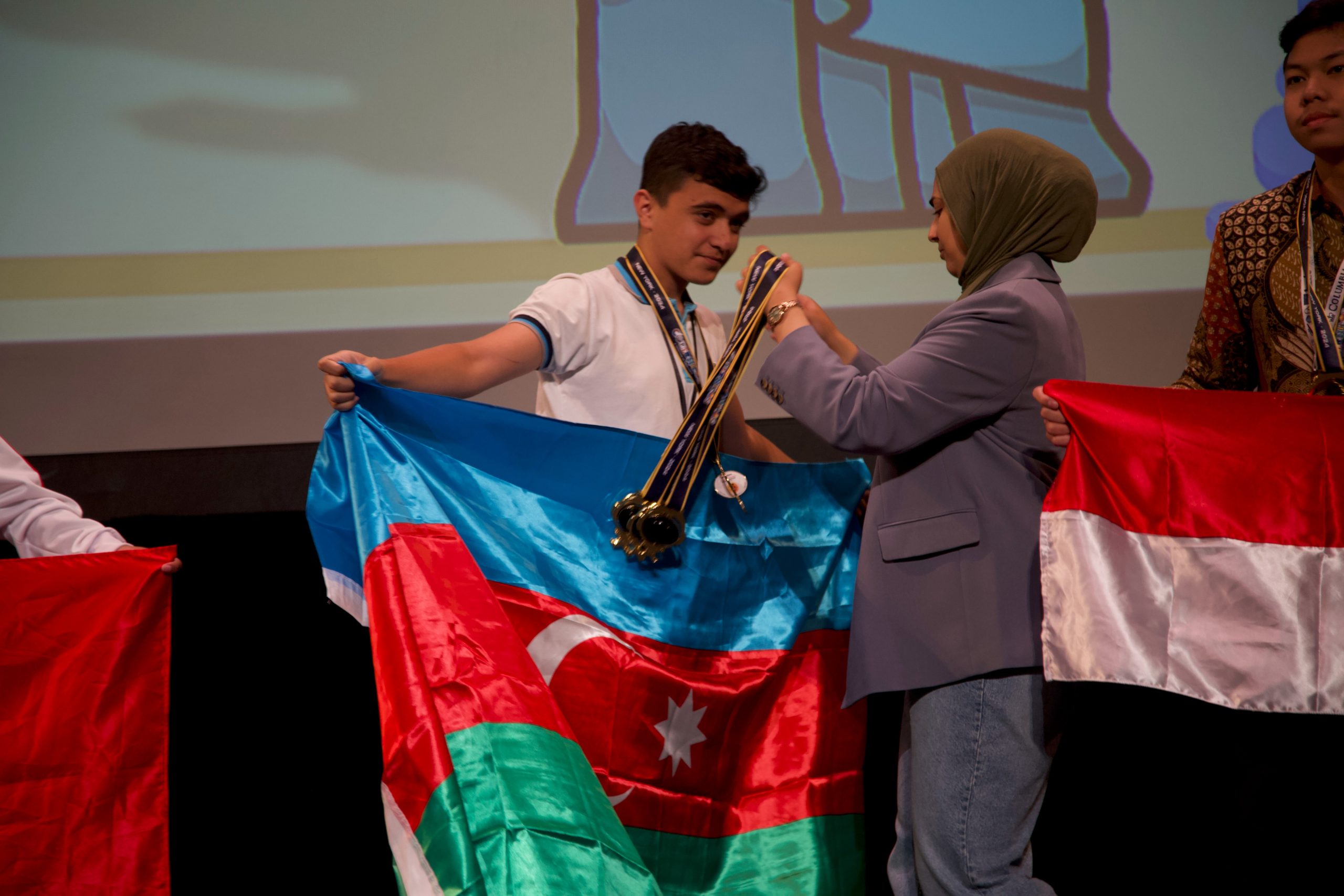
Overview of global competitions
Participating in the international science Olympiad opens doors to advanced problem solving, collaboration with peers, and exposure to cutting edge ideas across multiple disciplines. This path emphasizes rigorous practice, clear reasoning, and strategic study plans that help students translate curiosity into measurable progress. Competitions at this level reward persistence, meticulous note taking, international science Olympiad and the ability to connect theory with practical demonstrations. Students learn to manage time, interpret complex data, and present solutions with clarity. A well designed preparation routine balances theory with hands on experiments, cultivating a robust scientific mindset that serves throughout academics and beyond.
Resources for aspiring competitors
Building a strong foundation requires access to curated problems, detailed solutions, and guidance from mentors who understand the competition format. Practice sets should simulate real exam conditions to build speed and accuracy while preserving concept fidelity. Educational communities Physics and Astronomy Preliminary Olympiad provide feedback, peer review, and motivational support that keeps learners engaged. When resources include topic outlines, historical trends, and diagnostic quizzes, students can identify gaps and track improvement over weeks and months.
Core subjects and skill areas
Core preparation focuses on developing logical reasoning, experimental design, data interpretation, and precise communication. Participants benefit from studying core physics concepts, mathematical modeling, and foundational astronomy ideas, all presented in accessible, incremental steps. Regular drills on measurement accuracy, error analysis, and hypothesis testing sharpen scientific rigor. Integrating these skills with project based work demonstrates how theory translates into testable predictions, experiments, and persuasive write ups that meet competition standards.
Strategies for success and pace management
Successful competitors adopt a structured schedule that balances practice with rest and reflection. Goal setting, periodic self assessments, and milestone reviews help sustain momentum through lengthy preparation periods. Effective strategies include breaking problems into manageable parts, articulating reasoning clearly, and validating answers with cross checks. Time management during the exam, prioritization of questions, and disciplined note taking are essential. A support network of teachers, peers, and former participants adds accountability and practical tips for handling challenging topics.
What participating brings beyond medals
Beyond potential awards, the experience nurtures resilience, curiosity, and teamwork that translate to future academic and career opportunities. Students gain exposure to international peers, diverse problem solving approaches, and a culture of scientific inquiry that values evidence. The journey builds confidence to tackle new domains, collaborate on complex projects, and communicate ideas effectively to non specialists. Long term benefits include enhanced study discipline, a growth oriented mindset, and a readiness to engage with ongoing scientific challenges.
Conclusion
Participation in the international science Olympiad offers a structured path to deepen understanding, develop practical research skills, and connect with a global community of young scientists dedicated to discovery and rigorous thinking.