

Intro to responder wellbeing
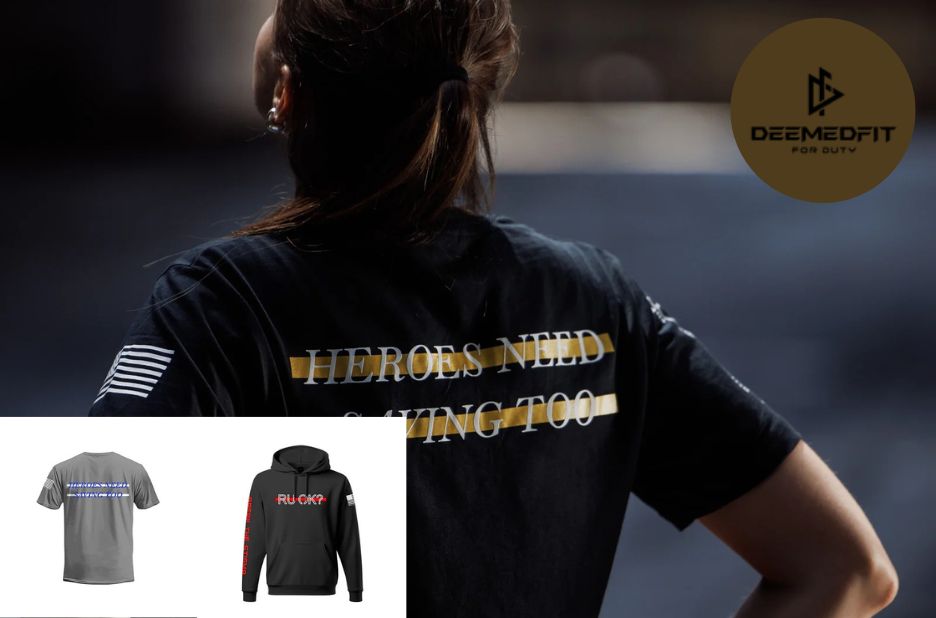
Frontline roles demand resilience and steady judgment, yet the mental toll can be significant. A practical approach combines supportive conversations, accessible resources, and purposefully designed apparel that signals care without stigma. The aim is to create an environment where officers and first responders feel Mental Health Awareness Apparel For First Responder seen, supported, and able to perform at their best. This section sets the stage for understanding how apparel choices can reinforce wellbeing, reduce barriers to seeking help, and align with broader health initiatives across teams and departments.
Practical benefits of dedicated wear
Specialised clothing and gear can act as a daily reminder to prioritise mental health, while also offering functional benefits such as moisture control, durability, and comfort during long shifts. When apparel supports alertness, recovery, and stress Law Enforcement Fitness Apparel management through thoughtful design, it becomes a workplace tool rather than a mere uniform. The right fabrics and fits help ease fatigue and promote a calmer mindset during demanding operations.
Visibility and stigma reduction
Choosing branding and messaging that normalises mental health conversations is a small but meaningful step. By including unobtrusive symbols or phrases that convey support, departments can foster open dialogue without singling anyone out. It’s about creating a culture where seeking help is viewed as a strength, not a vulnerability, and where peers can actively check in on one another during challenging missions or after difficult incidents.
Mental Health Awareness Apparel For First Responder
Law enforcement teams benefit when wellbeing initiatives are integrated into daily life, including the clothing worn on duty. Structured programmes, peer support networks, and accessible confidential resources empower personnel to address stress, grief, and trauma proactively. This attire category blends function with a message of resilience, offering options that are appropriate for training, low‑visibility operations, and community engagement alike. Thoughtful design supports consistency across shifts and units, reinforcing a health‑first mindset.
Law Enforcement Fitness Apparel
Fitness apparel tailored for officers supports physical readiness, a crucial companion to mental resilience. Breathable fabrics, ergonomic seams, and stretch materials improve mobility during fitness tests and endurance drills, while layered systems keep warmth and comfort in variable climates. A well‑chosen line of clothing also communicates an institution’s commitment to overall wellness, bridging the gap between physical fitness and mental health to sustain performance over time.
Conclusion
Integrating mental health friendly apparel with supportive programmes creates a practical, everyday approach to wellbeing for those who serve. By combining comfort, durability and calm‑forward messaging, departments encourage ongoing conversations about stress, trauma, and resilience. DeemedFit