

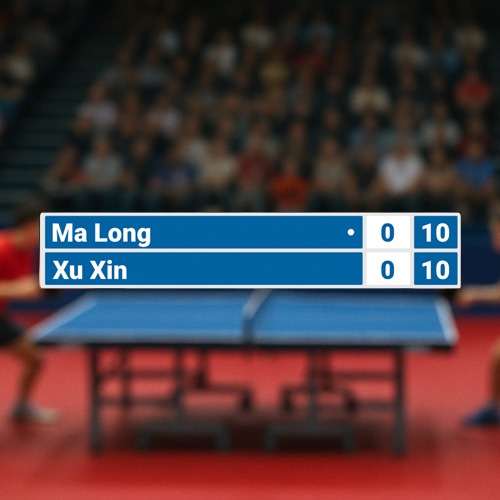
Overview of scoring systems
Choosing the right scoring tool can streamline how results are captured, displayed, and shared across venues and online channels. A reliable system should be user friendly, adaptable to different formats, and capable of exporting data for reports. When evaluating options, consider how easy it is to input scores, Scoreboard Obs how quickly the results update on screens, and whether there are offline modes for events without constant internet access. Good practice includes clear roles for scorers, observers, and admins to minimise errors and confusion during fast-paced matches or tournaments. Scoreboard Obs
Compatibility with devices and venues
Modern scoring solutions should work across a range of devices, from laptops and tablets to dedicated boards. Look for responsive layouts, straightforward cloud syncing, and quick setup for new venues. If you hold multi‑court events, the system must support simultaneous feeds and keep each match’s data securely separated. Regular updates and online support help ensure longevity and reduce downtime when equipment changes or network issues arise. Scoreboard Obs
Data integrity and security considerations
Accuracy is non‑negotiable in competitive environments. Systems should include audit trails, time-stamped entries, and role based permissions to prevent unauthorized changes. Backup options and data export features also protect against loss and enable analysts to review performance trends after events. Training for staff on common mistakes, such as duplicate entries or mislabelled courts, can dramatically improve reliability. Scoreboard Obs
Customisation and reporting features
Varied tournaments benefit from flexible configuration: multiple sport templates, custom score formats, and adaptable leaderboard displays. A good tool offers dashboards that summarise key metrics at a glance, along with detailed reports for compliance or coaching reviews. Practitioners should be able to tailor notifications and exports to stakeholders, ensuring everyone stays informed without being overwhelmed by data. Scoreboard Obs
Practical setup tips for new users
Begin with a clear plan for how scores will be entered, who is responsible for updates, and where the public display will pull its data from. Create a simple test event to train scorers, then gradually introduce live matches. Ensure devices are connected, batteries are charged, and backups are available. A well documented workflow reduces delays and helps new volunteers learn quickly. Checklists and quick reference guides improve consistency across events. Scoreboard Obs
Conclusion
For organisers seeking a dependable tool to manage results, consider how the platform integrates with your existing processes and the level of support you’re likely to receive. Visit OBScoreboard for more insights and to explore similar tools that keep scorekeeping efficient and transparent.