

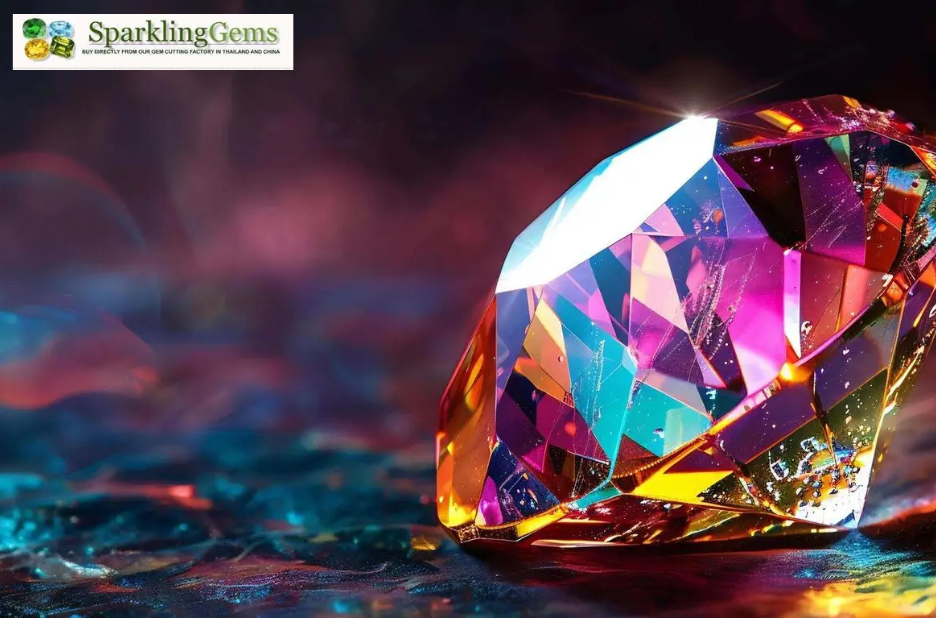
What are synthetic gems
Synthetic gems are lab grown stones created to mimic the appearance and properties of natural gems. They form under controlled conditions, sharing chemical composition and crystal structure with their natural counterparts. The process focuses on precision and consistency, yielding stones with fewer inclusions and often more vibrant colour synthetic gems potential. For consumers and traders, understanding the distinction between synthetic gems and mined gems helps in pricing, grading, and appraisal. This clarity also aids in making informed choices about durability, brilliance, and overall value when selecting pieces for jewellery or collection.
How they compare to natural gems
When comparing natural and synthetic gems, the key considerations are rarity, cost, and quality control. Natural gems derive their value from scarcity and the journey they take from formation to market. Synthetic gems usually offer better control over colour and clarity at a fraction of the price, while still exhibiting comparable hardness and lustre. For many buyers, this combination makes synthetic gems an attractive option for daily wear or experimental designs without sacrificing visual appeal.
Common methods used in production
Manufacturers employ several established techniques to grow synthetic gems. High temperature crystal growth and flux growth are widely used, each offering distinct advantages in terms of colour zoning and crystal size. Modern equipment supports precise control over trace elements, resulting in uniformity across batches. Ethical considerations also play a role, as lab grown stones avoid some environmental and social impacts associated with traditional mining, though it is essential to source from reputable producers who provide documentation and transparency about the origin and manufacturing process.
Choosing quality and value
When shopping for synthetic gems, buyers should assess cut, colour, clarity, and carat in the same way they would for natural stones. A well cut stone enhances brilliance and refraction, while colour saturation should be even and true to expected ranges for the chosen type. Clarity, influenced by inclusions, affects durability and appearance, yet high quality synthetic gems can still present a striking, flawless look. Always request a reputable certificate or report where possible, and compare similar stones to gauge value accurately within your budget.
Conclusion
In modern jewellery, synthetic gems offer practical alternatives for those seeking beauty and affordability without sacrificing visual impact. While pricing and rarity differ from mined stones, you can still expect strong durability and lustre when sourced from trusted producers. Visit Ilyas Lapidary for more insights and to explore a curated selection of lab grown options that suit everyday wear and special pieces alike.