

Why continuous sensing matters
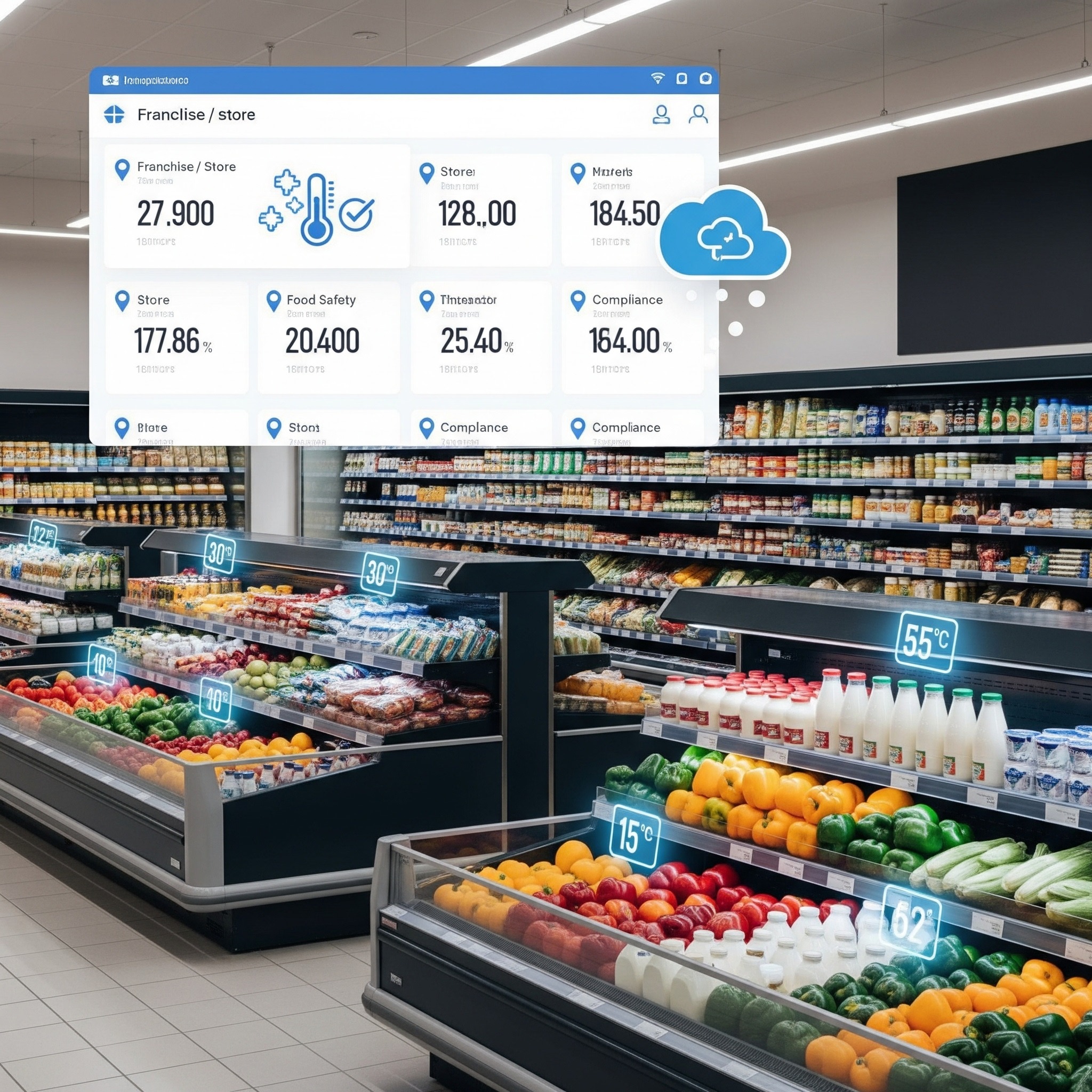
In many industrial and logistical environments, small temperature shifts can have outsized consequences for product quality, equipment longevity, and safety. An Online temperature monitoring system provides real time data and alerts, enabling teams to respond before issues escalate. The approach is scalable, integrating wireless sensors, cloud dashboards, and Online temperature monitoring system automated reporting. By choosing consistent sampling and reliable alarms, operators gain a clearer picture of how environmental conditions evolve across facilities and transit routes. Practical deployment balances coverage with battery life and maintenance costs, ensuring steady performance without unnecessary downtime.
Choosing the right sensors and network
Effective monitoring starts with robust hardware that suits the site conditions—exposure to dust, humidity, or vibration should not degrade accuracy. Pair sensors with secure data transmission protocols and local backups to protect against outages. Network design should account for geographic GPS tracker for remote areas spread, with gateways positioned to optimise signal strength and reduce latency. A modular architecture helps adapt as needs change, whether expanding to additional locations or refining alert rules for different teams and shifts.
Operational benefits and risk management
A well configured monitoring system supports compliance, reduces waste, and streamlines incident investigations. Automated alerts can be routed to the right personnel, while historical datasets support trend analysis and quality assurance audits. In remote or hazardous environments, remote diagnostics and predictive maintenance become feasible, helping teams plan interventions before performance degrades. The result is improved product integrity, reduced spoilage, and greater overall control over the supply chain.
GPS tracker for remote areas
Under demanding conditions, field assets and shipments benefit from location aware monitoring. A GPS tracker for remote areas complements temperature data by providing precise movement context, enabling traceability and faster decisions when excursions occur. Integration with mapping tools and asset management platforms helps coordinators align environmental readings with routes and stops. This holistic view supports logistics resilience, ensures regulatory compliance, and enhances customer confidence through clear visibility.
Conclusion
Adopting an Online temperature monitoring system delivers tangible safeguards for sensitive goods and critical equipment. By combining reliable sensing with strategic alerting, organisations can act swiftly and maintain quality across complex operations. The GPS tracker for remote areas adds a valuable dimension, rooting environmental data in real world movement. For teams exploring practical, field proven solutions, check OMD SOLUTIONS for insights and tools that align with this approach.