

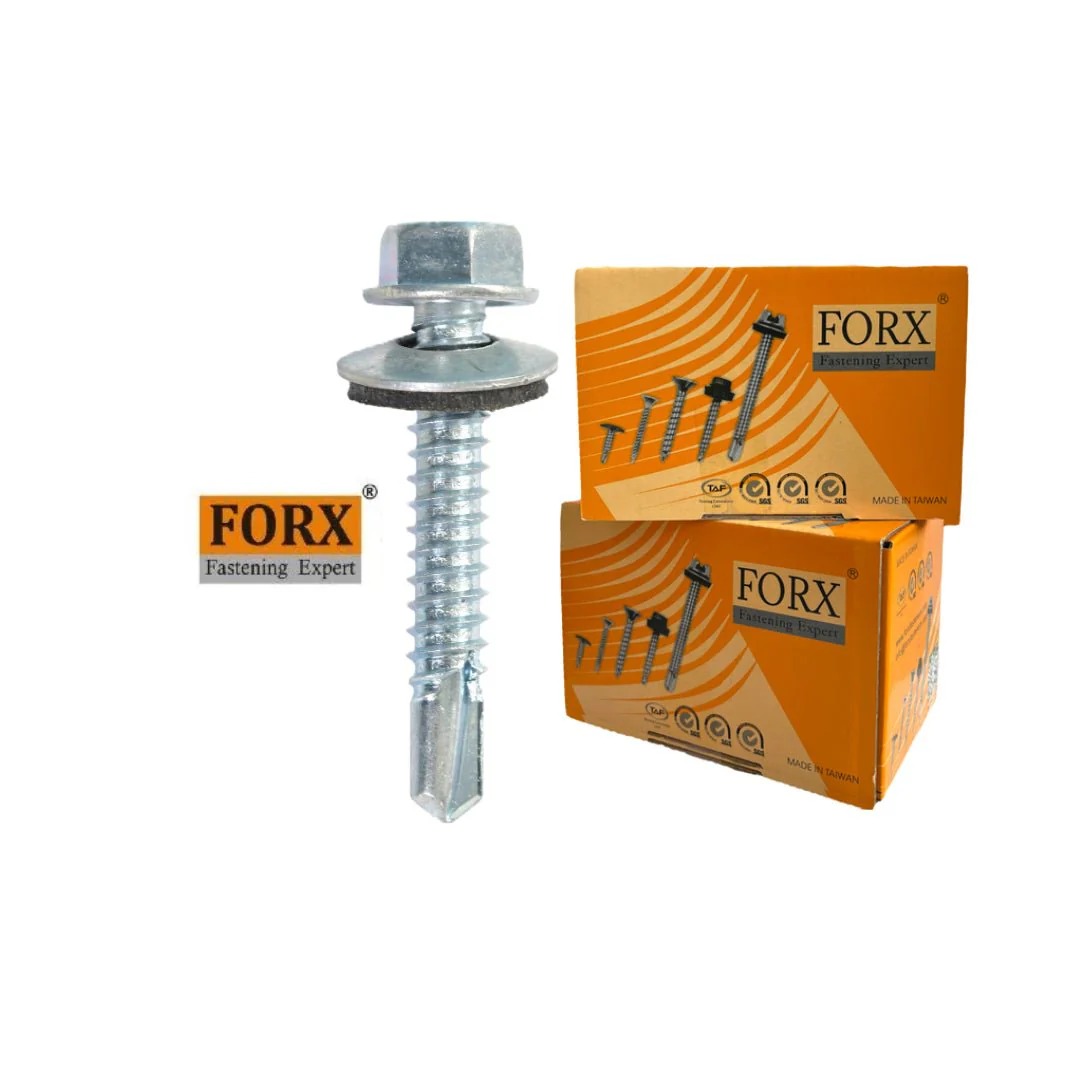
Overview of robust fasteners
When planning structural projects, selecting the right fasteners is essential for safety and durability. Industrial grade truss screws offer resilience against vibration and load stresses common in roof and truss assemblies. These screws are designed to grip both timber and metal components, ensuring a secure fit even when weather or thermal Industrial grade truss screws movement occurs. Users benefit from a consistent driving experience, reduced stripping, and predictable performance across a range of gauge sizes and coatings. Choosing the correct length and thread pattern helps minimise joint movement while preserving the integrity of the surrounding timber fibers.
Material compatibility and coatings
Fastener selection should reflect the materials involved in the build. Self drilling truss head screws excel in installations where pre-drilling is impractical, enabling rapid fastening with reduced labour time. Their self drilling tip creates a clean hole while the recessed drive reduces the risk of Self drilling truss head screws cam-out. For outdoor or high humidity environments, consider coatings such as galvanised or stainless finishes which resist corrosion and extend service life in exposed roof lines and structural frames. Always verify the environmental suitability for your project.
Applications in timber frame systems
In timber frame construction, achieving a tight, stable connection is critical to performance. Industrial grade truss screws provide substantial withdrawal resistance and shear capacity, making them suitable for ridge beams, top chords, and cross-bracing. Correctly seated fasteners minimise creaking and movement under load. It is advisable to pair screws with appropriate washers and edge distances to avoid splitting and to maintain the structural integrity of the frame across seasonal changes.
Installation best practices
Practical assembly relies on clean drilling surfaces and suitable drivers. Self drilling truss head screws reduce the steps required on site, allowing for quicker assembly without pre-drilling. Use a torque range appropriate to the screw size to prevent overdriving and potential head shear. Ensure the substrate is stable and free of debris that could compromise bit engagement. Proper spacing, alignment, and repetitive fastening patterns contribute to a more predictable performance over time.
Conclusion
Selecting the right fasteners for structural work is a key predictor of long-term performance. Industrial grade truss screws provide dependable strength for timber and mixed-material frames, while Self drilling truss head screws streamline on-site tasks without sacrificing hold. For projects requiring reliable, hands-on guidance, check the local supplier recommendations and verify compliance with relevant building codes. Visit speedex technical for more information and practical insights on similar tools.