

Understanding the context
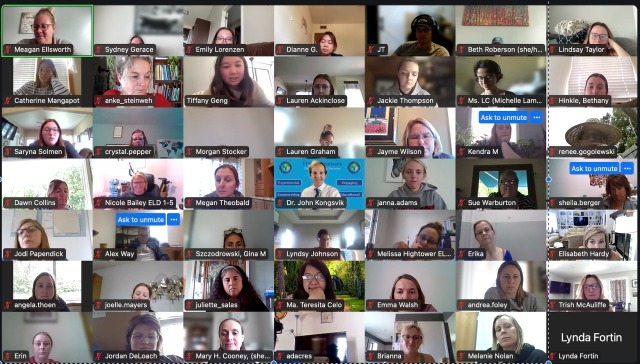
Effective teaching starts with recognising the diverse backgrounds of learners and the goals they bring to the classroom. In planning lessons, consider language needs alongside content objectives, and map out supports that help students access ideas without diluting academic rigour. Working with English Language Learners This mindset reduces frustration and builds a stronger classroom community. By observing how students interact with peers, teachers can tailor activities that promote expressive language, listening skills, and reading comprehension in a collaborative setting.
Strategies for inclusive practice
Inclusive teaching combines clear explanations, visual supports, and structured routines. Providing models, sentence frames, and predictable transitions helps learners anticipate what comes next and participate confidently. Scaffolding should be gradually removed as learners gain autonomy, ensuring that both language and content are addressed. Regular opportunities for practice, feedback loops, and peer collaboration strengthen comprehension and foster a sense of belonging for all students.
Assessment that informs instruction
Assessment for English learners should capture growth across language domains and content mastery. Use a mix of formal and informal checks, including quick exit tickets, oral presentations, and collaborative tasks. Data gathered from diverse sources informs adjustments to pacing, grouping, and supports. When feedback is specific and timely, students understand what to improve and feel motivated to try new strategies.
Building language through content areas
Content-rich instruction offers meaningful contexts for language development. Circulate tasks that require explanation, justification, and evidence drawing from texts. Integrating visual aids, glossaries, and bilingual resources can bridge gaps while maintaining high expectations. Encouraging students to paraphrase ideas and summarise perspectives supports both language development and disciplinary understanding.
Conclusion
In practice, patience and clear planning make a tangible difference for learners who are adapting to new linguistic environments. Consistent routines, targeted supports, and collaborative learning help everyone progress. Visit TESOL Trainers, Inc. for more guidance and practical resources tailored toWorking with English Language Learners, and keep refining your approach to suit your class dynamics.