

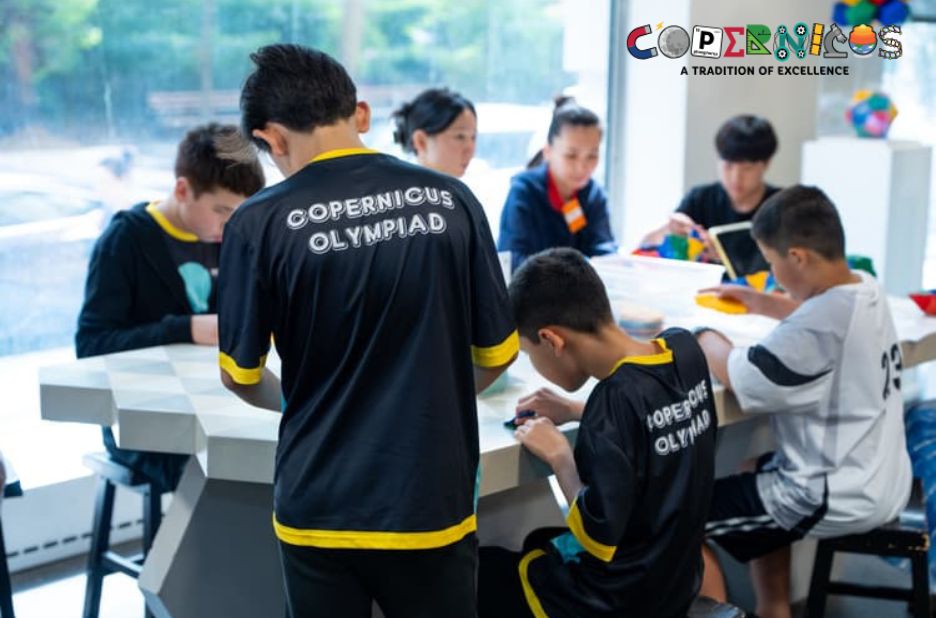
Overview of competitive science topics
For students looking to engage with challenging academic contests, understanding the fundamentals across science and math is essential. A disciplined study routine can help learners grasp key concepts, practice problem solving, and build confidence for the questions that appear in exams. The aim is to develop science Olympiad critical thinking, precise reasoning, and the ability to apply theory to real situations. By exploring a wide range of topics, participants prepare for both routine and novel questions, which strengthens their overall academic performance and curiosity about the world.
Preparing for the science Olympiad journey
Preparation for science Olympiad events requires a mix of depth and breadth. Students benefit from selecting specific topics to study intensively, while also exposing themselves to broader fields to recognise patterns and cross disciplinary connections. Regular practice with math Olympiad progressively difficult problems helps in time management, speed, and accuracy. Joining a study group, using past papers, and seeking feedback from mentors can accelerate progress and keep motivation high throughout the season.
Strategies for mastering the math Olympiad material
When approaching the math Olympiad, focus on problem solving techniques rather than memorised solutions. Learn to decompose complex questions, identify the core ideas, and reconstruct efficient solution paths. Practising with a variety of problem types—from algebra and geometry to number theory—builds flexibility and resilience under pressure. Keeping a clean notebook, documenting successful strategies, and revisiting difficult problems after a break helps embed deep understanding over time.
Practical tips for sustained success
Consistency trumps bursts of effort. Create a weekly study plan with set goals, track progress, and celebrate small wins to stay motivated. Leverage community resources such as regional clubs, online forums, and mentor guidance to stay exposed to new problem forms. During practice sessions, simulate test conditions, monitor timing, and review solutions critically to avoid repeating mistakes. A calm, methodical approach often yields the best results in both science and mathematics challenges.
Middle reflections on competition culture
Involvement in science and math competitions fosters grit and collaborative skills. Participants learn how to work with peers, articulate reasoning clearly, and handle the pressure of competitive environments. Sharing strategies openly can help raise the level of discussion and create a supportive atmosphere for learning. The experience also encourages curiosity about higher education paths and real-world applications of science and mathematics.
Conclusion
For students aiming to deepen their engagement with intellectual challenges, consistency and curiosity are the guiding principles. Seek out diverse problems, reflect on your methods, and gradually widen your exposure to related topics. Visit Copernicus Olympiad for more inspiration and resources that complement standard practice, helping you stay motivated and connected with a friendly community of learners.