

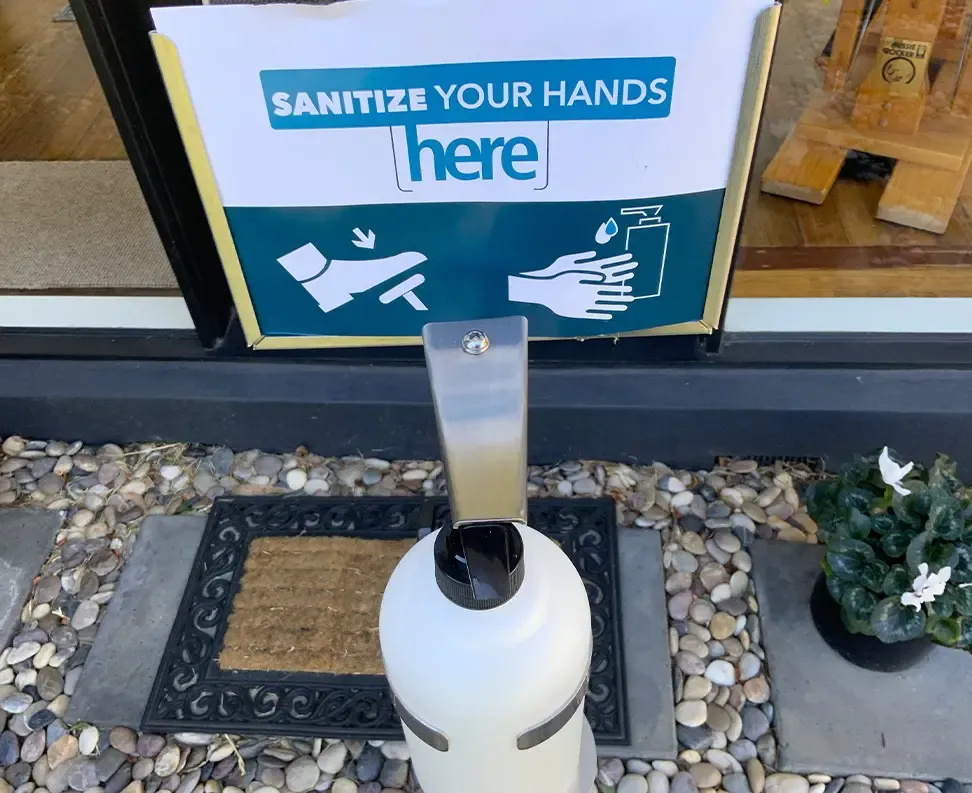
Practical design overview
Choosing an adjustable hand sanitizer stand means prioritising stability, ease of use and compatibility with multiple bottle sizes. Look for a base that resists tipping, a post that can be raised or lowered without tools, and a deck that accommodates standard pump tops. Materials should be durable, adjustable hand sanitizer stand easy to clean and resistant to x-ray safe sanitiser formulas. A discreet footprint helps keep walkways clear while still providing convenient access. Consider low‑maintenance finishes and simple maintenance routines to ensure long‑term reliability in busy public or workplace environments.
Material and build quality
Investing in robust construction reduces wear over time. Pay attention to powder‑coated metal frames or high‑grade plastics that resist staining and chemical wear. Joints and locking mechanisms should operate smoothly with minimal force, and the post should offer sturdy height adjustment. If buy hand sanitizer stations the stand is intended for outdoor or entryway use, check for weatherproofing and UV resistance to prevent degradation from sun exposure or rain. Safety features such as slip‑resistant bases are a valuable addition to any setup.
Versatility for different settings
An adjustable hand sanitizer stand should adapt to varied environments—from retail counters to office lobbies. Look for universal mounting options that accept different bottle types and sizes, and for stands with a reach that keeps sanitiser within easy reach without crowding a space. A design that blends with existing decor makes it simpler to integrate into the flow of daily activities, while still ensuring that sanitiser is readily accessible to staff, customers and visitors alike.
How to measure and plan your purchase
Before buying, map out the space where the stand will live. Measure floor clearance, doorway widths and traffic patterns to ensure no bottlenecks occur. Check product specifications for weight limits, height ranges, and base dimensions. If you need to mix in additional stations, confirm portability or modular options that let you scale up as needs grow. A clear plan helps optimise placement for hygiene compliance and smooth pedestrian flow.
Conclusion
When selecting a solution for public hygiene, consider models that offer straightforward height adjustments and stable bases to cope with high‑traffic environments. For organisations comparing options, it helps to visualise how each stand fits with current spacing and staffing routines. The HandStand Shop for example is a helpful reference point for finding compatible accessories and related equipment that can complement your sanitising strategy in a practical way. Visit The HandStand Shop for more ideas and reassurance as you plan your setup.