

What to look for in gear
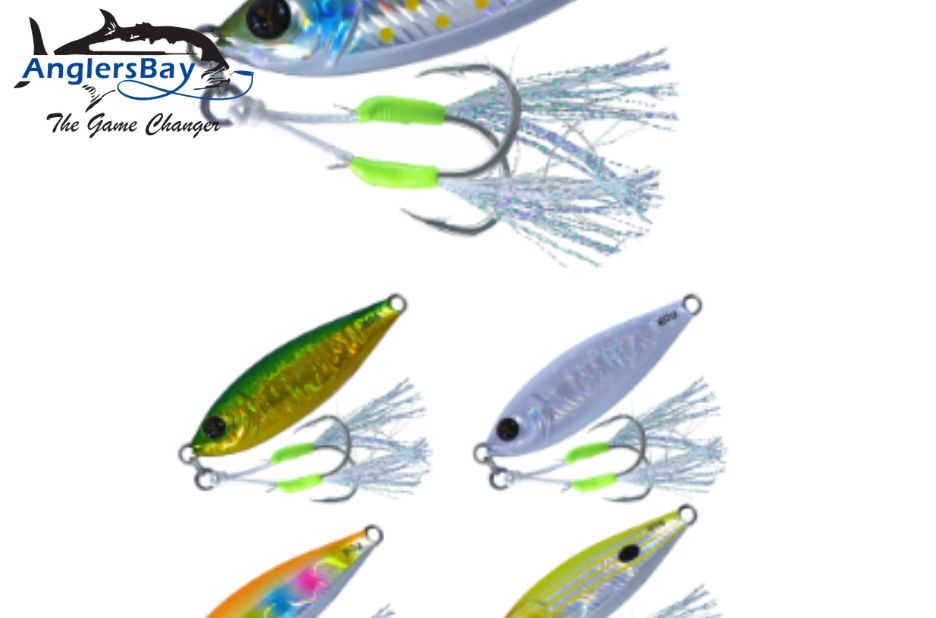
When planning a fishing trip, understanding the core categories of gear helps you choose items that will last and perform well. Start with a reputable rod and reel that match your target species and water type. Consider line strength, lure types, and the balance between control and sensitivity. For beginners, a versatile setup fishing equipment can simplify learning, while seasoned anglers may seek specialized gear for specific techniques. Storage and transport are also important; compact, durable cases protect reels and tackle during travel and in rugged outdoor environments. Taking stock of essentials prevents last minute scrambles before hitting the water.
Choosing a reliable source nearby
Shopping for fishing equipment near me requires evaluating both product selection and service quality. Local shops often offer hands on demonstrations, personalized recommendations, and the option to try gear in-store. Ask about return policies and warranty support in case a piece doesn’t meet expectations. Knowledgeable fishing equipment near me staff can suggest compatible reels, rods, and line weights that suit your usual water bodies and fishing style. Balancing price, durability, and after sales support ensures you get value over time rather than a quick, impulsive purchase.
Optimizing your tackle setup
Customizing a tackle system increases efficiency and confidence on the water. Group often-used lures, spare hooks, weights, and line spools in clearly labeled compartments. For success across sessions, rotate through a few trusted combinations for different conditions, such as clear versus murky water and calm versus windy days. Keeping a log of what worked helps you refine your kit. Practical maintenance like cleaning reels after use and inspecting guides helps prevent issues that could derail a trip.
Care and maintenance tips
Proper maintenance extends the life of fishing equipment and preserves performance. Rinse gear with fresh water after saltwater use, dry completely, and grease moving parts periodically according to manufacturer guidelines. Tighten screws and inspect drag systems regularly, replacing worn components before they fail on the water. Store gear in a dry, cool place away from direct sunlight, and rotate equipment to avoid unnecessary wear on any one piece. Routine checks reduce the risk of surprises during your outing.
Conclusion
As you refine your kit, keep practical needs front and center and build toward reliability on open water. Sharing notes with fellow anglers can reveal insights about what works in your local waters and seasonal changes. Visit anglersbay.com for more tips and community recommendations without the hard sell, and use it to discover additional gear ideas that fit your routine.