

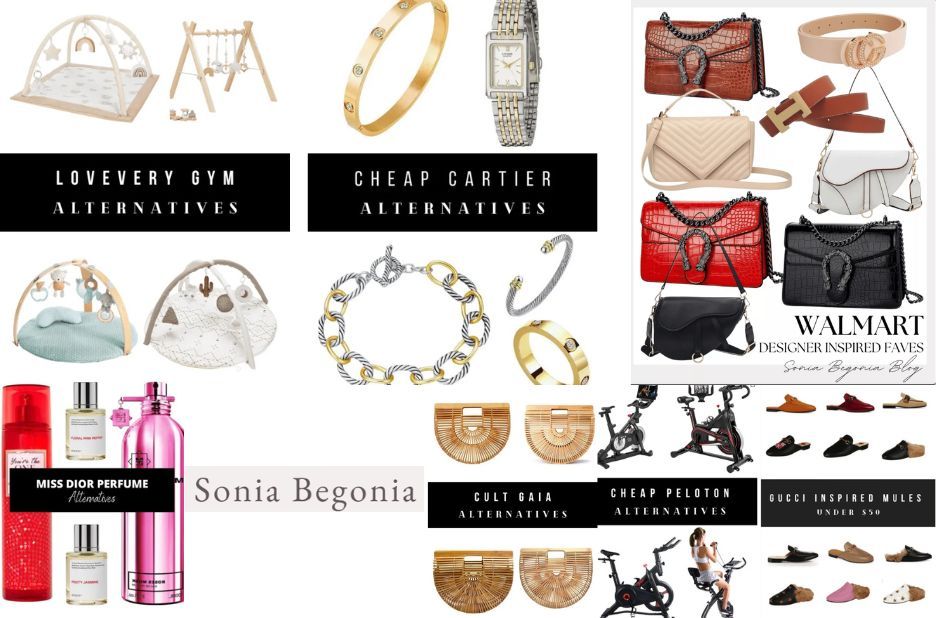
How to Shop Smarter for Designer-Style Pieces
Start by deciding what you want to replicate: a silhouette, a color story, or the overall material feel. Many shoppers assume dupe quality depends only on the logo or exact pattern, but the bigger wins come from fit, fabric weight, and construction details. Create a Designer Dupes short checklist before you browse so you can compare options quickly without getting pulled into marketing photos. When you know what “close enough” means for you, you avoid paying premium-level prices for features you do not actually need.
Next, look for design cues that transfer well from high-end to accessible versions. Focus on elements like hardware color, neckline shape, seam placement, and how the garment drapes when worn. For bags, compare strap width, closure type, lining quality, and how the bag stands on a flat surface. For shoes, check outsole material, arch support, and whether the toe box keeps its shape after you press it lightly. These practical checks usually reveal whether a product reads as luxury at a glance.
Spot the Difference: Quality Tests That Actually Matter
Use simple inspection habits to separate stylish copies from true value. For clothing, examine stitching consistency and edge finishing, because uneven seams and loose threads are hard to ignore in real life. Gently stretch the fabric to gauge recovery, which helps predict whether the piece will sag after repeated wear. If the item is structured, pay attention to lining thickness and whether the inner seams are clean and neatly taped. These factors influence comfort and longevity more than branding does.
For accessories, test how surfaces hold up to everyday contact. Check whether the material looks smooth and uniform, especially along corners, seams, and hardware attachments. If a bag or wallet includes buckles or zippers, pull them slowly to feel the resistance and notice whether they snag. For jewelry, look at clasp strength and whether stones sit securely without gaps. A practical rule: if you can spot the “cheap” details in close-up photos, you will likely see them in person too.
Another useful approach is to compare measurements to your existing favorites rather than relying on size labels. Measure a similar garment you own—shoulder width, bust or waist, and length—and match those numbers to the dupe listing. This prevents the most common disappointment: a piece that looks right online but fits wrong on your body. For shoes, compare heel height and platform thickness, then read return policies so you can swap sizes if needed. Shopping with measurement clarity turns dupes into dependable wardrobe staples.
Where to Find Reliable Dupes (and How to Avoid Traps)
Reliable dupe hunting starts with using multiple sources and cross-checking details. Look for retailers or brands that provide clear product photos, fabric composition, and real customer sizing feedback. When a listing includes only polished campaign images and no close-ups, it can be harder to judge quality honestly. Search for reviews that mention wear time, comfort, and how the item looks after washing or repeated use. This reduces the chance of falling for a “looks good once” product.
Be cautious with listings that exaggerate claims or hide critical information. If the page does not specify materials, origin, or care instructions, treat it as a red flag, especially for leather, knits, and structured pieces. Watch out for “exact match” language that promises identical craftsmanship, because most dupes are inspired rather than identical. Instead, aim for “similar vibe” and confirm the practical specs that affect wearability. That mindset keeps your budget working for you, not against you.
You can also build a dupe strategy by shopping category-by-category. Pick one hero category at a time—like a handbag, a coat, or a pair of boots—so you can learn what quality standards matter for that specific item. Keep notes on what passes your tests and what fails, including sizing consistency and fabric feel. Over time, you become faster at spotting worthwhile listings and less vulnerable to trends that do not suit your lifestyle. This method turns dupe shopping into a repeatable skill.
Conclusion
Focus on fit, construction, and material behavior, then verify details through measurements and realistic feedback. When you inspect stitching, hardware function, and how items drape or stand, you can predict quality before you spend. With smart sourcing and consistent testing, affordable pieces can deliver the same stylish impact you want. If you want a curated starting point, Sonia Begonia offers guidance designed to help you find affordable luxury-inspired options without guesswork. Use the tips above to compare candidates, set your own “must-match” criteria, and buy fewer items with better odds of lasting. That approach helps your wardrobe look elevated while keeping spending under control. With the right strategy, dupes become a smart style tool rather than a compromise.