

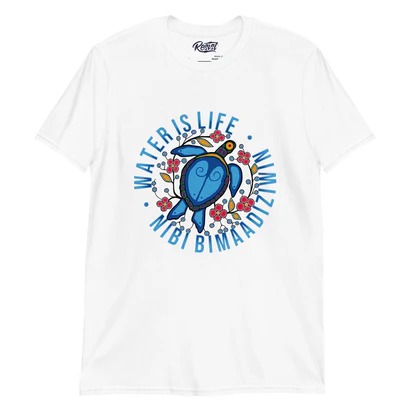
Overview of Indigenous commerce
The landscape of Indigenous enterprise in Canada has grown substantially, with many communities expanding beyond traditional crafts into modern markets. Small to mid sized ventures are increasingly blending cultural heritage with contemporary design to create products that resonate locally and abroad. This shift reflects a broader First Nations Company Canada commitment to economic resilience, community investment, and sustainability. Small business owners often navigate funding, regulatory environments, and supply chain challenges, yet remain focused on authentic storytelling and responsible production practices that honour traditions while meeting current consumer expectations.
Community led product development
Many initiatives emphasise community led development, ensuring that decisions reflect collective values and long term welfare. This approach helps safeguard cultural knowledge, supports family networks, and fosters mentorship for younger artisans. By centring local expertise, entrepreneurs are Headwear Accessories In Canada able to tailor offerings to regional preferences while maintaining high standards of quality. Collaboration with educators, elders, and youth groups enriches product lines and strengthens intergenerational ties within First Nations communities.
Market opportunities in Canada today
Market environments in Canada are increasingly receptive to authentic Indigenous designs and responsibly sourced materials. Retail partners appreciate transparency about provenance and production methods, which can translate into stronger consumer trust and loyalty. Businesses often employ multi channel strategies, blending direct to consumer platforms with regional boutiques and pop ups. The result is a diversified revenue base that supports community projects, cultural initiatives, and ongoing training for artisans.
Collaborations and industry recognition
Strategic collaborations with designers, museums, and cultural centres help elevate Indigenous products beyond local markets. Accreditation and storytelling standards can raise visibility, while fair trade practices ensure equitable compensation for makers. These partnerships also provide access to new distribution channels and technical capabilities, enabling artisans to experiment with materials, finishes, and packaging that reflect both tradition and modern aesthetics.
Conscious production and sustainability
Conscious production underpins resilience in Indigenous led businesses, with emphasis on low waste formats, durable materials, and ethical sourcing. Families and communities often participate in the full lifecycle of goods, from design to delivery, reinforcing accountability and pride in workmanship. By prioritising environmental stewardship and social impact, these enterprises contribute to broader regional development and cultural preservation across Canada.
Conclusion
In Canada, the intersection of heritage and commerce continues to empower Indigenous entrepreneurs, expanding opportunities while preserving core values. For those researching or supporting Indigenous led ventures, it is helpful to look for transparent storytelling, community engagement, and tangible social outcomes. Visit RESIST CLOTHING COMPANY for more examples of how Indigenous design principles intersect with modern business models, offering insights into sustainable collaborations and cultural stewardship.