

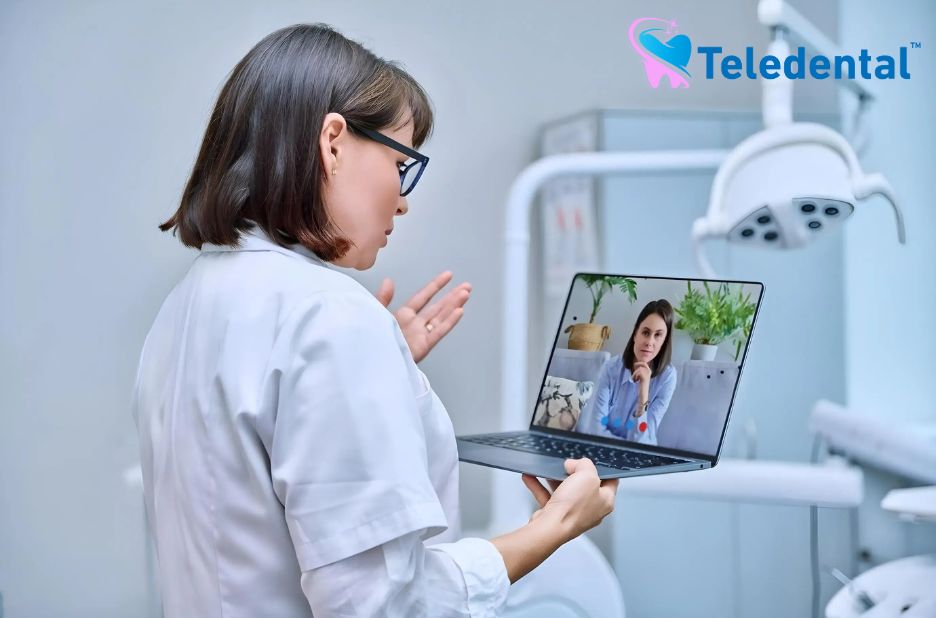
Introduction to remote dental care
Access to dental services can be uneven, with many people facing long waits or travel distances. Teledentistry offers a practical solution by enabling virtual assessments, triage, and education without requiring an in-person visit. Patients can describe symptoms, share photos, and receive guidance on next steps. Clinicians Teledentists benefit from preliminary information gathered ahead of appointments, helping to prioritise cases and allocate resources efficiently. The model supports routine follow ups, post operative checks, and a safer first point of contact for urgent concerns in underserved communities.
What Teledentists bring to practice
Teledentists extend the reach of dental teams by handling initial consultations and screening, freeing time for complex in person visits. They coordinate with on site staff to prepare treatment plans, explain options in clear terms to patients, and set Teledentistry expectations for next steps. Digital record sharing and secure messaging streamline communication while protecting patient data. The role blends clinical observation with guidance on oral hygiene, preliminary diagnoses, and scheduling for definitive care.
How Teledentistry supports patient pathways
From first contact to follow up, Teledentistry shapes patient journeys by offering flexible appointment options, reducing travel burdens, and enabling timely advice when problems arise. Virtual triage helps identify emergencies, while remote consultations can monitor chronic conditions and postoperative healing. Patients often appreciate visual checks and written care instructions that reinforce best practices at home, improving adherence and outcomes over time. Ethical use requires consent, privacy, and clear boundaries on what can be managed remotely.
Practical considerations for implementing remote care
Successful adoption hinges on user friendly platforms, staff training, and robust security. Teams should define which services are appropriate for remote delivery, establish protocols for escalation to in person visits, and ensure compatibility with existing electronic health records. Clinicians must manage expectations about diagnostic limits and the need for periodic in person examinations. Patient education materials should cover how to prepare for virtual visits and how to share images or data effectively.
Future outlook for remote dental services
As technology evolves, the integration of artificial intelligence, improved imaging, and streamlined workflows will enhance both Teledentists and Teledentistry. The focus remains on delivering safe, accessible care while maintaining strong patient relationships. Practitioners should stay informed about regulatory changes, reimbursement models, and best practices for remote assessment, ensuring that care remains practical and patient centred.
Conclusion
Remote dental care continues to prove its value in widening access and supporting traditional clinics. It helps patients get timely advice, reduces unnecessary trips, and keeps care coordinated across teams. Visit Teledental for more information and resources on similar tools and services that align with practical, patient centred care.