

Overview of the market
The region offers a diverse range of projects that drive local growth, from urban redevelopment to rural infrastructure upgrades. Professionals in civil construction roles can expect steady demand as municipalities prioritise safe, efficient transportation and resilient public spaces. Entry paths vary, with technical diplomas, apprenticeships, and degree programmes all Civil Construction jobs Washington providing routes into the industry. Employers value practical problem solving, safety awareness, and the ability to collaborate with engineers, surveyors, and site teams. For job seekers, understanding prevailing project types helps tailor CVs and cover letters to match the sector’s needs.
Key project sectors in Washington
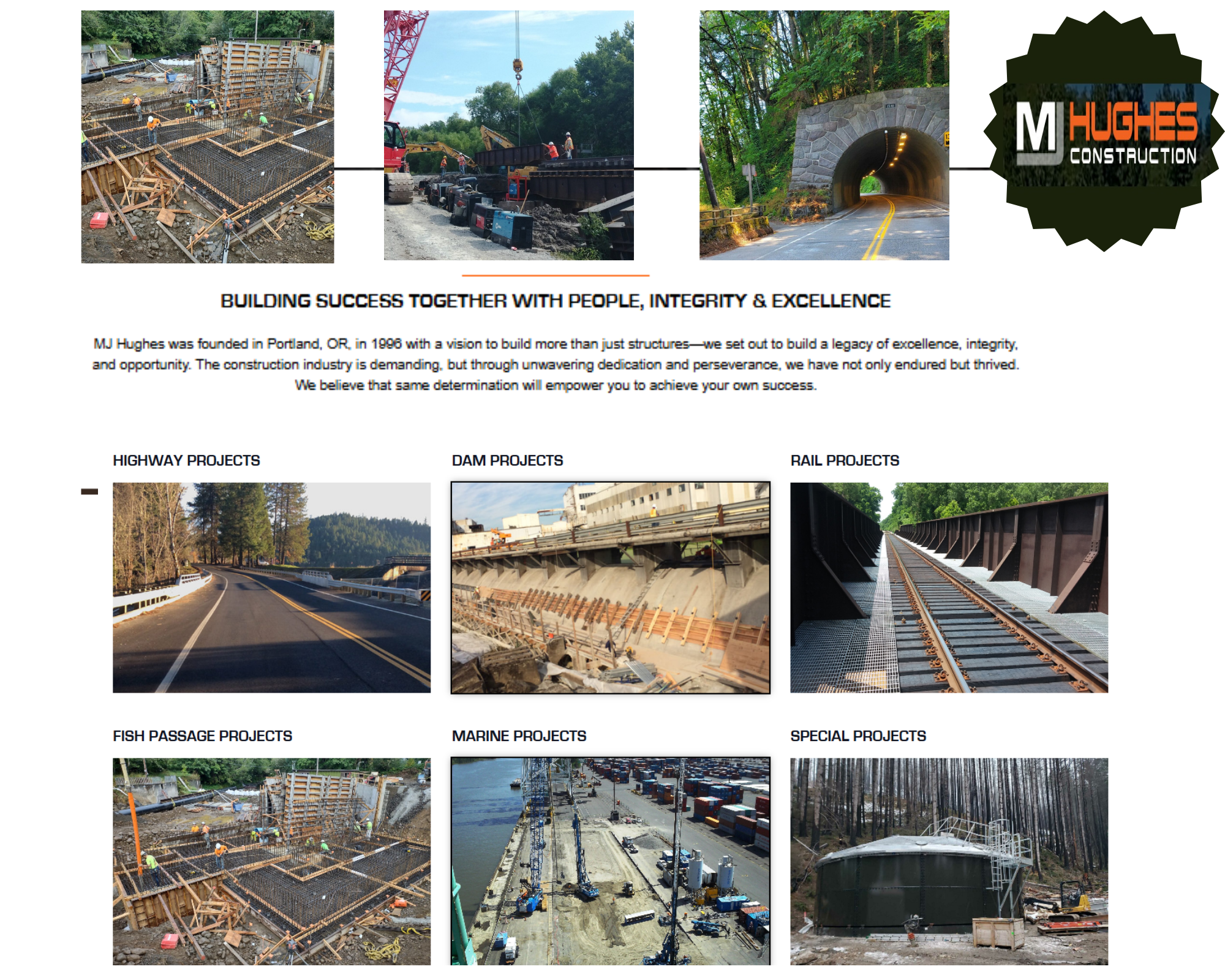
Major infrastructure investment focuses on road networks, drainage systems, and bridge maintenance. In addition to highways and arterial streets, there is growing work in utilities installation, stormwater management, and urban flood mitigation. Construction managers coordinate multiple trades on site, Infrastructure construction jobs Washington while technicians and skilled tradespeople perform essential tasks such as concrete placement, excavation, and steel fixing. The sector rewards accuracy, timeliness, and a proactive safety culture on busy sites across cities and counties.
Career pathways and qualifications
Several routes lead to rewarding roles in civil construction, including site supervision, estimator positions, and field management. Many jobs prefer practical experience alongside formal qualifications, such as CSkills or NVQ-equivalent credentials, plus on-site safety training. Apprenticeships provide hands-on learning while earning wages, and engineers with civil backgrounds contribute to design integration and project delivery. Networking with industry groups and attending local construction expos can uncover opportunities not listed on traditional job boards.
Job search strategies in the region
Targeting regional companies that operate on public works contracts increases interview chances. Create a CV that highlights project outcomes, safe work practices, and collaborative milestones. Register with local staffing firms specialising in construction, and use industry portals that publish live roles in infrastructure. Demonstrating familiarity with local codes, permit processes, and environmental compliance can set applicants apart. Being prepared for site-based assessments and problem-solving exercises is also valuable in the interviewing process.
Conclusion
Washington’s civil construction sector presents steady opportunities for skilled workers and those entering the field. By aligning experience with project types and safety standards, candidates can build a strong profile that resonates with employers across public and private sectors. Continuous learning and networking remain essential for progression, as does staying informed about upcoming tenders and regional priorities. mjhughes.com