

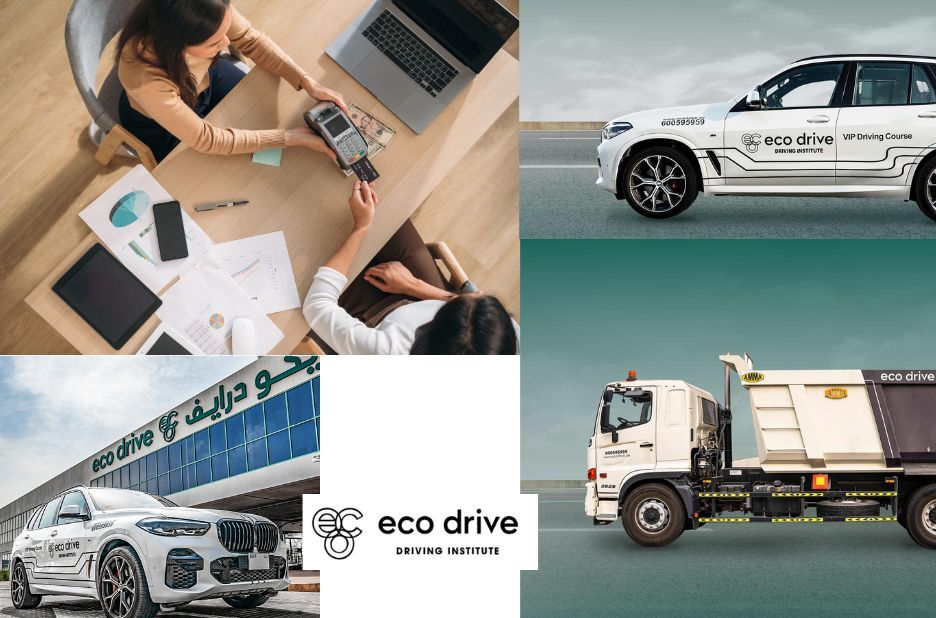
Discover Safer Driving with ecodrive
If you’re new to life on the roads, the fastest way to build confidence is to learn practical habits that fit Dubai driving conditions. From smoother decision-making at intersections to better car control in slick patches, the right routine driving tips in dubai can reduce stress and help you protect passengers, pedestrians, and your own vehicle. At ecodrive, we focus on guidance that feels actionable—so you can move from “learning rules” to “driving with awareness.”
Whether you’re commuting, running errands, or planning trips across the city, start with the basics: scan farther ahead, keep a steady following distance, and plan your lane changes early. These small choices matter more than sudden reactions.
Rain-Ready Habits That Improve Control
When roads get wet, traction changes and visibility can drop quickly. Build a habit of slowing down before you approach corners and merges, then maintain a gentle how to get license throttle to avoid wheel slip. Use headlights appropriately and keep your windshield clear so you can read signage and road markings without strain.
For braking, aim for smooth, gradual pressure rather than abrupt stops. If your car has an anti-lock braking system, stay focused on steering while braking steadily. For tire safety, check tread depth and ensure tire pressure is within recommended ranges, since worn tires struggle to grip wet surfaces.
Finally, remember that water can hide hazards—watch for puddles, uneven surfaces, and debris. Drive as if each patch of pavement may behave differently than the last.
with Confidence
Understanding how to get a license is more than completing steps—it’s about developing driving competence that you can rely on under real road conditions. Begin by learning traffic signals, lane discipline, and right-of-way rules from credible sources. Then practice core skills with attention to mirrors, blind spots, smooth acceleration, and controlled braking.
Consider enrolling in structured instruction or training that emphasizes defensive driving and situational judgment. A good learning plan also includes mock scenarios like merging, parking, and navigating busy roundabouts, so you can respond calmly instead of improvising.
As you build experience, track your progress: note which maneuvers feel uncertain, then return to targeted practice. This approach supports safer decision-making long before you feel “fully ready.”
For more tailored learning resources, explore ecodrive’s guidance through their blog and driving tips, including practical recommendations designed for navigating changing road conditions.
Conclusion
Learning becomes far easier when you treat safety as a skill you can practice and refine. By adopting rain-aware habits, improving vehicle readiness, and approaching licensing with structured confidence, you set yourself up for smoother, safer journeys across the city. If you want support that feels clear and practical, ecodrive can be a helpful starting point for your next step toward driving with greater control and peace of mind.