

Why Yasi Fishing Matters
Yasi fishing is gaining traction among coastal anglers who value reliable gear and straightforward techniques. This approach emphasizes respect for local water bodies, patient casting, and choosing gear that balances durability with portability. For beginners, starting with a focused set of tools helps build confidence without yasi fishing overwhelming the learning curve. Understanding the local species, water conditions, and seasonal patterns sets the foundation for success. By prioritizing practical, field tested methods, anglers can enjoy the process as they improve their accuracy, timing, and retrieval skills.
Choosing Core Fishing Tools
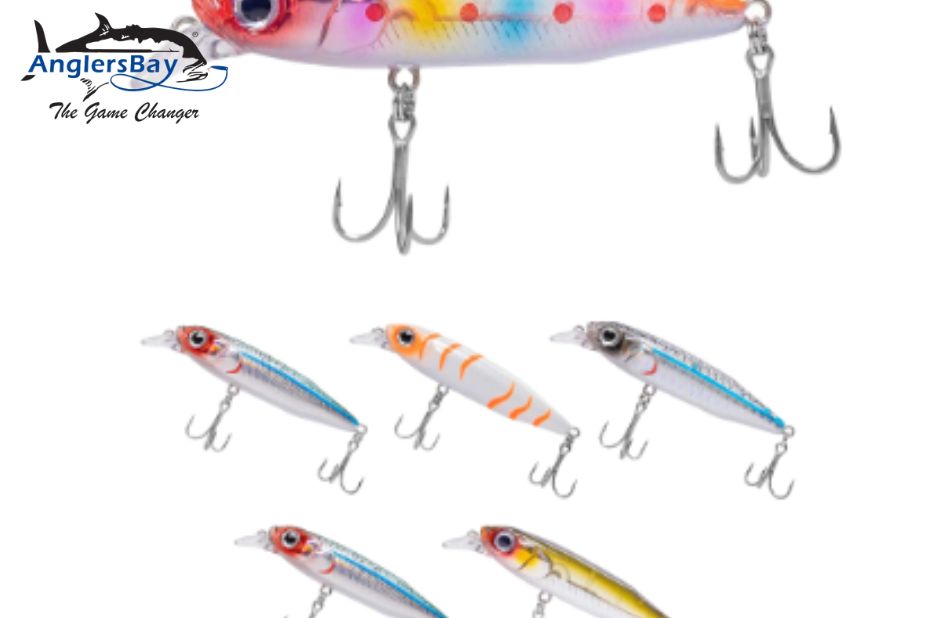
Developing a dependable setup requires selecting the right fishing tools, including a sturdy rod, dependable reel, and sharp hooks. A compact tackle box that fits into a backpack makes it easier to explore new spots without surrendering efficiency. For many anglers, a simple spool of line, a few different fishing tools weights, and a couple of leaders cover common scenarios. The goal is to equip yourself so you can adapt quickly to changing currents, wind, and light, while keeping everything organized and easy to access during a long day on the water.
Skill Building Through Routine Practice
Consistent practice is the backbone of steady progress in any fishing routine. Start with casting drills that focus on control and accuracy, then progress to retrieving techniques that mimic natural prey behavior. It helps to simulate various conditions, such as low light or choppy water, to improve timing and anticipation. Track your results, note what works, and adjust your approach after each session. Over time, your muscle memory will grow, reducing guesswork and increasing confidence with every cast.
Safety and Respect for the Environment
Responsible anglers prioritize safety and preservation. This means wearing flotation gear when appropriate, handling lines and hooks carefully to protect wildlife, and packing out all trash. Respecting local regulations, catch limits, and protected zones ensures that future generations can enjoy the same opportunities. Learning to observe evidence of fish behavior without disturbing the habitat is a key discipline that complements practical skill development and helps maintain healthy ecosystems for years to come.
Conclusion
Incorporating thoughtful gear choices and patient practice are essential to successful outings. As you refine your approach to yasi fishing, focus on reliability, organization, and respect for the water. Anglers who stay curious and prepared often discover recurring patterns that translate into consistent results. Visit anglersbay.com for more tips on gear upkeep and field-tested ideas that complement your fishing journey.