

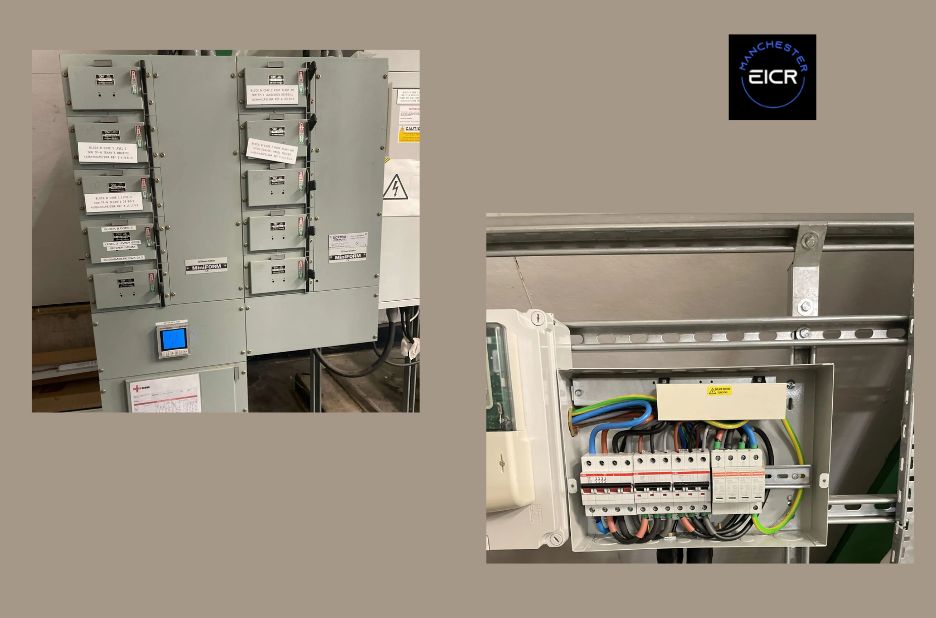
Manifold safety checks for warehouses
Maintaining electrical safety in industrial spaces requires a structured approach that covers fixed installations, electrical equipment, and the ongoing management of risks. A systematic inspection helps identify potential faults, overheating, and insulation wear, allowing owners and operators to address issues before they escalate. Practical planning warehouse electrical inspection Manchester includes scheduling, recording results, and ensuring that remedial actions are tracked. Regular checks also support compliance with relevant regulations and help protect staff, customers, and visitors who rely on safe electrical systems within commercial and storage facilities.
Why routine assessments matter for landlords
For landlords, proactive inspections reduce liability and support tenancy confidence. A planned program of testing not only demonstrates due diligence but also highlights any required updates to wiring, outlets, and protective devices. By aligning inspection schedules with use patterns—high landlord gas certificate Manchester traffic periods, seasonal peaks, and occupancy changes—property managers can minimise downtime. Documentation of findings becomes a valuable resource in lease negotiations and property records, showing a commitment to safety and regulatory adherence.
Details covered during a typical evaluation
A thorough assessment usually examines electrical distribution, circuits, and electrical equipment safety. Technicians verify that residual current devices function correctly, inspect cables for degradation, and check for signs of moisture or dust intrusion that could affect performance. The process includes reporting on any observed faults, recommending remedial work, and establishing a timetable for future reassessment. Clear, precise records help building owners coordinate improvements efficiently with contractors and utility providers.
Expectations for statutory compliance in Manchester
Property managers and owners should be aware of regional requirements governing electrical safety in commercial premises. Regular inspections support compliance with national standards while accommodating local rules and best practices. Scheduling inspections ahead of renewals, expansions, or alterations helps ensure that equipment meets safety expectations and that any non conformance items are addressed promptly by qualified professionals.
Conclusion
Maintaining a safe warehouse environment through regular checks minimizes risk for tenants, staff, and visitors while supporting regulatory compliance. Documented results and timely follow up actions help keep premises functional and compliant over time. Manchester EICR Limited