

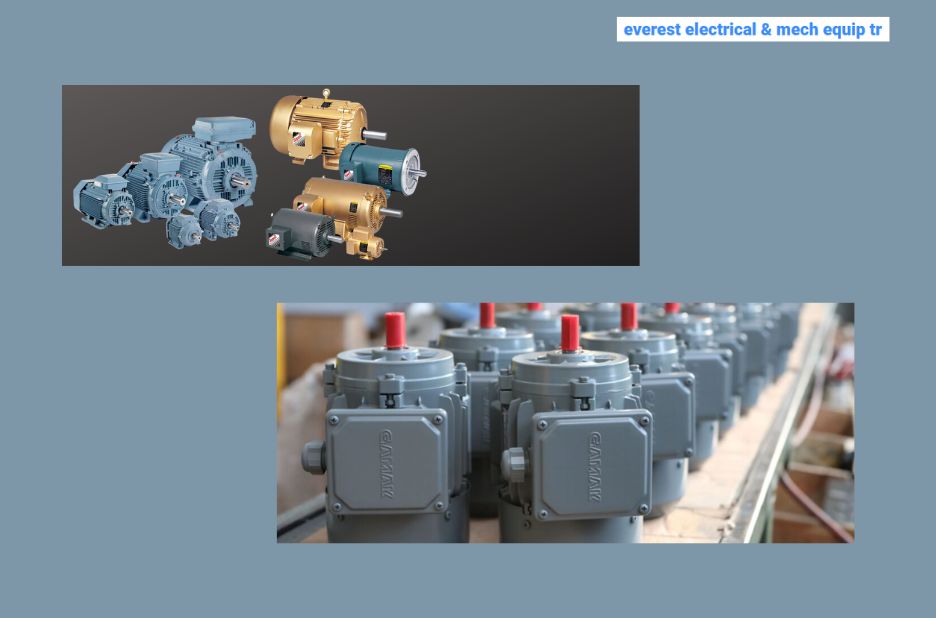
Overview of motor technology
Industrial machinery relies on robust drive systems to convert electrical energy into precise mechanical motion. A core component in many factories is a reliable motor that can deliver steady torque across varying loads. The selection process considers efficiency, control options, and maintenance induction motor needs. Operators prioritise predictability and long-term performance to minimise downtime and maximise productivity. Understanding how the different drive components interact helps engineers design efficient, easy-to-service systems that meet demanding production schedules while staying within budget constraints.
Key aspects of motion control
Achieving smooth operation requires a combination of accurate positioning, repeatable motion, and fast response times. Engineers choose compatible controls, feedback sensors, and mechanical assemblies to meet specific cycle times and load profiles. Proper alignment, appropriate hiwin ball screw lubrication, and regular inspection minimise wear and tear. Designers also plan for safety interlocks and fault detection to protect personnel and equipment during routine operation and potential abnormal events.
Role of linear components in systems
Linear motion solutions enable precise translation of rotary energy into straight-line movement. Components such as guide rails, ball screws, and actuators play a pivotal role in achieving high accuracy with modest energy input. The integration of reliable linear guides with robust drive systems supports applications ranging from pick-and-place to automated assembly lines. Ongoing maintenance keeps friction low and enhances lifespan, ensuring consistent performance across shifts and milestones of the production cycle.
Brand and maintenance considerations
Quality brands offer detailed specifications, service networks, and readily available spare parts. When selecting a motion solution, engineers assess compatibility with existing equipment, ease of installation, and cost of ownership over time. Regular preventative maintenance, including lubrication schedules and alignment checks, helps maintain accuracy and reduce unscheduled downtime. Training for operators and technicians also contributes to smoother operation and longer life for critical components.
Conclusion
Choosing the right combination of drive and linear components is essential for reliable performance in modern manufacturing. A well‑matched system delivers consistent positioning, efficient energy use, and straightforward maintenance. By planning for regular service, compatibility with control hardware, and proven mechanical interfaces, facilities can avoid costly interruptions and extend asset life. Everest Electrical & Mech Equip Tr LLC