

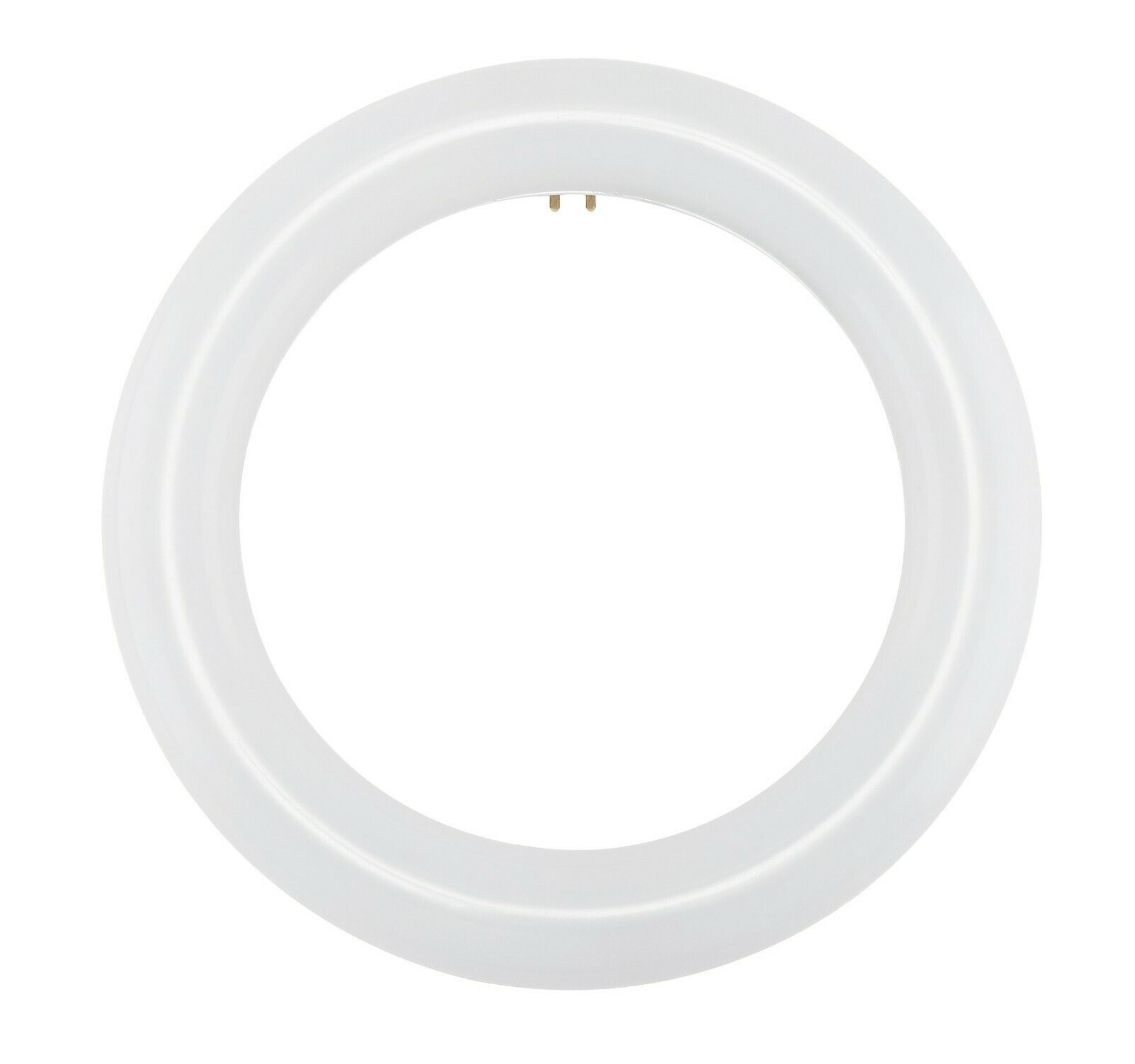
Overview of LED retrofit options
When considering modernising older lighting setups, the choice of LED replacements for tube-based fixtures is crucial. This guide focuses on practical strategies to select a suitable option that preserves light quality, dimming compatibility, and energy savings. By evaluating lumen output, colour temperature, and the form f26t8-cw-4 led replacement factor of available tubes, you can plan a retrofit that minimises downtime and ensures consistent illumination across commercial or residential spaces. Prioritising compatibility with existing ballasts and fixture housings can help avoid unnecessary accessory purchases and installation challenges.
Choosing compatible tube types for your fixtures
Different tube designs offer varied compatibility with traditional ballasts and electronic drivers. For reliable performance, identify your fixture model and the ballast type before selecting a replacement. In many cases, you will encounter tubes designed to work directly with f25t12/cw/33 led replacement existing ballasts or as ballast bypass options. It is essential to verify whether your space requires compatible dimming features, flicker-free operation, and instant-start capabilities to meet building code standards and occupant comfort.
Performance and efficiency considerations
LED replacements are judged by lumen output per watt, colour quality, and long-term reliability. When assessing options, compare initial cost against expected energy savings, maintenance intervals, and warranty coverage. A well-chosen LED tube should maintain brightness over its life while delivering a pleasant colour appearance that suits task lighting and general ambience. Consider heat management and thermal design as key factors that influence both performance and longevity in commercial environments.
Practical installation tips and safety factors
Preparation is critical for a smooth retrofit. Turn off power to the circuit, inspect existing fixtures for compatibility, and have the right tools on hand. If you are replacing tubes that rely on a ballast, confirm whether the project requires a direct-wire retrofit or a compatible ballast-friendly option. Replace gaskets and seals if needed to preserve fixture integrity and minimise dust ingress. Testing light output after installation helps ensure the space achieves the intended brightness and uniformity.
Conclusion
In summary, selecting the right LED replacement involves matching fixture type, ballast compatibility, and performance targets to your space. A careful comparison of lumen output, colour temperature, and warranty terms will pay off through lower energy costs and reduced maintenance. Visit New York LED Luminaries for more guidance and options that align with UK regulations and practical requirements.