

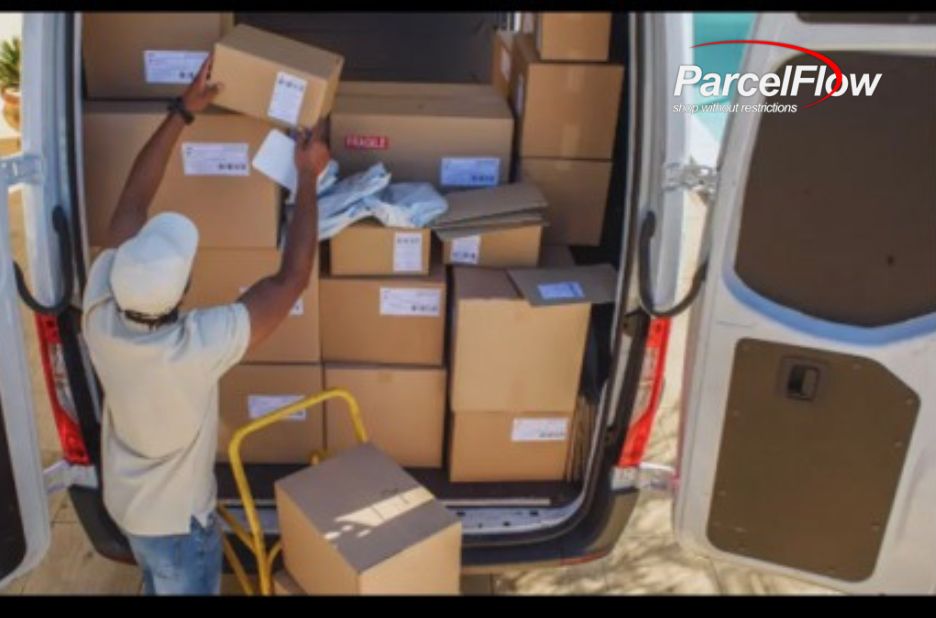
Overview of UK logistics options
For businesses navigating cross border trade and domestic freight, selecting a capable solution for international and domestic shipments is essential. This guide focuses on practical approaches to organising reliable distribution, customs handling, and timely deliveries while keeping costs predictable. By understanding the core principles of transport planning, Forward Shipping UK climate considerations, and carrier collaboration, companies can reduce delays, misrouted parcels, and unnecessary surcharges. The aim is to equip teams with a clear framework for assessing routes, modes, and service levels that align with operational realities and customer expectations.
Choosing a reliable partner for Shipping needs
When evaluating potential service providers, consider a mix of reliability, transparency, and scalability. A good partner will offer end to end visibility, flexible service options, and proven performance across lanes and seasons. It is important to review transfer procedures, packaging standards, and how escalations are UK Forwarding Company handled. Additionally, assess their capability to manage peak demand, fragile items, and compliance with regulatory requirements. A practical approach includes requesting performance dashboards, reference checks, and documented service level commitments to avoid surprises later in the process.
Operational considerations for efficient freight management
Effective freight management blends data driven planning with hands on execution. Start by mapping typical shipment profiles, transit times, and handling needs. Invest in route optimisation, real time tracking, and clear communication channels with customers and carriers. Efficient packing, palletisation, and label accuracy help prevent delays and penalties. Establish standard operating procedures for incident response, returns processing, and cargo claims. By documenting workflows and training staff, organisations can achieve smoother operations and heightened customer satisfaction.
Practical tips for risk mitigation and compliance
Risk management in logistics hinges on proactive planning. Identify common disruption points such as weather events, capacity constraints, and customs delays, and build contingency plans. Maintain up to date documentation, insurance coverage, and compliance checks for all shipments. Regular audits of carrier performance, route risk assessments, and incident reporting strengthen resilience. Transparent communication with customers about potential delays also reduces frustration and maintains trust during adverse events.
Conclusion
A thoughtful approach to shipping strategy balances cost, speed, and reliability within everyday operations. By selecting a dependable UK based partner and implementing clear processes for tracking, packaging, and incident response, teams can deliver predictable outcomes even when faced with peak periods. Parcel Flow