

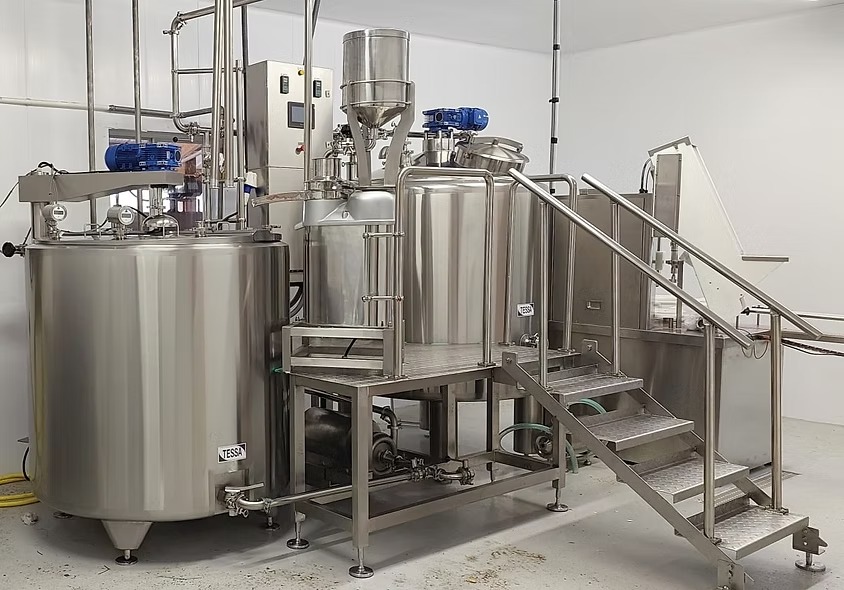
Overview of bottling systems
In modern dairy production, the right equipment dictates both quality and throughput. Milk processing lines demand reliable, low‑maintenance components that integrate smoothly with filtration, cooling, and packaging stages. When selecting a solution, operators look for consistency, ease of cleaning, and compatibility with existing control systems. A milk bottler filler robust approach combines modular design with validated sanitation processes, reducing downtime and ensuring regulatory compliance across multiple shifts. Exploring practical configurations helps teams tailor a setup that fits current demand while remaining adaptable to seasonal fluctuations and product changes.
Key features of reliable equipment
Critical aspects include accurate portioning and gentle handling to preserve flavour and texture. Equipment should deliver precise dosing, maintain uniform fill levels, and prevent air inclusion that can compromise product stability. Accessible cleaning access, sanitary surfaces, milk bottler and gasket integrity are essential for minimising microbial risk. Operators also value diagnostic tools that predict wear, support preventive maintenance, and provide actionable alerts to technicians without interrupting production flow.
Operating with a milk bottler
When integrating a milk bottler into a line, attention to flow control and head pressure helps maintain consistent fill rates. The system should accommodate varying bottle shapes and sizes while avoiding foaming and splashing during transfer. Documentation that outlines installation steps, calibration checks, and routine sanitation tasks empowers staff to sustain performance. Training on safe operation and lockout/tagout procedures further enhances reliability and compliance within the facility.
Maintenance and sanitation considerations
Sanitation plays a central role in dairy equipment longevity. Regular high‑level cleaning, followed by thorough rinsing and drying, prevents residual residue and odour development. Components such as valves, seals, and sensors require periodic inspection and replacement per manufacturer guidance. A proactive maintenance schedule—noting part lifespans and service windows—helps minimise unscheduled downtime and ensures that product quality remains high across batches and shifts.
Conclusion
Establishing a dependable bottling line hinges on compatible components, straightforward sanitation, and thoughtful integration with upstream processes. By prioritising precision, reliability, and staff training, plants can sustain high output without compromising product integrity. Visit Tessa Dairy Machinery Inc. for more insights on practical dairy solutions and equipment that support steady, compliant operations.