

Understanding local services
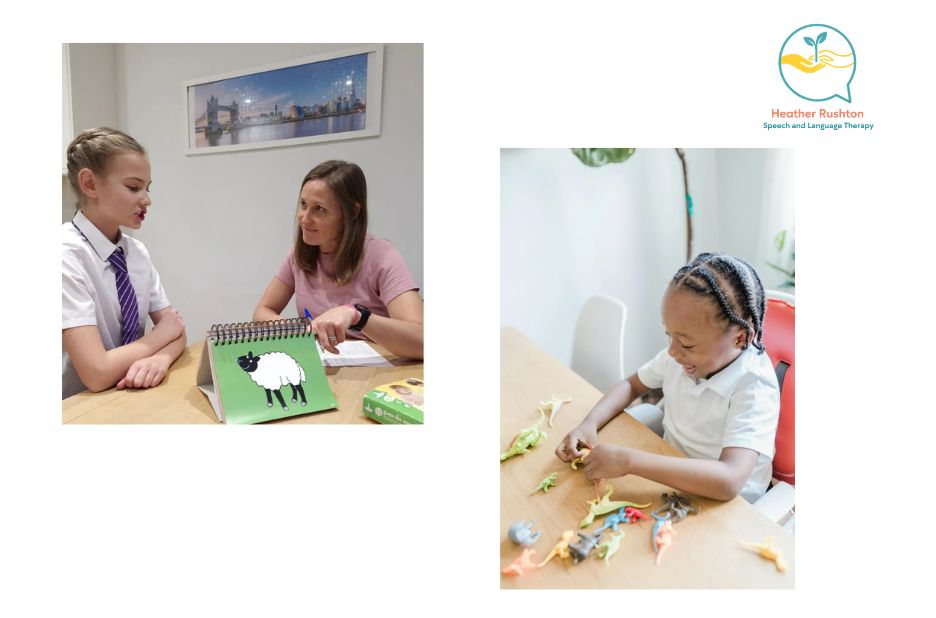
Finding the right support in a busy city can feel overwhelming. Parents and carers search for practical, evidence based options that fit daily life. A well structured approach emphasises early identification, clear goals and regular progress reviews. When therapy is tailored to individual needs, children gain Speech Therapy London confidence and communication becomes more natural in everyday settings. Local clinics in London offer assessments, personalised practice plans and structured sessions that integrate into home routines, schools and social activities. This practical framework supports steady, measurable improvements over time.
Choosing the right therapy option
Assessments typically cover speech clarity, language understanding, and expressive abilities. A skilled clinician explains results in plain terms, helping families decide on ongoing sessions, home practice and school liaison. Some individuals benefit from intensive Speech Therapy For Kids London blocks, while others prefer shorter, regular meetings. The best choice aligns with family schedules, budget, and the child’s motivation, ensuring that activities stay engaging and meaningful between sessions.
Support for families at home
Consistent routines at home reinforce progress made in sessions. Simple activities, such as playful articulation games, reading aloud, and structured turn taking, become effective practice without feeling like homework. Clinicians often provide practical tips for encouraging conversation in everyday moments—meals, travel, and playtime—so progress continues beyond the clinic. Empowering parents and caregivers is a core part of sustainable change in communication habits.
Community and school integration
Effective therapy extends into classrooms and community spaces. Therapists collaborate with teachers, speech and language assistants, and support staff to align goals with educational plans. This team based approach helps children generalise new skills across settings, reducing frustration and building consistency. London based services frequently offer joint sessions, resource packs, and follow up notes that keep everyone informed and engaged in the child’s progress.
Practical steps to begin
To start, contact a local provider for an initial consultation. Ask about assessment scope, session structure, frequency, and expected outcomes. Prepare a brief history of communication milestones, daily routines, and any concerns from teachers or family members. A clear plan, with measurable targets and regular reviews, provides reassurance that the journey is well supported and on track. Conclusion is next with a final note on specialist guidance and support.
Conclusion
Choosing reliable, compassionate support is essential for long term progress in communication. By working with qualified professionals who tailor strategies to the child and family, families can see steady improvements in daily interactions and confidence. Heather Rushton, Children’s Speech and Language Therapist