

Overview of Practical Storage
In many institutional settings, reliable storage is essential for crew gear, personal items, and equipment. Manufacturers design options that balance security, durability, and accessibility. When selecting units for daily use, it’s important to consider construction quality, ease of maintenance, and compatibility military lockers with existing spaces. Thoughtful design can minimize clutter while ensuring items stay organized and protected against damage from daily wear and tear. This section highlights key considerations without getting bogged down in overly technical jargon.
Durability and Construction
Choosing metal lockers involves evaluating metal thickness, door hinges, and locking mechanisms. Heavy-gauge steel and reinforced frames typically withstand frequent opening and closing, while corrosion-resistant coatings extend life in harsher environments. The best options resist dents and scratches from daily handling Metal lockers and frequent cleaning routines. When space is at a premium, compact footprints and modular configurations help fit typical room layouts while maintaining robust performance. The construction details contribute directly to long-term value and user satisfaction.
Security and Access
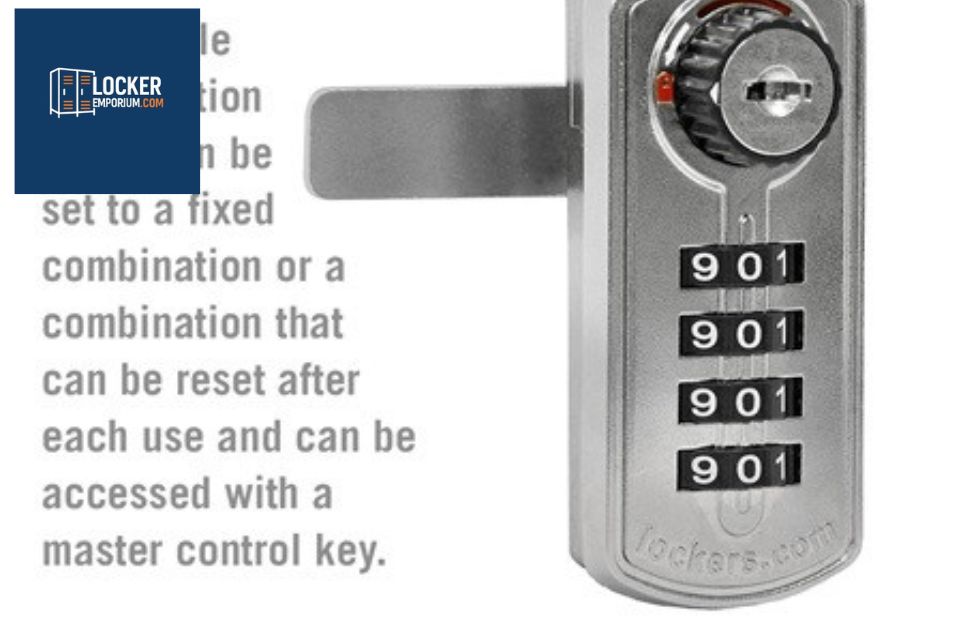
Security features are a central concern for any team or facility. Locking options range from simple padlocks to integrated high-security systems. The right combination offers quick access for authorized personnel and tamper resistance during off-hours. In high-traffic areas, visibility and ease of use matter, so lockers with clearly labeled compartments and smooth latch action reduce confusion and delays. Proper security design supports accountability and reduces the risk of misplaced belongings.
Adaptability and Versatility
Modern storage solutions emphasize modularity to adapt to changing needs. Some configurations allow adjustable shelves, removable partitions, and stackable units to maximize space. This flexibility is valuable for teams that rotate gear or shift workflows. Whether you need single-occupant units or rows for shared spaces, adaptable options typically deliver consistent performance across different environments and workloads.
Maintenance and Cost of Ownership
Routine upkeep extends the lifespan of metal lockers, keeping finishes pristine and doors operating smoothly. Cleaning with non-abrasive solutions and inspecting hinges periodically helps prevent rust and loosening hardware. While initial costs matter, the total cost of ownership should factor in longevity, warranty coverage, and the ease of replacement parts. Durable materials often translate to lower long-term expenses and fewer disruptions to daily routines.
Conclusion
For teams seeking reliable storage, prioritizing sturdy construction, secure access, and flexible layouts matters most. Evaluation should balance upfront investment with the lasting value of durable materials and thoughtful design choices. Visit lockeremporium.com for more insights and options that pair practicality with dependable performance, helping facilities maintain organized, efficient spaces.