

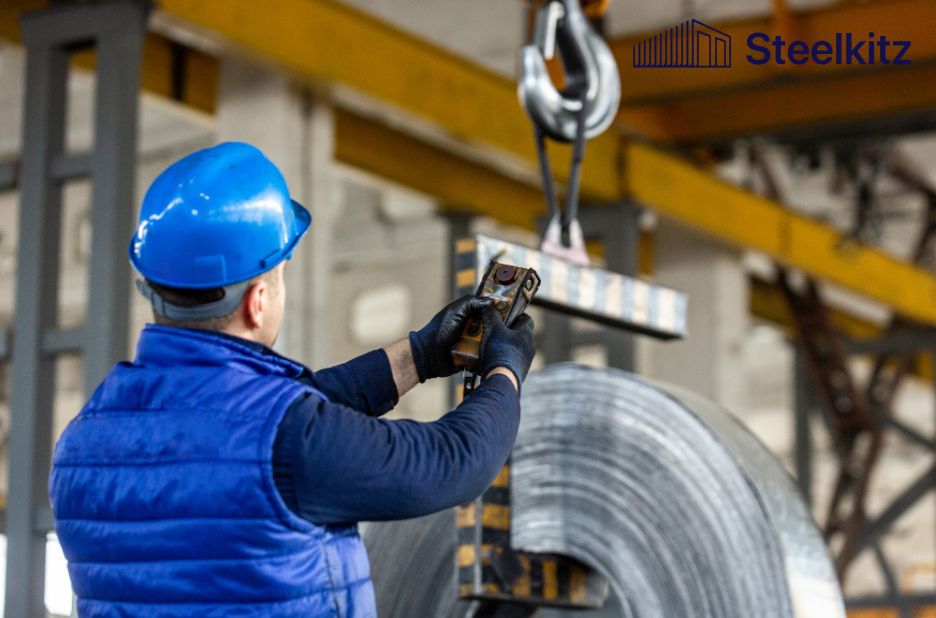
Overview of modern steel uses
For projects that demand durability and value, incorporating appropriate steel construction materials is essential. Builders often start by assessing structural needs, weight allowances, and environmental conditions. Material selection influences not only the integrity of the building but also long term maintenance costs. Precision in Steel construction materials choosing steel grades, coating systems, and fabrication methods helps ensure safety standards are met while maintaining project budgets. By understanding lifecycle performance, teams can plan for future adaptability and avoid unnecessary replacements or retrofits as designs evolve.
Durability and performance considerations
Durability is a cornerstone when evaluating steel construction materials, particularly in areas prone to corrosion or heavy loads. Factors such as galvanised coatings, weathering steel, and reinforced connections contribute to longevity. Performance expectations should align with intended service life, Steel cladding panels climate exposure, and maintenance schedules. Selecting the right alloy composition and protective finish reduces the risk of unexpected downtime and structural deterioration, supporting steady operation across decades without compromising safety or function.
Cost, supply chain, and sustainability
Cost analysis for steel construction materials must account for upfront pricing, transport logistics, and long term energy efficiency. buyers benefit from evaluating supplier stability, lead times, and compatibility with standard fabrication practices. Sustainable choices include recycled content, efficient welding practices, and design optimisation that minimises waste. A well documented bill of materials also aids project teams in forecasting budget variances and aligning procurement with construction phases to minimise delays and cost overruns.
Choosing cladding and protection options
Beyond the structural core, exterior cladding plays a critical role in performance and aesthetics. Steel cladding panels offer strong protection against the elements while enabling creative expression through finishes and textures. When selecting cladding, consider fire resistance, insulation compatibility, and ease of maintenance. Detailed inspection and coil coating options help ensure uniform appearance and long term protection against weathering, reducing repainting cycles and lifecycle costs.
Conclusion
Careful selection of materials supports safety, efficiency, and resilience in any steel framed project. By weighing alloy choices, protective systems, and fabrication practices, teams create durable structures that perform well under varying conditions. Check practical options for steel cladding and related components during planning to optimise installation outcomes. Visit Steelkitz for more insights and examples of how quality products complement thoughtful design and long lasting results.