

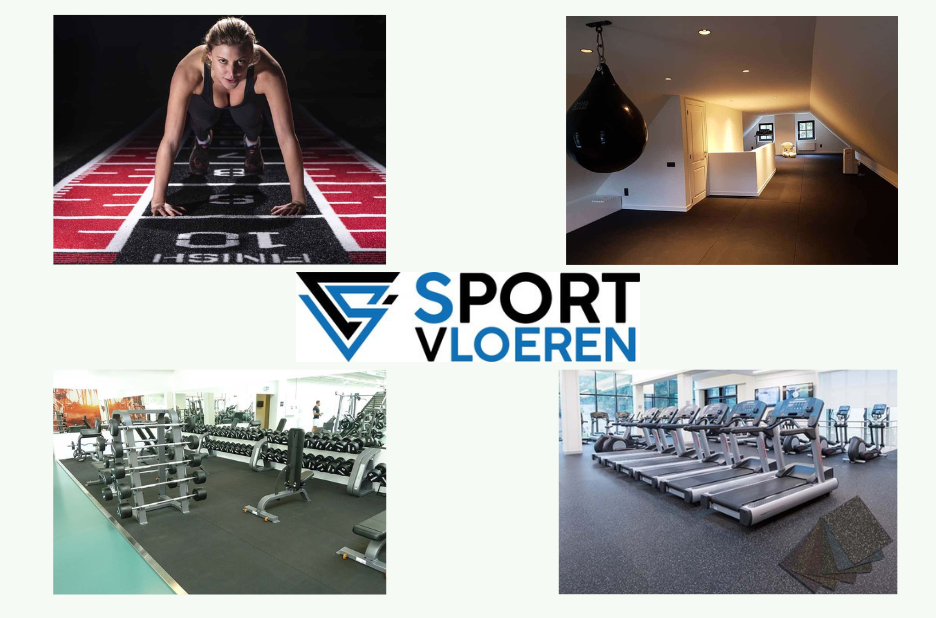
Why choose suited flooring
Selecting the right surface for training spaces is essential to protect joints, equipment, and flooring underneath. A well chosen option provides shock absorption, stability, and easy cleanability. For high impact activities, it is important that the surface balances grip with smooth Fitnessvloer roll-off for wheels and carts. When planning a new area or upgrading an existing one, consider the material’s durability, water resistance, and ease of installation to minimise long term maintenance and downtime between sessions.
Durability and safety considerations
Durable surfaces are designed to withstand dropped weights, heavy workouts, and repeated cleaning. Look for multi layer constructions that combine sound dampening with a hard wearing top layer. Anti slip properties reduce the risk of slips during Crossfit vloer dynamic movements, while edge profiles help prevent trip hazards along room borders. A good floor should also resist mould and mildew in damp environments, particularly in basements or garages used year round.
Sound and comfort in training areas
Sound control is frequently overlooked but makes a noticeable difference in shared spaces. A reduced impact floor helps minimise noise transfer to living areas or neighbours, creating a more pleasant training environment. Comfort underfoot also supports longer sessions, enabling athletes to train consistently without fatigue or discomfort. Modular systems offer flexible layouts to adapt to changing training needs and equipment footprints.
Maintenance and installation tips
Installation should follow manufacturer guidelines to ensure an even, secure surface. Regular cleaning with non abrasive products keeps the finish looking new and prevents slip hazards from grease or dust. If using rolling equipment, verify the subfloor is level and that the surface tolerates movement without tearing. Maintenance routines should be simple, with quick spot cleaning and periodic checks of joins or seams for wear.
Practical selection guide for fitness spaces
When evaluating options, compare thickness, density, and edge solutions to suit your space. For Crossfit sessions, verify the floor can absorb heavy impacts and support dense equipment layouts. For daily functional training, ensure a forgiving but stable surface that remains practical for mats and bodyweight exercises. Always consider budget alongside long term durability and installation ease.
Conclusion
Choosing the right surface design supports both safety and performance across varied training styles. Assess your space, check load ratings, and plan for future needs to maximise return on investment. Visit A&G Trading for more insights on compatible products and a range of options to suit different gyms and home setups.