

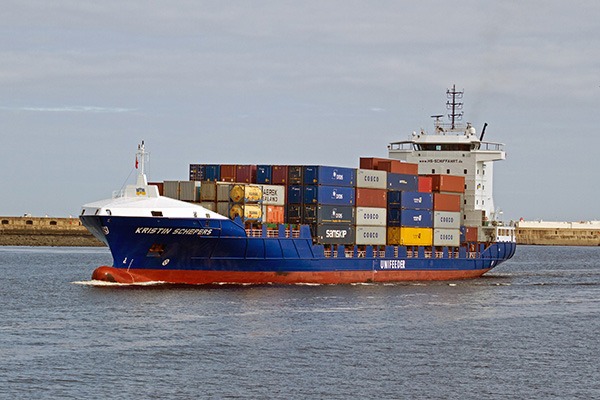
Overview of regional freight services
When businesses look to streamline shipments along the Atlantic corridor, choosing the right logistics partner in Miami is crucial. The city acts as a gateway between continental North America and international markets, offering a blend of port activity and air hubs. For many firms, a reliable operation combines sea freight with strategic air support to keep ocean air logistics miami inventory moving without disruption. In practice, this means evaluating carrier networks, contingency plans for weather, and access to modern warehousing that supports fast transfer of cargo from ship to air handling. Emphasis is placed on reliability, transparency, and predictable transit times for both imports and exports.
Choosing a balanced transport approach
Shippers often balance ocean and air options to manage cost and speed. An ocean-focused strategy provides capacity for heavy shipments and bulk goods, while air services accelerate urgent orders and high-value items. In Miami, logistics teams assess service levels, routing options, air freight miami and the availability of cross-docking facilities to minimise handling time. Decision makers also compare transit times, customs efficiency, and overall risk exposure to design routes that align with customer expectations and seasonal demand fluctuations.
Key components of efficient operations
Effective freight operations rely on real-time visibility and proactive planning. This includes tracking procedures, accurate documentation, and compliant packaging that protects cargo through multimodal transfers. A sharp focus on calendar management, rate stability, and contingency planning helps prevent delays. Modern providers also invest in skilled personnel and secure facilities to adapt rapidly to changing conditions, ensuring shipments move smoothly from origin to destination regardless of mode.
Technological support for performance
Adopting integrated software and data sharing between partners enhances coordination across ocean air logistics miami networks. Digital tools enable customers to monitor shipments, receive alerts about exceptions, and forecast delivery windows with confidence. Automation supports warehouse operations, loading accuracy, and route optimisation. As the industry digitises, prioritising data integrity and user-friendly interfaces becomes essential for maintaining trust and efficiency in fast-paced environments.
Towards resilient supply chains
Resilience in freight depends on diversifying routes, building strong carrier relationships, and pre-emptive risk assessment. Miami’s logistics ecosystem benefits from multiple airports and ports, which offer redundancy during peak seasons or disruptions. Firms that foster collaborative planning with suppliers, carriers, and customers reduce volatility and improve service levels. The goal is consistently reliable transit times, clear communication, and an ability to adjust plans without sacrificing quality or timeliness. Visit FRieght R US for more insights on compatible tools and services that support other shippers in this region.
Conclusion
For organisations seeking practical, cost-conscious solutions, pairing ocean freight with timely aerial options in the Miami area proves effective. By prioritising visibility, compliance, and flexible routing, teams can protect schedules, control costs, and respond to shifts in demand with confidence. ocean air logistics miami demands careful partner selection and ongoing performance review to sustain momentum over the long term. air freight miami