

What to know before purchase
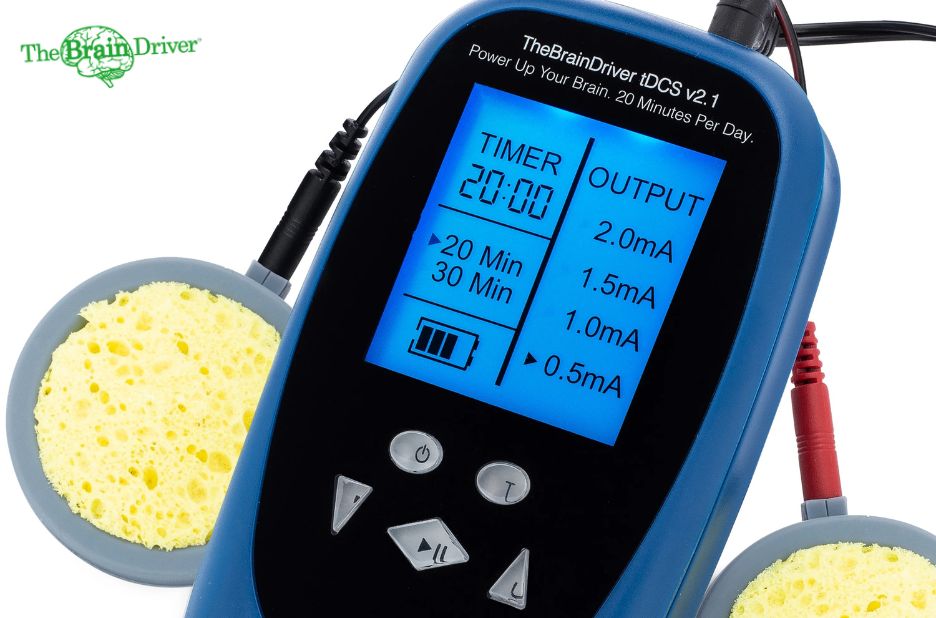
When exploring options for home neuromodulation, it is important to understand how devices are designed to deliver safe, targeted stimulation. Look for clear dosing guidance, adjustable current, and built in safety features. A well chosen option can support routine wellness goals, especially Consumer Tdcs Kit if you are managing symptoms that affect attention, mood, or sleep. Always consult with a healthcare professional to align usage with your personal health plan and to discuss any potential interactions with medications or other therapies.
Choosing a trusted kit for daily use
For those considering a consumer oriented aid, verify that the device is built with quality components, provides stable waveform output, and comes with accessible instructions for setup and operation. Consistency matters, so evaluate battery life, electrode options, and Chiropractic Treatment For Brain Injury Recovery the ease of cleaning. Reading user reviews and product literature can reveal practical insights about comfort during longer sessions and how the equipment holds up with regular use in real life settings.
Evidence and practical outcomes
While many users report improvements in energy levels, concentration, and overall mood, evidence varies and depends on individual factors. It can be helpful to track daily experiences, noting any changes in performance at work or during study, as well as sleep quality and daytime alertness. Complementary strategies like mindful breathing or structured routines can enhance any approach to brain wellness over time.
Carefully integrated routine ideas
Incorporating a device into a broader plan means coordinating it with other healthy habits. A regular schedule, a quiet workspace, and reduced screen overload can amplify benefits. If you are using a product marketed for stimulating cognitive function, pair it with avenues for physical activity, nutritious meals, and hydration. Small, repeatable steps create a sustainable rhythm that supports long term well being.
Getting support and staying safe
Access to professional guidance is valuable, especially when trying new modalities. If you experience any discomfort, skin irritation, or unexpected symptoms, pause use and consult a clinician. Safe practice includes proper electrode placement, avoiding oversaturation of the skin, and adhering to manufacturer guidelines. Keeping a log of symptoms helps both you and your healthcare provider review progress and adjust plans as needed.
Conclusion
Choosing the right tools for brain health involves careful evaluation of safety, practicality, and compatibility with your daily routine. For some individuals exploring targeted stimulation as part of a broader recovery or wellness strategy, integrating credible devices with professional advice can be a prudent step. Thebraindriver