

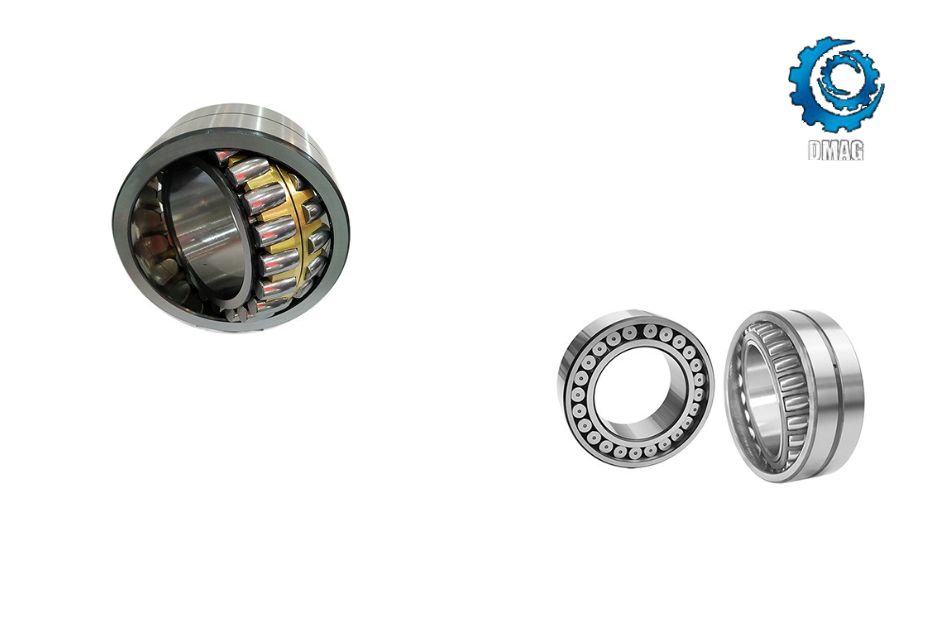
Overview of tiny precision parts
Engineers increasingly rely on compact components to achieve smooth motion in constrained spaces. Miniature assemblies deliver high stiffness and low friction, enabling repeatable performance in miniature machinery, medical devices and precision instrumentation. The design focus includes material choice, surface finish Miniature Precision Ball Bearings and tension management to maximise longevity while minimising play. In practice, manufacturers select bespoke combinations of bearing shapes and seals to meet specific load and speed requirements, ensuring reliable operation across varied environments.
Key performance benefits in small formats
Even in restricted channels, small bearings can provide excellent load carrying capacity, rigidity and accurate rotation. They minimise runout and thermal drift, critical for optical encoders and laser micromachining. Achieving these outcomes depends on tight linear ball bearing tolerances during production, rigorous testing and careful lubrication strategies. Users should assess operating life cycles and maintenance intervals to plan for predictable downtime and sustained accuracy in complex assemblies.
Applications across industries and systems
Applications span automated assembly lines, robotics grippers and high-speed scanning devices. In medical equipment, miniature components reduce footprint while maintaining precision essential to diagnostic procedures. For aerospace and automotive systems, compact bearings support actuators and steering elements where space is at a premium. The ability to tailor configurations makes them adaptable to a wide range of design constraints, from compact housings to extended service lives.
Considerations for selection and integration
When selecting a bearing solution, engineers balance size, stiffness, friction and compatibility with lubricants. Linear guidance systems benefit from components that minimise cumulative error over extended travel. Compatibility with existing mounts and seals is crucial to prevent contamination and corrosion. Thorough benchmarking across speed, load and environmental conditions helps mitigate unexpected wear and ensures consistent performance throughout the life of the product. DMAG BEARINGS
Conclusion
Choosing the right miniature components requires an integrated view of performance, reliability and manufacturability. By matching load profiles, speed ranges and environmental factors to suitable materials and tolerances, engineers can achieve durable motion in compact footprints. The right partner can provide customised portfolios that include both standard offerings and specialised adaptations, helping teams stay competitive while protecting their long-term investment in precision mechanisms. DMAG BEARINGS