

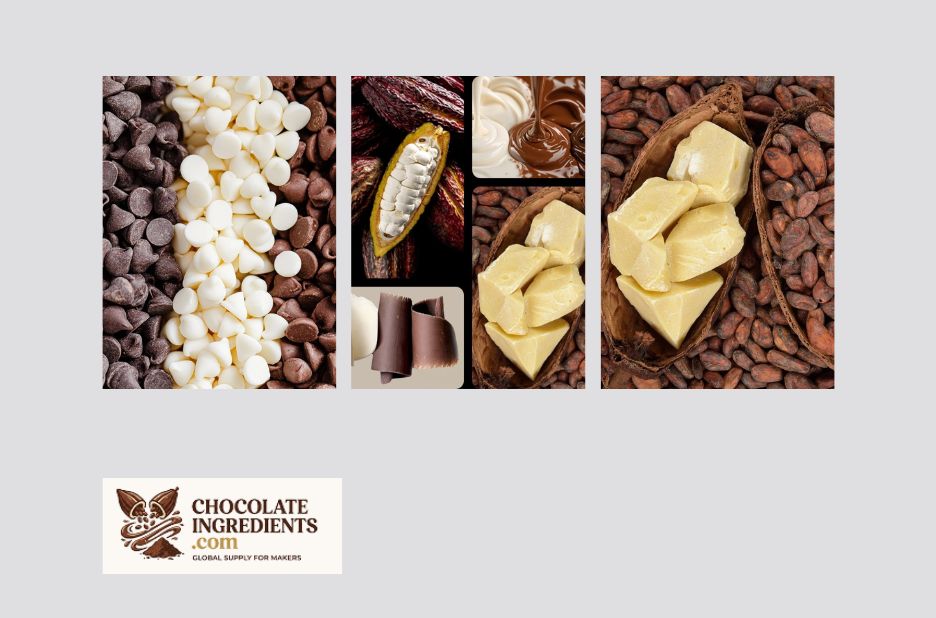
Understanding cocoa properties
Choosing the right fats and cacao content is essential for a smooth, glossy finish in your confections. By examining how texture, flavour and melting behaviour interact, you can tailor the base to suit both moulded chocolates and bar formats. The science behind fat crystallisation matters, cocoa butter for chocolate making guiding you’ll to stable chocolate with a pleasant snap and a clean break. This section explores practical indicators such as viscosity, tempering cues and how ambient conditions influence results, so you can plan your workflow with confidence.
Tools and technique for tempering
Success in home or small-batch production hinges on controlled heating and cooling cycles. A reliable thermometer, clean equipment and a steady workspace help maintain accurate temperatures during melt, cool and seed stages. Practice with small test chocolate making ingredients runs to fine tune the tempering curve, and remember that pre-crystallised fats respond differently in various environments. With consistent method, the chocolate develops a firm surface and a bright, uniform colour.
From seed to shine in batches
Seed tempering introduces stable crystals that drive reliable bloom resistance and shine. Start with minimal agitation at the critical moment when the cocoa solids and fats align. If you’re scaling up, uniform mixing and gentle stress management during cooling prevent streaks and rough textures. The approach balances ease of handling with professional-quality results in home studios or small kitchens.
Substitutes and practical swaps
Occasionally you’ll need alternatives to adapt to ingredient availability or dietary preferences. You can experiment with custom blends that maintain mouthfeel while accommodating substitutions, but stay mindful of how each change affects crystallisation and set. Documenting adjustments helps refine your process and preserves consistency across batches, particularly when you’re aiming for a signature finish in competitive recipes.
Quality control and storage tips
Cleanliness, stable ambient temperatures and proper storage are key to preserving the integrity of your chocolate. Protect from moisture and odours, and use airtight, well-sealed containers. Regular checks for bloom, texture and gloss allow you to address issues before the next run. Organisation at the bench level keeps production efficient and consistent, supporting a reliable end product every time.
Conclusion
Mastery comes from practice, meticulous recording and thoughtful adjustments to your methods. Keeping notes on temperatures, timings and observations builds a reproducible routine that yields dependable results. If you ever need reference points, you can rely on established guides and communities for support. Chocolate Ingredients