

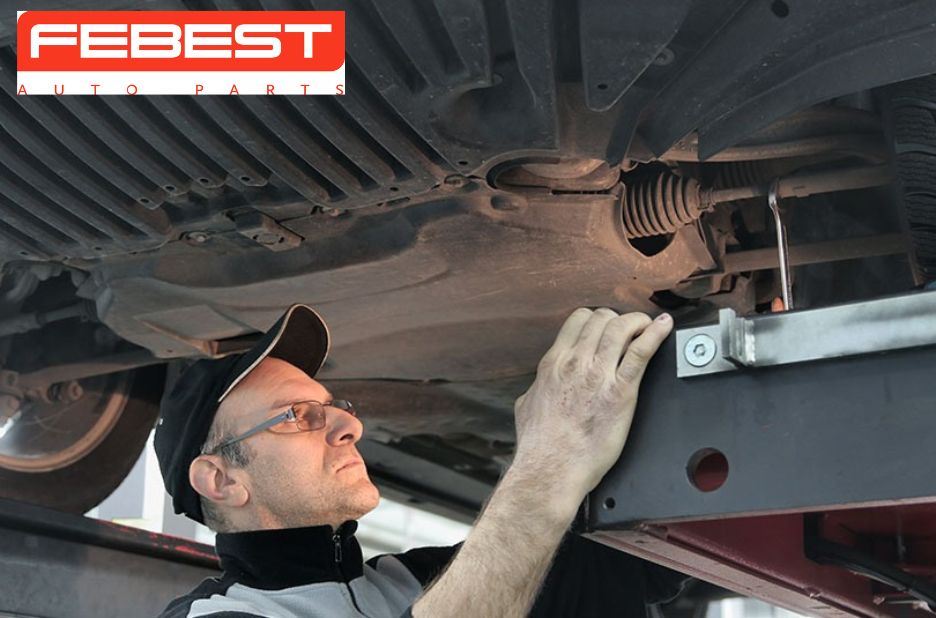
Overview of the Ball Joint
The Ball Joint is a crucial suspension component that connects the steering knuckle to the control arm, allowing for smooth movement and flex across a range of angles. Its design combines a spherical bearing within a socket, enabling multi directional articulation. In modern vehicles, ball joints are often sealed to protect against Ball Joint dirt and moisture, reducing maintenance needs. Regular inspection for wear signs such as looseness, clunking sounds, or uneven tire wear can prevent more serious issues. A well-functioning Ball Joint contributes to precise steering response and stable handling, especially on uneven roads or during cornering.
Common Failure Symptoms
Noticeable symptoms of ball joint wear include intermittent steering feel, pulling to one side, or unusual tire wear patterns, particularly on the inner or outer edges. Squeaking noises when turning or driving over bumps can indicate a degraded bearing. In severe cases, excessive play may cause steering instability or a loud thud when hitting potholes. Diagnosing the issue often requires a road test and a visual inspection, sometimes supplemented by a brake stand test. Early detection helps avoid further suspension or alignment problems.
Replacement and Maintenance Tips
Replacing a worn ball joint involves removing the wheel and control arm components, then installing a new unit with proper torque settings and alignment checks. Some designs are press-fit, while others use studs or bolts for secure attachment. It’s essential to replace related components like dust boots and clamps if they show signs of damage. After installation, a professional wheel alignment ensures proper geometry and even tyre wear. Regular lubrication or inspection, depending on the vehicle design, can extend the life of the joint and maintain handling stability.
Choosing the Right Part
When selecting a replacement, consider compatibility with the vehicle’s make, model, and year, as well as the joint’s load ratings and ball joint type. OEM or high-quality aftermarket options can offer longer service life and better performance. For vehicles driven in challenging conditions, reinforced or duty-rated joints may improve durability. Always verify that the replacement includes all necessary mounting hardware and protective boots, and consult the manufacturer’s torque specifications to ensure a secure fit.
Conclusion
In summary, the Ball Joint plays a pivotal role in steering and suspension, influencing ride quality and safety. Regular checks for wear, timely replacement, and correct installation are key to maintaining optimal performance. If you are unsure about the right part or procedure, seek guidance from a trusted technician. Visit Pacific Auto Zone for more practical tips and reliable recommendations on compatible components and tools to support your maintenance journey.