

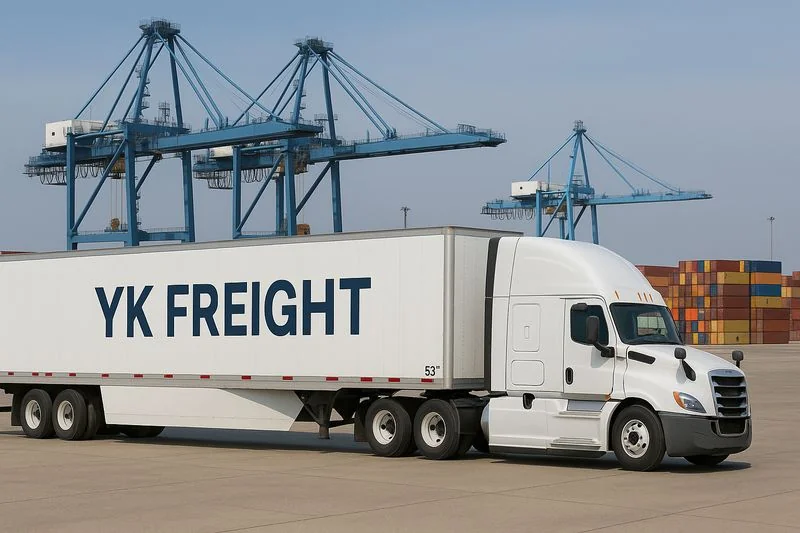
Industry overview for freight viability
In the dynamic landscape of freight and logistics, selecting a reliable carrier is essential for maintaining schedule adherence and protecting cargo. Businesses exploring long‑haul distributions should assess carrier stability, equipment availability, and service commitments. A practical approach includes reviewing whether a dry van trucking companies atlanta partner maintains dry van trucking companies atlanta modern fleet options, offers transparent pricing, and provides responsive communication throughout the shipment lifecycle. Local knowledge can also influence routing efficiency and on‑time performance, making it worth prioritising carriers that prove consistency in service quality and safety records over time.
Fleet capability and service scope
Understanding fleet capabilities helps shippers match loads with the right equipment. For example, a company with a robust dry van fleet and well‑maintained trailers can handle varying cargo types, from consumer goods to industrial components. It is prudent to examine dry van trucking atlanta load versatility, axle configurations, trailer dimensions, and сучасна telematics integration for real‑time tracking. This information supports accurate load planning and reduces the risk of delays caused by equipment constraints or misclassification of freight.
Safety standards and compliance focus
Safety and regulatory compliance are non‑negotiable factors when comparing options. Prospective partners should demonstrate a solid safety management program, regular fleet inspections, driver training protocols, and a clear incident reporting process. Compliance with hours of service rules and cargo securement standards helps limit accident exposure and insurance costs. A reputable carrier will provide documentation and evidence of safety performance metrics, supporting confidence in a steady, reliable transit schedule.
Operational transparency and customer support
Transparent operations and accessible support are indicators of a mature logistics relationship. Look for carriers that offer clear quoting, predictable scheduling, and proactive status updates via digital tools. Operational transparency includes real‑time tracking, documentation access, and straightforward invoicing practices. When questions arise, responsive customer service reduces disruption and keeps shipments aligned with customer expectations and deadlines.
Conclusion
Choosing the right partner for dry van trucking solutions requires weighing fleet quality, safety practices, and service reliability. A well‑rounded carrier will demonstrate consistency, practical routing capabilities, and transparent communication that aligns with business goals. Visit YK Freight LLC for more insights on industry standards and dependable options that fit your planning needs.