

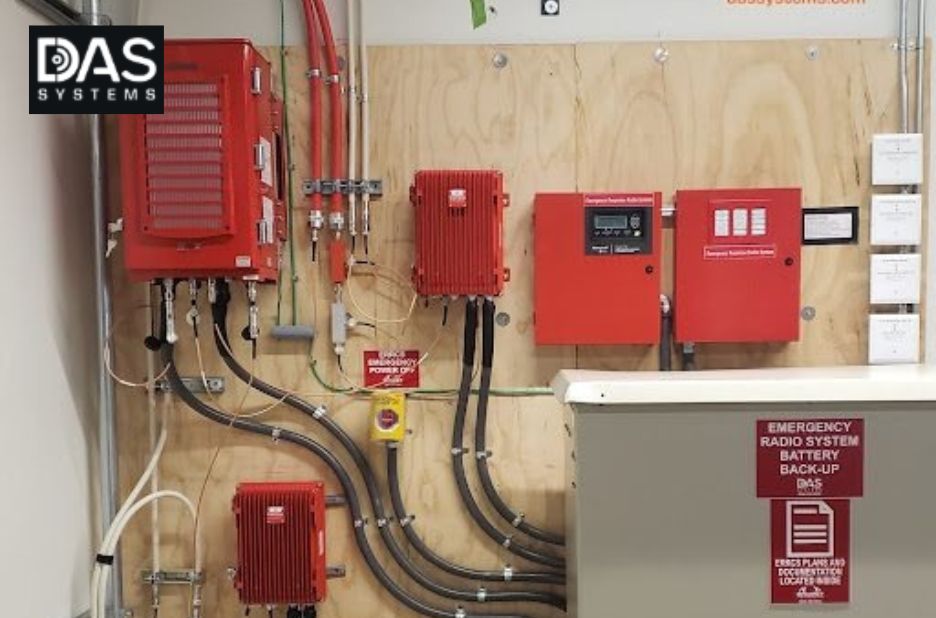
Overview of distributed antenna systems
DAS networks are essential for delivering reliable mobile coverage in dense urban environments. Implementations vary from simple repeater solutions to complex multi-site architectures that integrate with existing fibre backbones. When planning a deployment, it is important to assess building materials, occupancy patterns, and DAS systems San Francisco the anticipated load from popular apps. A practical approach focuses on scalable components, modular power, and efficient cabling routes that minimise disruption to tenants while maximising signal reach and quality across multiple floors and outdoor spaces.
Key planning considerations for city deployments
Strategic site surveys help determine optimal antenna placements, cable pathways, and zoning requirements. Thermal management, system redundancy, and maintenance access are critical to long term performance. Budgeting should account for commissioning, integration with public safety networks, DAS systems Los Angeles and ongoing monitoring. Stakeholders must collaborate on timelines to reduce downtime during rollout, ensuring tenants notice minimal interference while operators benefit from predictable operation and measurable improvements in service continuity.
Performance factors for DAS systems in busy corridors
Signal degradation is often intensified in high footfall areas and near glass façades. A well designed system uses multiple input/output points to balance loads and conserve power, while maintaining consistent coverage for voice and data. Real time analytics help engineers fine tune the network after installation, and provide alerts when a component drifts from its target performance. In practice, this reduces dead zones and improves overall user experience during peak times.
Risks and mitigation strategies
Possible challenges include interference from neighbouring networks, complex building geometries, and maintenance gaps. Proactive mitigation involves spectrum stewardship, tamper-evident hardware, and documented change control procedures. Regular health checks, firmware updates, and spare parts inventories are essential to prevent outages and ensure rapid recovery when issues arise. A disciplined risk management plan adds resilience without compromising coverage goals.
Conclusion
Effective urban DAS deployments require careful coordination among building owners, carriers, and engineers, with a clear focus on reliability and scalability. While every project has unique constraints, following best practices for site surveys, modular design, and proactive maintenance yields consistent results. DAS Systems Inc