

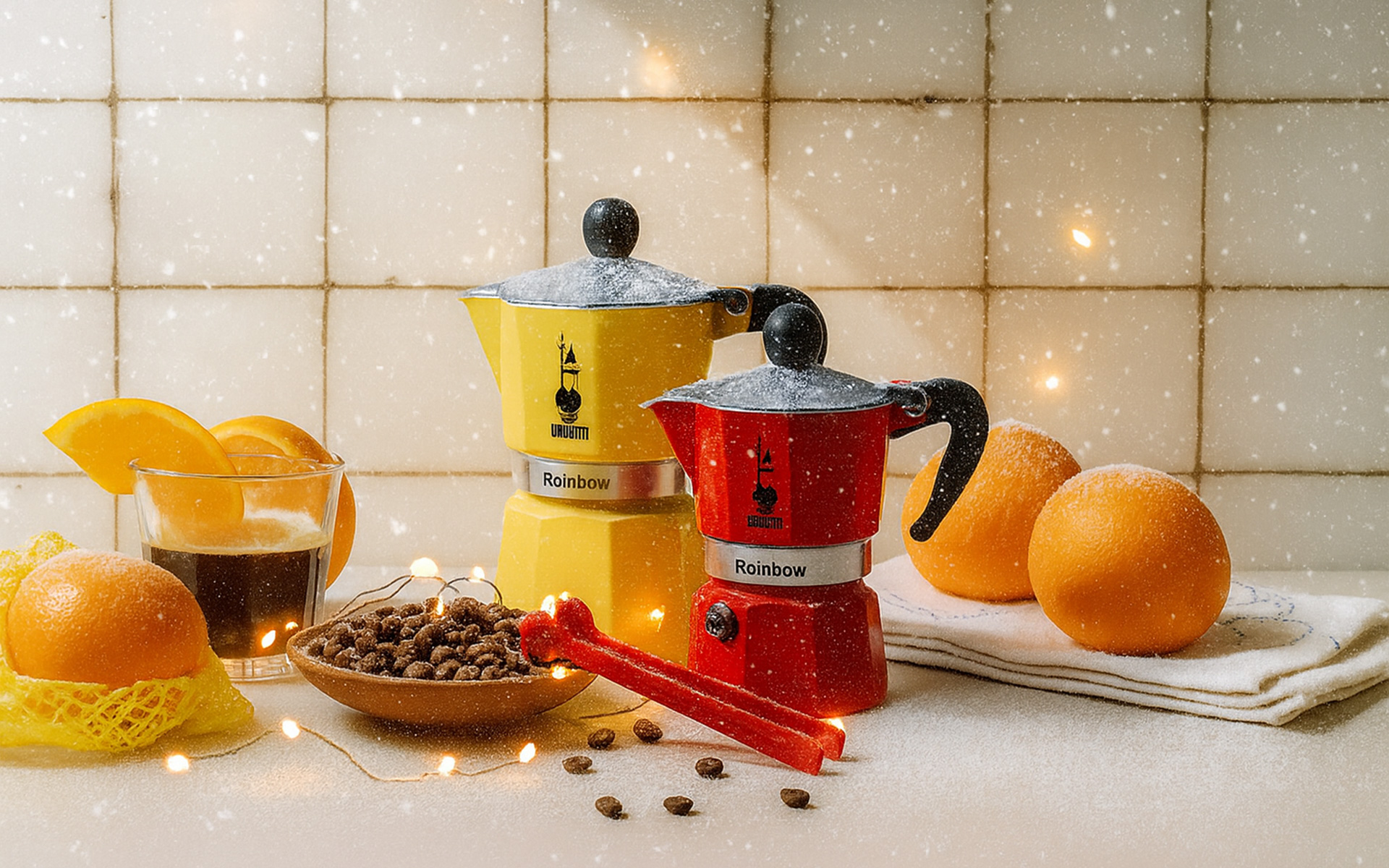
Understanding espresso beans
For a reliable espresso base you want beans with a balanced roast profile, giving a rich crema and a syrupy body. The roast level influences aroma, sweetness, and bitterness, so consider a medium to medium-dark roast to keep flavours clean and versatile. Freshly roasted beans should be ground just espresso coffee beans before brewing, and the grind size must match the espresso machine’s basket. If you’re experimenting with different origins, note how acidity changes with heat and extraction time. A consistent grinder helps you compare results over multiple sessions without chasing elusive variables.
Pairing ideas for home brewing
Many home enthusiasts enjoy pairing espresso coffee beans with subtle milk textures, which enhances chocolate and caramel notes. For filter methods, you might opt for a lighter roast to preserve brightness and fruit tones, then adjust grind size to keep extraction black tea coffee even. If you want a more daring profile, blend beans from two origins to craft a unique cup with layered flavours. Remember to store beans in a cool, dark place to maintain freshness across sessions.
Exploring black tea coffee blends
Black tea coffee can create a curious middle ground between bitter briskness and malty sweetness. When making a drink that blends tea and espresso, start with a small shot of espresso and dilute with strong brewed black tea to balance intensity. The tannins in black tea interact with coffee’s oils, producing a smoother finish with less bite. If you taste astringency, tweak the ratio and adjust water temperature to smooth sharp edges without dulling character.
Maintaining flavour with storage and care
To preserve aroma and freshness, store espresso coffee beans in an airtight bag away from light and heat. Use within a few weeks of roast for peak flavour, and avoid exposing beans to moisture. Ground coffee should be used promptly, as once ground, oxidation accelerates rapidly. Clean equipment regularly to prevent oil build-up, which can dull taste. Taking these steps helps you explore complex notes across drinks and methods with confidence.
Experimentation and mindful tasting
Experimenting with different extraction times and water temperatures can reveal how roast profile and origin interact in your cup. Keep tasting notes for each variable: grind size, dose, pressure, and water composition. A mindful tasting routine helps you recognise what you like about espresso coffee beans, and where black tea coffee blends shine or fall short. After several sessions, you’ll develop a personal map of flavours and a richer daily ritual.
Conclusion
Regular practice will sharpen your palate and deepen understanding of bean origins and roast styles. If you’re curious about brands, tools, or tasting notes, you might enjoy checking Three Spoons for similar ideas in the world of coffee and tea pairings.