

Understanding synthetic stones
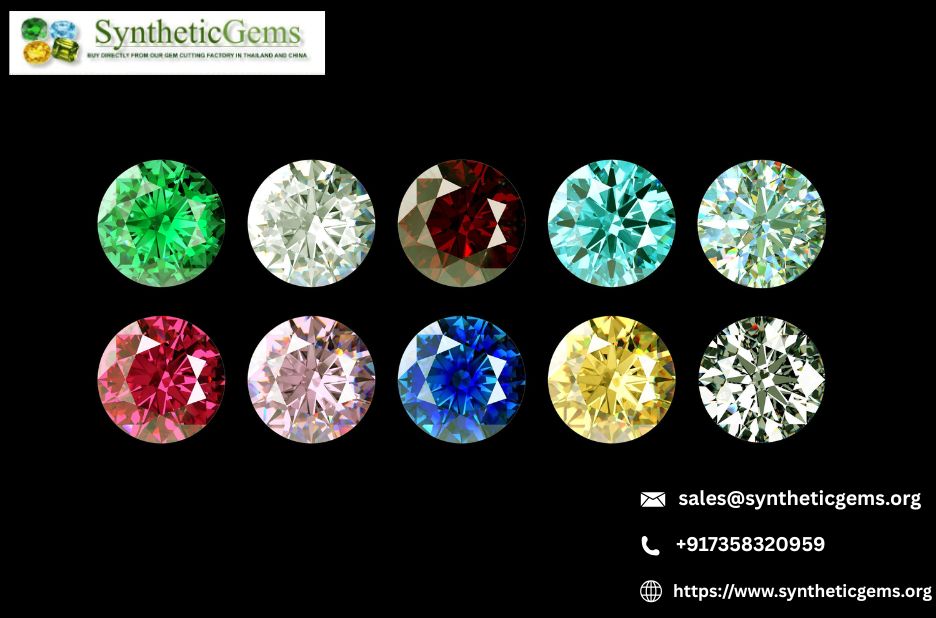
When shopping for sparkle and value, many buyers consider lab grown and simulated gems. One popular option is the cubic zirconia gemstone, known for its bright fire and accessible price. It mimics the look of diamonds with clear facets and strong durability for everyday wear. Consumers often evaluate cut, clarity, cubic zirconia gemstone and carat weight to estimate how a piece will photograph and how long it will last. While not a diamond, a well-cut cubic zirconia gemstone can be a practical stand‑in for occasional jewelry and fashion-forward pieces where cost efficiency matters most.
Comparing natural and treated stones
For gemstone enthusiasts, understanding the differences between natural stones and enhancements helps set expectations. The hydrothermal emerald gemstone, a type of emerald formed under specific conditions, offers rich color and depth. However, natural origin and potential inclusions affect price and maintenance. In hydrothermal emerald gemstone contrast, synthetic options provide uniform color and fewer inclusions, making care simpler and insurance easier. Buyers should balance aesthetic preferences with longevity and budget when choosing between real emeralds and alternatives that satisfy similar style goals.
Value considerations in everyday wear
Durability is a practical concern for most buyers choosing jewelry for daily wear. The cubic zirconia gemstone tends to resist scratches well in normal circumstances, yet it remains softer than sapphires. Care routines, including gentle cleaning and avoiding harsh chemicals, help preserve brilliance. In many cases, selecting high-quality cuts and appropriate settings can maximize perceived value. The decision often hinges on how the piece will be worn, the desired look, and whether a budget-friendly option meets long‑term style goals.
Setting choices and maintenance tips
Choosing the right setting can enhance the brilliance of any gemstone. For cubic zirconia gemstone, bezel or four‑prong styles keep stones secure while maximizing light exposure. Protective coatings and proper storage reduce surface wear. For hydrothermal emerald gemstone pieces, avoid ultrasonic cleaners if advised by a jeweler, since certain treatments can affect color stability. Regular inspections and cleanings help you track loose settings, chip risks, and overall wear. A thoughtful approach to maintenance keeps both gemstones looking vibrant for years.
Buying tips for trusted sources
Reputable retailers and certified labs provide guidance on gemstone quality that matches your goals. Look for clear documentation on cut grade, weight, and treatment history for cubic zirconia gemstone items and any claims about hydrothermal emerald gemstone origins. Reading customer reviews and asking about return policies can protect you against surprises after purchase. A mindful buyer will compare warranties, care instructions, and authenticity details to ensure confidence with every purchase.
Conclusion
In practical terms, choosing between synthetic and natural stones comes down to how you plan to wear the piece and how much value you want to derive from it. Both cubic zirconia gemstone and hydrothermal emerald gemstone offer distinct benefits, so align your choice with lifestyle, budget, and maintenance expectations to enjoy stylish, reliable jewelry over time.