

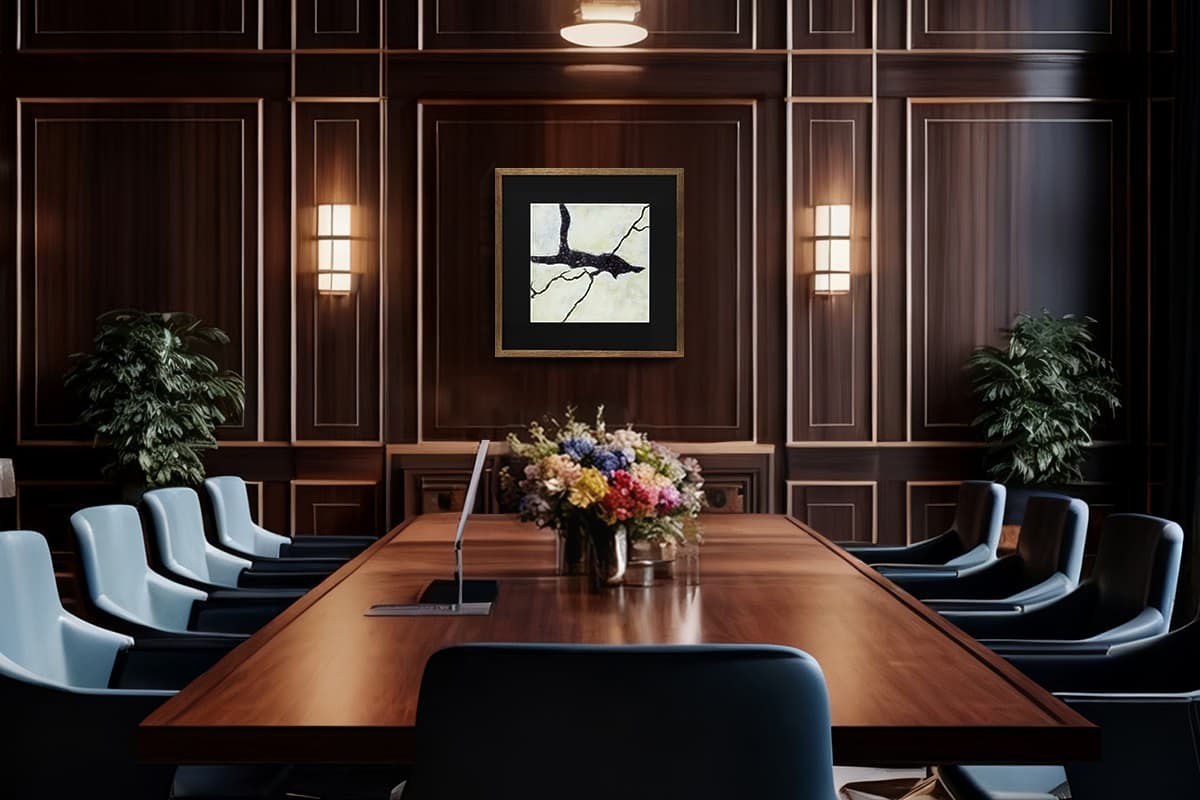
Intro to ambient decor
Creating a welcoming atmosphere in guest spaces begins with carefully selected decor that speaks to guests without shouting for attention. Thoughtful wall art can set a calm tone in lobbies, corridors, and dining areas, helping visitors feel at ease from the moment they step through the door. The right pieces blend colour, scale, and hotel and hospitality wall art subject matter to complement architectural details and lighting, while avoiding visual clutter. When planning this aspect of a property, consider local influences, seasons, and the practical needs of frequent cleaning and maintenance. Subtle textures and quiet imagery often outperform bold, busy designs in high-traffic areas.
Choosing pieces for different zones
Lobby galleries benefit from larger statements that invite conversation but don’t overwhelm the reception desk. Corridors gain from slender, repeatable motifs that create rhythm and reduce fatigue for long walks. Guest rooms respond to comforting themes and cohesive palettes that promote rest and a sense of personal space. Restaurants and bars thrive on art that energises conversation without dominating tables. In every area, a curated mix of prints, canvases, and perhaps mixed media can provide depth while remaining practical for everyday use.
Material, framing, and upkeep
Durability matters just as much as aesthetics in commercial environments. Choose prints on durable substrates with UV-resistant inks to minimise fading from natural light. Framing should be sturdy yet unobtrusive, allowing the artwork to shine rather than shout for attention. Consider anti-glare surfaces and easy-to-clean finishes for regions prone to humidity or splashes. Proper mounting hardware and spaced installation help maintain a balanced, professional look that stands the test of time for busy hotel and hospitality settings.
Local themes and unique touches
Art that nods to local culture or landmark features can ground a property in its place, making guests feel connected to the destination. A cohesive collection that references coastlines, cityscapes, or nature scenes can unify different spaces within a building. It is wise to involve a curator or designer who understands scale, sequence, and lighting, ensuring that the sequence of pieces tells a story rather than presenting unrelated images. Subtle variations in frame style can add interest without creating visual chaos.
Practical considerations for procurement
Develop a procurement plan that aligns with brand standards and budget constraints. Audit existing artwork to identify gaps and redundancies, and set a rotation schedule for seasonal updates to keep spaces fresh without frequent full overhauls. Work with reputable suppliers who offer warranty on prints and frames, clear care instructions, and reliable delivery timelines. A well-managed art programme should include installation guidelines and a simple maintenance routine to keep gallery spaces pristine for guests and staff alike.
Conclusion
For those enhancing guest areas with art, a balanced approach that respects space, lighting, and function yields the best results. When in doubt, test a small selection before committing to a broader install, and seek recommendations from designers who specialise in hospitality environments. Visit ADS Enterprise Ltd. for more insights into practical art solutions that suit busy hotel and hospitality settings.